
91% of affluent Black people experience racism in luxury stores. Over half never return to the store. In Brazil, 56% of its population has Black skin. 37% of the upper class is black. Growth without Black consumers is impossible. So L’Oréal Luxe, the luxury division of the L’Oréal Groupe in Brazil and MOVER (Movement for Racial Equity), acted where the Brazilian consumer protection code is silent.
They launched the Code for the Defense and Inclusion of Black Consumers, a project conceived by Beta Collective.
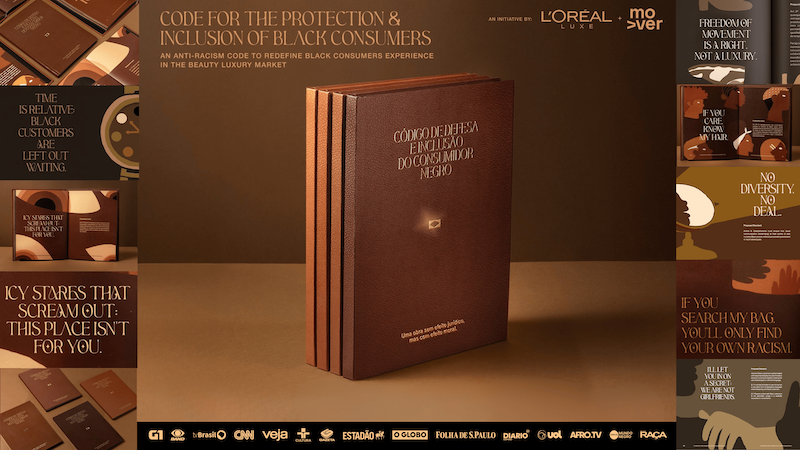
The long-term project, part of Afroluxe, L’Oréal Luxe’s long-term program to confront racism in the Brazilian luxury market, responds directly to the findings of the research, Racism in the Luxury Beauty Retail Market, commissioned by L’Oréal Groupe in 2024, which identified 21 racist practices experienced by Black consumers throughout the shopping journey.
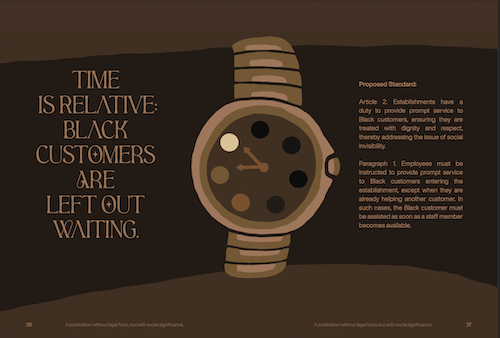
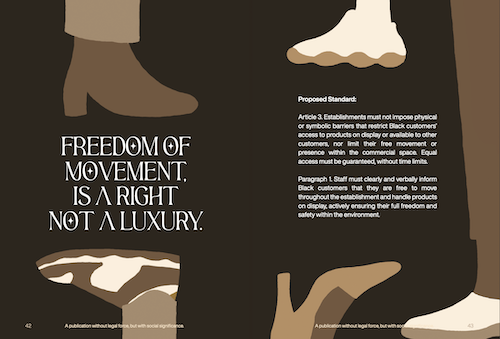
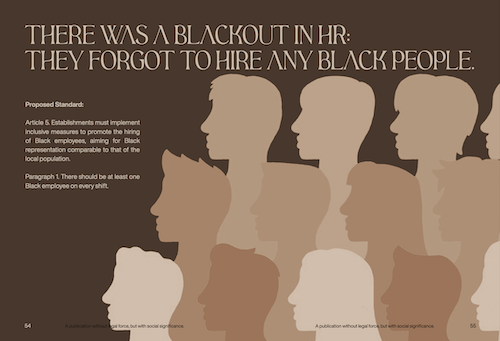
Even without the force of law, the new Code presents a set of 10 self-regulatory norms with strong ethical and symbolic value. These rules aim to address racism in its most subtle and structural forms and call on the luxury market to promote effective and concrete changes by questioning practices historically normalized within the sector. And by partnering with 12 luxury retail chains, and onboarding major, globally known retailers outside the beauty industry, the project established 10 new industry standards, creating a systemic barrier against discrimination. The “branded policy” has already trained thousands of employees across the country.
“Our objective with the launch of the Code is to generate reflection and, above all, action. As leaders in the global beauty industry, we want to inspire by example so that the Code can be adopted as an internal protocol by other companies, just as we are doing, as an act of anti-racist self-regulation. It is not necessary for these norms to become law or to have legal validity in order to be implemented. These measures are within reach of any company that wishes to be intentional in the fight against racist practices. This Code is a tool of legitimate defence for a population that has been historically excluded and is born with the purpose that, at some point, no longer be necessary,” stated Bianca Ferreira, head of communication and diversity, equity and inclusion at L’Oréal Luxe Brazil.
Beta Collective led the strategic development of the project from its origin, structuring the concept, narrative and art direction of the initiative. The agency translated the legal content into a powerful, accessible and thought-provoking editorial work, expanding the reach of the message and strengthening the Code’s cultural impact.
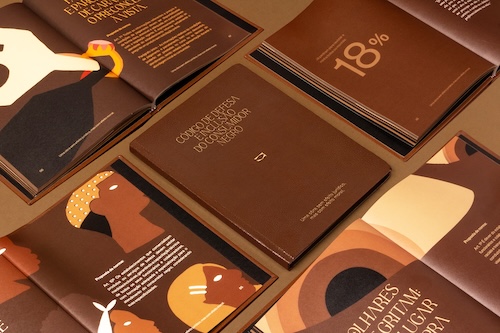
The Code for the Defense and Inclusion of Black Consumers has already received award recognition for its social relevance, impact and creative excellence from The Brazilian Creative Club and El Ojo de Iberoamérica, and is shortlisted at the ANDY Awards LATAM.
The Code was developed in collaboration with Black Sisters in Law, an initiative dedicated to connecting and strengthening Black women lawyers in Brazil and abroad. It is grounded in a critical analysis of the Brazilian Consumer Defense Code (Law No. 8,078/1990), a federal law that establishes consumer rights and regulates commercial relations in Brazil, and key provisions of the 1988 Federal Constitution, expanding their interpretation through an Afrocentric lens.
“Contributing to the construction of the Code for the Defense and Inclusion of Black Consumers was a unique opportunity to unite my experience as a jurist with my lived experience as a Black woman who faces racism constantly,” stated Dione Assis, founder of Black Sisters in Law. “The Consumer Defense Code (CDC) was created to regulate consumer relations on an equal basis and, although it provides for non-discriminatory treatment, it does not encompass all possible manifestations of racism. Revisiting the CDC through an Afrocentric perspective broadens its interpretation and strengthens protection for the Black population.”
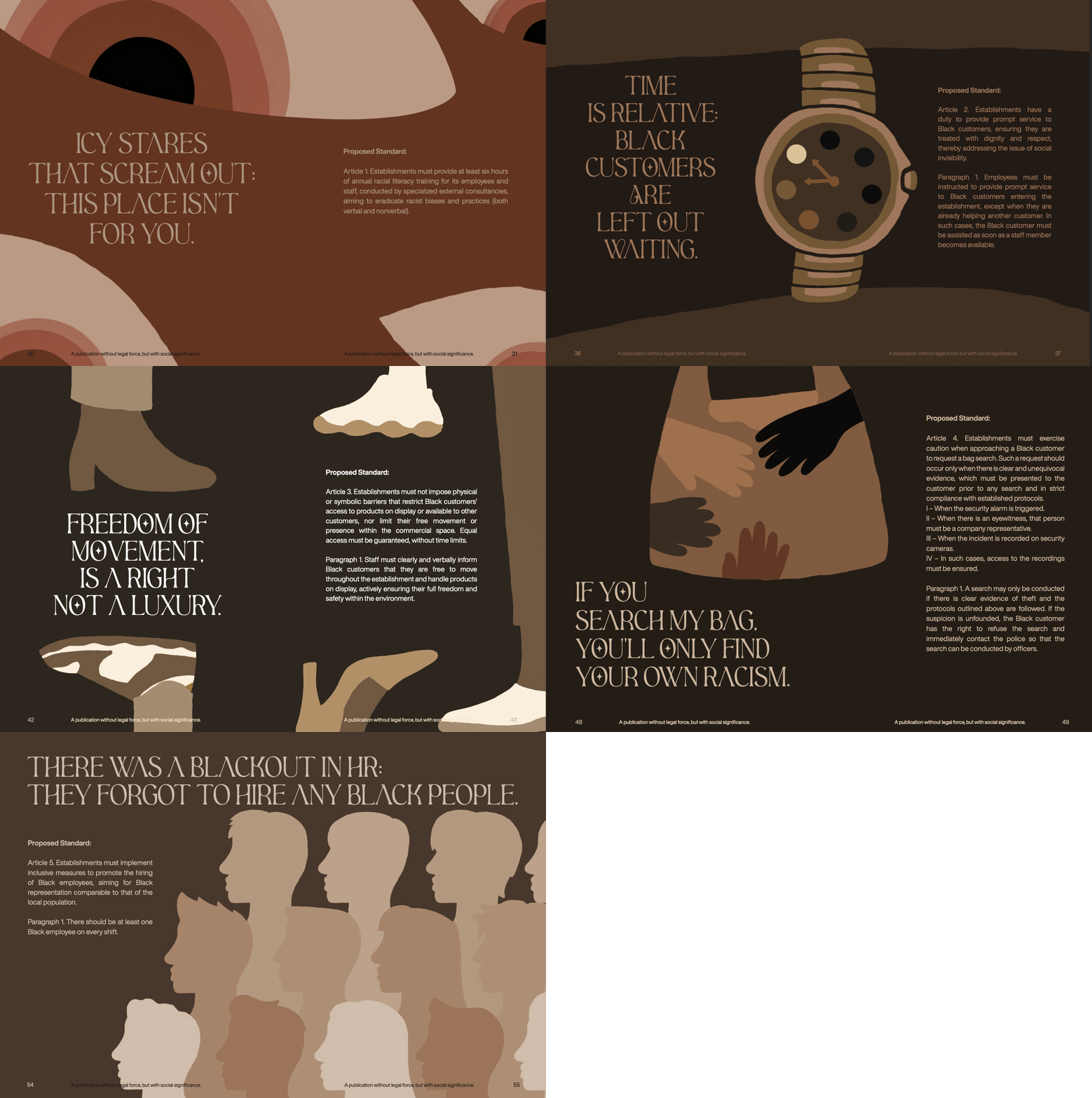
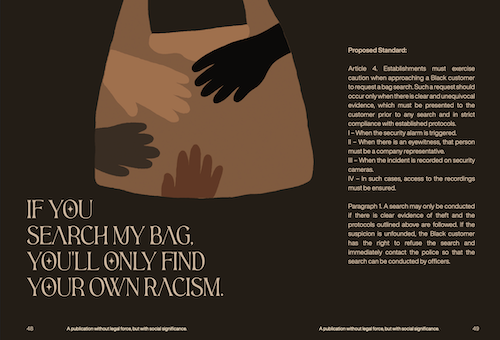
Among the proposed standards are guidelines such as mandatory anti-racism training, prompt service, guaranteed free access and circulation for Black consumers in retail spaces, and clear protocols for searches or approaches, which must occur only when supported by unequivocal evidence. The Code also establishes specific rules for the beauty and personal care sector, including the requirement of adequate product availability to meet the specific needs of Black consumers, such as skin tones and hair types.
The full project includes training 250 L’Oréal Luxe Beauty Advisors with new service protocols, audited through the Black Mystery Shopper program, providing technical makeup training focused on Black skin, co-created with experts in this segment, expanding Black creator representation in L’Oréal Groupe campaigns and broadening Lancôme’s foundation portfolio so that, in Brazil, Teint Idôle Ultra Wear now offers 56% of its shade range dedicated to Black skin tones.
“The Code is also an invitation for other companies to join thetransformation and assume a leading role in driving change,” statedcEduardo Paiva, director of diversity, equity and inclusion at the L’Oréal Groupe in Brazil.
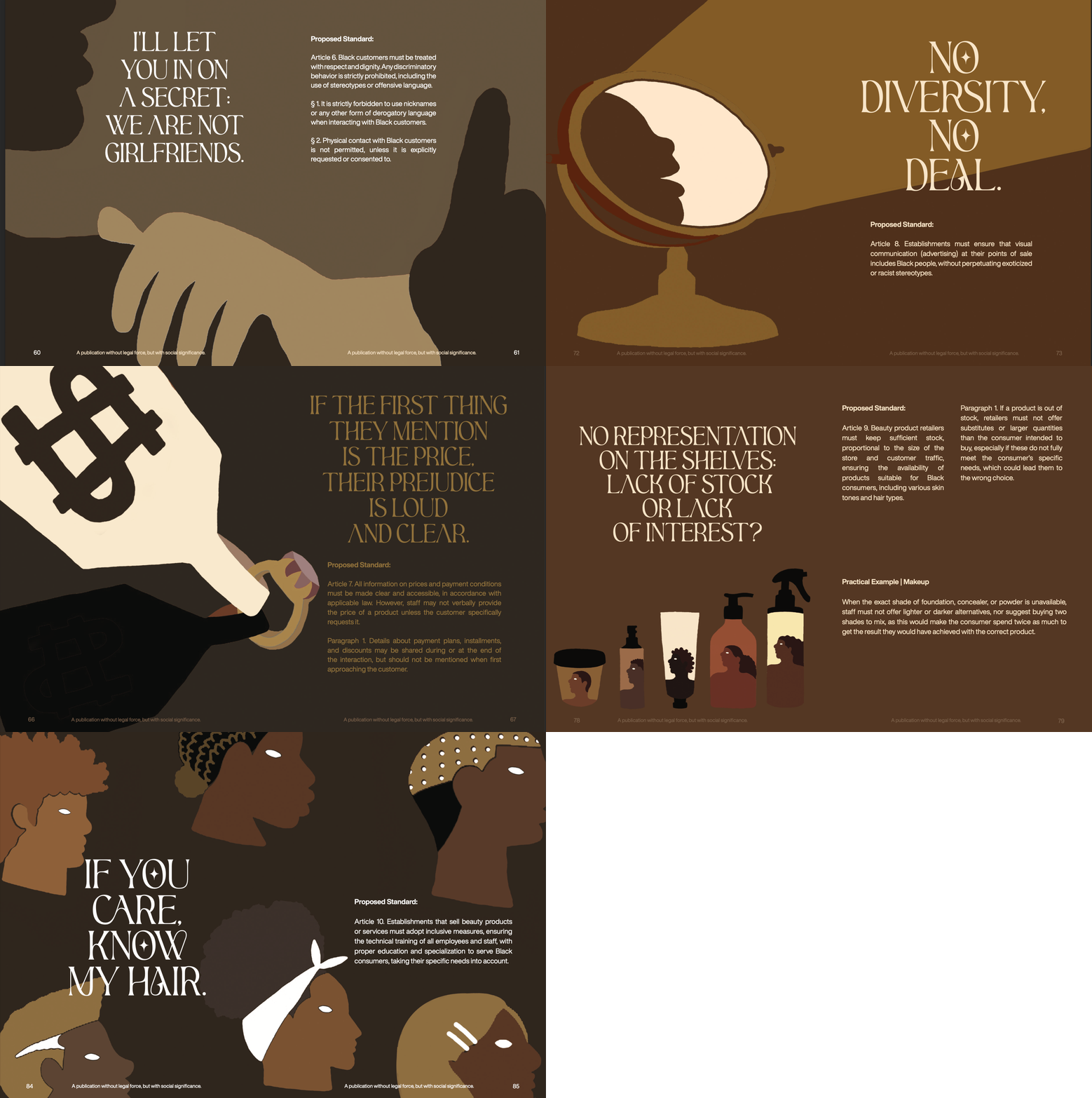
The Code publication features illustrations by Mulambö, a Brazilian Black artist whose work explores racism and social inequality in Brazilian society. “The idea that inspired and guided all the creations was the understanding that we, black people, our bodies, our desires and our histories, no longer fit within the violence we experience in so many environments,” Mulambö commented. “The artworks combine protest, affirmation and intentionality. Giving visual life to the Code through my art contributes to a future in which new generations of Black people do not have to face the same racism. Over 2,000 copies of the Code have already been distributed to opinion leaders, business executives, CEOs of MOVER member companies, legal professionals, creators, celebrities and universities across Brazil, expanding the debate on anti-racist practices in consumer relations.
Credits
Agency: Beta Collective
Creative Directors: Guilherme Cruz & Bernardo Tavares
Art Directors: Guilherme Cruz & Marcelo Monzillo
Copywriter: Thassio Reis & Bernardo Tavares
Graphic Design: Guilherme Cruz, Marcelo Monzillo & Vitória Melissa
Content: Black Sisters in Law, Estúdio Nina, MOVER, Thassio Reis, Bianca Ferreira, Eduardo Paiva, Cirleide Bonfim, Dione Assis, Gláucia Morais
Illustration: Mulambö
Proofreading: Lua Onawale & Nazaré Mota de Lima
Graphic Production: Produceria
Producer: Sid Fernandes
Client: L’Oréal Luxe
Client Team: Bianca Ferreira, Eduardo Paiva, Cândida Andrade, Andrezza Buzzani, Yan Gomes & Sandra Gebara