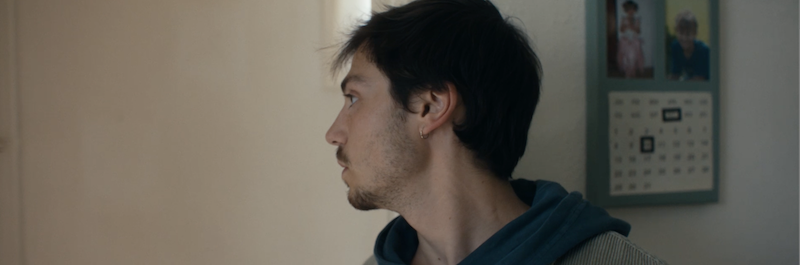

It’s fair to say that This Is Footy Country, The Monkeys’ new film for Telstra has captured the heart of Australia and warmed a lot of Aussie hearts in the process. And the campaign extends beyond the film. Photographer, Cory White, travelled across three Australian states to capture the spirit of country football for the out of home and print executions. It was a huge job. The first wave of OOH has launched that is just the tip of the iceberg. A vast collection of intimate and personal imagery is yet to come.
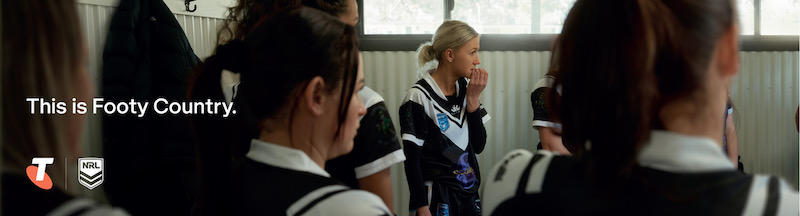
“As someone who has drifted in and out of football over the years , this commission pulled me right back in. Not only was I able to reconnect with footy at a deeper level being in the local communities, I had a chance to work organically within clubs and, at times in folks homes, making pictures in the same way I approach my personal practice,” White commented. “Football can be a great leveller, a really great conversation starter and a social conduit.”
The Stable: It was a mammoth undertaking
Cory White: Yes. We went into pre-production for about a month prior researching clubs, both league and Aussie rules and had to plan a route that would take us to the right clubs on the right days, including training and game days. The shoot itself was about 10-14 days all up. We didn’t have an endless time schedule, so it had to be compacted and cleverly produced to hit the requirements of both men’s and women’s country footy clubs for both codes. The other issue was getting to towns with hundreds of kilometres between them and coordinating home visits too.
We shot very organically but didn’t overshoot. I’ve learned over many years making work that you “call it when you have it in the bag” very quickly when photographing folks who don’t perform for a day job. It’s all about getting in and out with minimal fuss and using a very fly on the wall approach. The first batch of OOH makes up about 5% of the final suite that may become a vastly bigger project.

TS: What were the challenges of the job?
CW: The job was challenging in that there were no strict parameters, so essentially I had an open brief to make my own work. That’s a poison chalice sometimes, as the stress and anxiety of wondering if you are headed in the right direction can often be overwhelming when you’re on the road, although I had a direct line to the creatives to share screenshots as we went and we could steer the ship together. Having a working relationship with the creatives prior to the project obviously helps. For the most part I received “keep doing what you’re doing” feedback.
TS: Tell me about working with some of the country people?
CW: There are so many sweeping generalisations about country and city folk. Were are kind of all the same though, right? And footy is a great leveller. Very egalitarian, so that helps. To be honest, I find country folks a little more in touch with their immediate community and this was very helpful when you are producing a story on the road, on the fly to a degree. This rapport that you need you to build very quickly is often so easy with country communities. They really take you in and want to help. They wanted to see their teams up in lights on billboards and it was really rewarding to be able to do that for teams and clubs that often can’t even afford to field a side. We had a few really wonderful people go well and truly above to make our shoot possible. And it is super rewarding when I get a text from someone I met sending me a picture of a billboard of their team and how stoked they all are about being featured.

TS: What did you learn or what struck you most about football country (or country football)?
CW: It’s not that I haven’t spent time around country football clubs before, but I did get reminded of the beauty of solidarity and club loyalty in the country. I saw guys and gals take the field who had no intention on the day of doing anything other than watching, then to strap on the boots and go into full contact battle. They make them tough in the country, that’s for sure. But the bigger picture is how folks are willing to give, rather than take in the country. They care about each other’s wellbeing. They want to win and they want the town to watch them win. The spirit of a town can hinge on the club’s success and that is what makes country footy so great.
“After chatting to the locals at length and witnessing the country footy spirit, it’s hard to imagine a better place to feel part of a community,” White adds. “At the end of the day, these clubs offer far more than a patch of grass to kick a football around. Clubs that often struggle to survive, even to field a side at times, are a second home to folks all around Australia. I am so thankful and appreciative of the hospitality and welcoming I got at all the clubs I visited. Building a rapport through photography with various coaches, players and volunteers warmed my heart and reiterated why I love my job so much.”