
New Zealand is buzzing with the launch of Volkswagen’s ID. Buzz Kombi van. It’s a terrible pun, but it highlights a wonderful campaign by DDB Aotearoa. 120,000 bees are touring New Zealand in an ID. Buzz c/o DDB Aotearoa and Volkswagen to help pollinate future flora.
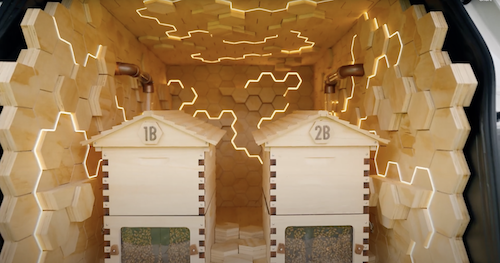
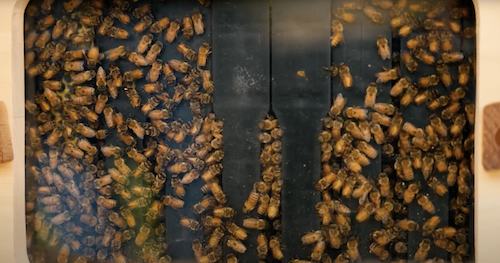
In an ID. Buzz (now known as Polly the Pollinator) transformed by a team of beekeepers and fabricators, The Flower Powered Pollination Tour is the world’s first mobile hive, within a fully climate controlled ‘beecosystem’. It carries two active colonies of honeybees, travelling from Auckland to Wellington, following the Honey Flow from north to south, and boosting the vital annual pollination that is responsible for strawberries, sorbets, pickles, plums…and almost every other facet of the ecosystem.
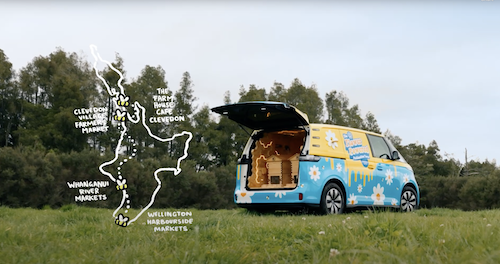
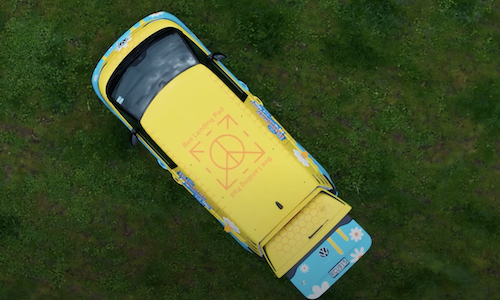
When Polly reaches a new location, two colour coded doorways on the side of the van open, allowing bees to come and go via a short tunnel. Bee welfare is at the heart of the project. Inside conditions are controlled through the standard infotainment system and monitored though the custom-built Hive Mind that monitors temperature, light and air quality inside the hives. Worker bees collect nectar by day and sleep in the hive by night. This means once the bees are at home and in bed, Polly can move silently with zero fumes to the next location, up to 382 km without charge. In the morning the bees can explore and map their new environment, pollinating new areas and creating a diversely blended honey that has never been made before.
Local beekeeper, James Green of Hidden Honey, who has spent the past eight years caring for honeybees alongside his two brothers, is leading the Volkswagen Pollination Tour.
The tour includes stops at farmers’ markets with wildflower seed giveaways, and educational moments that highlight how small actions, like planting bee-friendly blooms, can make a big impact for the bees and our planet. Much of New Zealand’s food production relies on pollination, yet as flowering habitats decline and land use changes, pollination rates are falling in parts of the country, putting pressure on both ecosystems and food production.
The full campaign also includes social content, community engagement, OOH and radio.