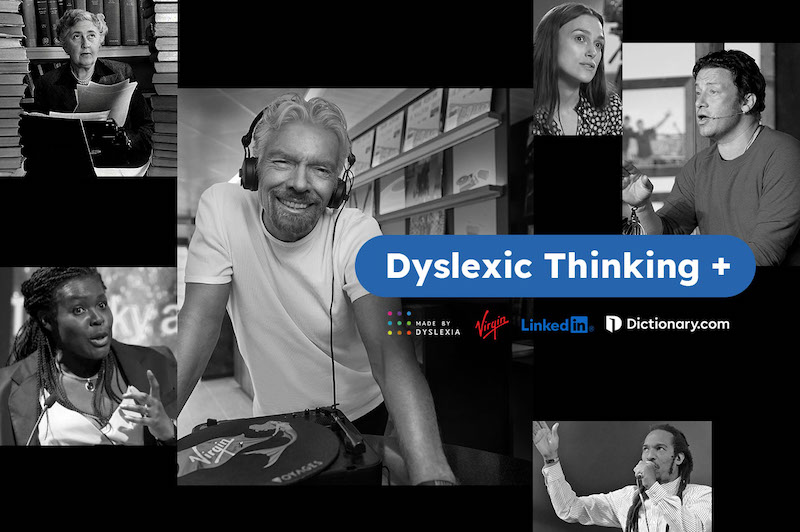
Sir Richard Branson has listed Dyslexic Thinking as a skill in his LinkedIn profile. He is calling on other LinkedIn members to follow suit. It’s part of a campaign by FCB Inferno, Virgin Group, and global charity, Made By Dyslexia, to create a better understanding of dyslexia.
“I’m thrilled LinkedIn has added Dyslexic Thinking to its recognised skills list. It’s significant because it recognises this unique way of thinking as a positive trait. Dyslexic thinking is a skill that can give you the edge at work: you’re likely to have strong problem-solving skills, a great imagination, and creative, big-picture thinking. I’m proud to be a dyslexic thinker and redefining Dyslexia as a skill gave me the freedom to pursue my dreams without barriers.”
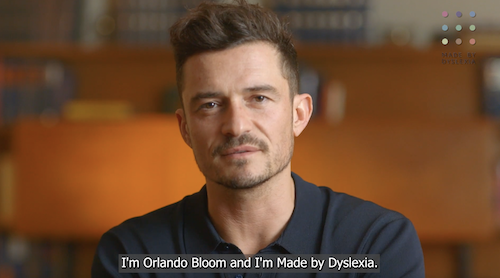
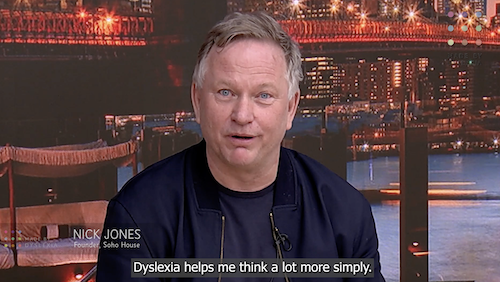
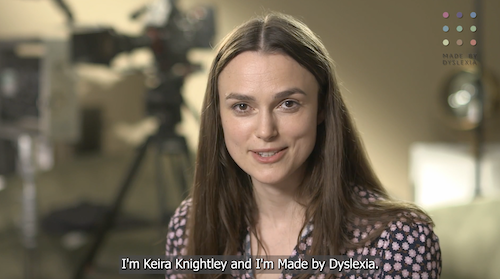
In the campaign video, high profile individuals such as Orlando Bloom and Keira Knightley; space scientist and science educator Maggie Aderin-Pocock; and Soho House founder, Nick Jones, reflect on the value of Dyslexic Thinking in their careers.
Dictionary.com has joined the movement. It’s in the process of adding Dyslexic Thinking as an official term. John Kelly, senior director of editorial, stated,“As evidenced by its addition as an official new skill on LinkedIn, the term Dyslexic Thinking—while long used within the dyslexia community—is fast spreading in the wider world. As it spreads, Dyslexic Thinking is giving powerful expression to how dyslexia, historically understood only in terms of deficits, can afford distinct, empowering, and transformative advantages. This shift in understanding is part of a broader trend in society in which we all are reevaluating—often in long-overdue ways—how we talk about cognitive diversity and the many people who are neurodiverse.”
The charity’s 2018 report, produced in partnership with EY, showed that Dyslexic Thinking skills exactly matched the skills needed for the future (as defined by the World Economic Forum). Now its latest report, The Dyslexic Dynamic report, produced with ManpowerGroup Talent Solutions tells that the pandemic has sped up the process of automation and Dyslexic Thinking is vital for the workplace of today.
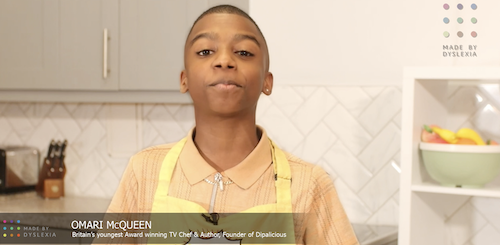
Made By Dyslexia founder, Kate Griggs, who is dyslexic herself, commented, “Our research has demonstrated that Dyslexic Thinking skills such as creativity, problem-solving, and leadership are vital to the 21st-century workplace, when we reach a 50/50 work split between machines and humans, as predicted for 2025 – the skills humans will need are Dyslexic Thinking skills. The world’s largest professional careers platform, LinkedIn, has recognised this. That’s why it has offered its 810+ million members the chance to add Dyslexic Thinking to their profile. This is a monumental milestone for dyslexics everywhere.
“LinkedIn and Dictionary.com’s recognition of Dyslexic Thinking will have huge impact on the way in which dyslexic individuals view their own unique way of thinking, and the value this brings to the world of work.”
Intelligence, cyber and security agency, GCHQ, already actively recruits dyslexic thinkers – who are four times more likely to land a place on their apprentice scheme than neurotypical minds. Companies like Facebook and EY Global value the in-demand skills dyslexics bring.
See the post driving the movement here.