Once upon a time, stereotypes were considered useful advertising tools. They were shorthand for aspects of culture that helped brands tell relatable stories in 30-seconds. But they are slow to change. And people want more from their brands now than fictions. As Shutterstock APAC vice president, Yvonne Januschka, notes consumers continue to hold brands accountable for failing to offer authentic representations and experiences. Keeping up with cultural shifts is not brave, it’s essential. One of the current essentials, she says, is embracing gender fluidity.
The importance of pioneering a gender-neutral future in advertising by Yvonne Januschka, vice president at Shutterstock APAC.
Advertising is pervasive in all aspects of our everyday lives and is highly influential in shaping gender norms, attitudes and behaviours. Accordingly, the media reinforces gendered ideas about the human condition, and what it means to be a male or a female.
Globally, 72% of consumers assert that advertising does not reflect the world around them. Yet, visual material has the power to influence how people both see themselves and others. Striking a chord with consumers is no longer about serving them images of perfection, but one that’s reflective of the world around them.
The concentration of gendered advertising is changing as modern consumers, particularly those in younger generations, are seeking brand experiences that are inclusive toward people of all gender identities without stereotypes.
Greater efforts have been made towards achieving diversity and equality in advertising material, despite being met with public backlash. However, unlike countries including Britain, Norway and France, Australian legislation does not regulate sexist advertising.
As a result, Ad Standards is the exclusive adjudicator of complaints about adverts which discriminate against or vilify a section of the community on account of gender. But things are changing. In 2019 Ad Standards dismissed 86% of all complaints, revealing a fundamental problem with the acumen of the regulatory system.
In some industries where products have been historically marketed based on gender, stereotypes are increasingly shunned and neutrality is embraced. Luxury names like Chanel and Gucci have made headway for their bold foray into gender-neutral advertising, featuring non-binary models and icons, including Harry Styles.
In contrast, products such as dish soap and cars are still targeted to consumers based on gender demographics, though brands have just become more subtle in their approach.
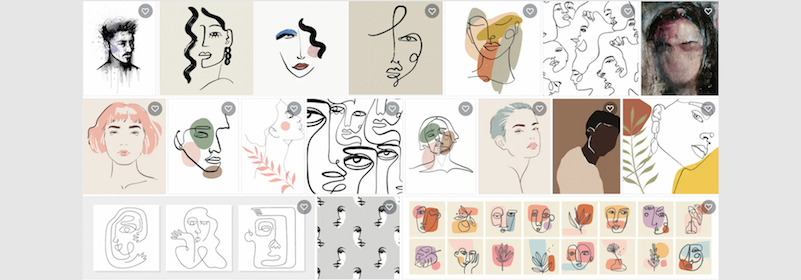
To reflect the contemporary shifts in culture, visual design of products, stores and packages are increasingly moving towards a more gender-neutral aesthetic. For example, The Ordinary and Aesop are pioneering androgynous aesthetics in their advertising material.
We’re in the middle of a powerful cultural movement, one in which people are beginning to embrace the fluidity of gender, and that the way we identify and express ourselves doesn’t have to strictly fall under masculine or feminine stereotypes. Consequently, consumers are holding brands accountable for failing to offer authentic representations and experiences.
It has never been more important for brands to take on the concept of gender neutrality and inclusivity. Learning and applying this means being fairer, but also exploring new lived experiences to transform advertising in order to improve consumers’ lives.
You might also like