Australian & Kiwi brands might think they are supporting the LGBTQ+ community but research from GLAAD and Getty Images shows that visual representation of the community remains low and stereotypical, in ANZ and globally.
Getty Images partnered with LGBTQ+ media advocacy organisation, GLAAD, with an aim to increase visibility while also challenging harmful, cliched visual stereotypes of the LGBTQ+ community. It follows results from Getty Images’ 2021 Visual GPS survey released in December, which demonstrated that in ANZ and globally, LGBTQ+ visual representation is less than supportive.
The survey also found that only one-fifth of Australian and New Zealand Visual GPS respondents stated seeing LGBTQ+ people represented regularly or frequently in visuals, and said that when they do, it is often narrow and stereotypical with:
- 30% of such visuals depict gay men as ‘feminine’
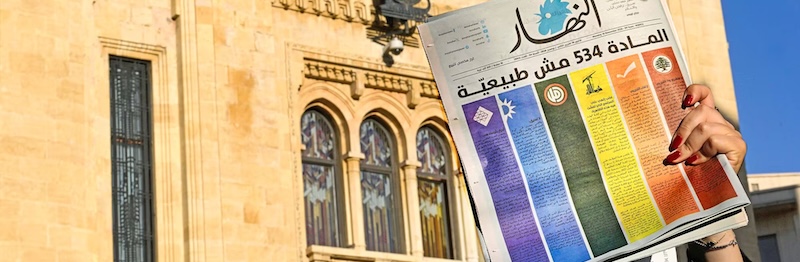
- 25% of such visuals depict LGBTQ+ people carrying the rainbow flag in some capacity
- 31% of such visuals depict lesbian women as ‘masculine’
- 36% of such visuals depict gay men as ‘flamboyant’
8 in 10 ANZ consumers say they expect brands to be consistently committed to diversity and inclusion. Only 4 in 10 feel accurately represented.
The research also shows that LGBTQ+ people in countries with less LGBTQ+ representation experience greater LGBTQ+ discrimination. GLAAD and Getty Images have launched an LGBTQ+ guidebook to support brands and businesses trying to be more inclusive in their visual choices.
“We know increased authentic representation positively impacts increased acceptance, however, our research has shown that ANZ media and businesses are misrepresenting the LGBTQ+ community by relying too heavily on stereotypical imagery,” stated Kate Rouke, head of creative insights Asia Pacific at Getty Images and iStock.
“Australian and New Zealand brands have a great opportunity to look beyond token opportunism, and create and use visuals that effectively reflect and speak to the LGBTQ+ community – without fear of backlash or to simply ‘tick a box’. “Brands that continue to use cliched visual stereotypes to minimise risk of offending the more conversative customers, will do more harm in the long run. Our society is constantly evolving and changing. Our recent research also revealed that for Australians and New Zealanders the top way they know a company is truly committed to diversity and inclusion is by “consistently showing a wide range of people, lifestyles, and cultures in their communications. Ignoring these cultural changes means they will lose out to their competitors in the long run.
“Our hope for the guidebook is to empower businesses to step up and depict the LGBTQ+ community in authentic and thoughtful ways, rather than relying on often overused stereotypes. This can be as simple as choosing visuals of real LGBTQ+ people in their daily lives such as walking a dog, going to school, at work, cooking, running errands, even grabbing a coffee or doing laundry. It’s all about normalising and broadening those visual stories if you truly want to speak and connect with not only the community but crucially to the wider Australian and New Zealand consumer.”
Getty Images’ LGBTQ+ Guidebook for Inclusive Visual Storytelling gives brands and businesses practical recommendations for confidently making more inclusive visual choices when depicting the broader LGBTQ+ community.
View a collection of images and videos curated with GLAAD and view the LGBTQ+ Guidebook here.
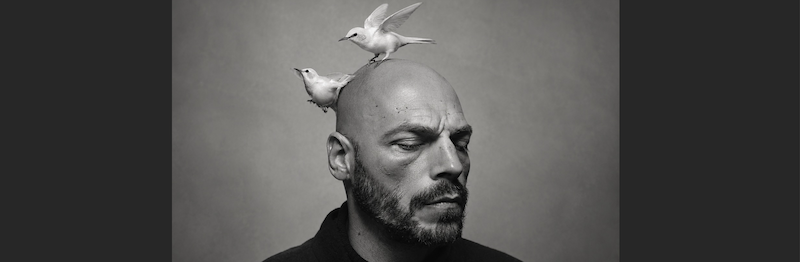
[Cover image: Jessie Casson/Getty Images]