It’s terrible to think that white Americans look on black Americans with derision or fear, but no country can point a finger. Australia has its own problem with entrenched bias against its Aboriginal population.
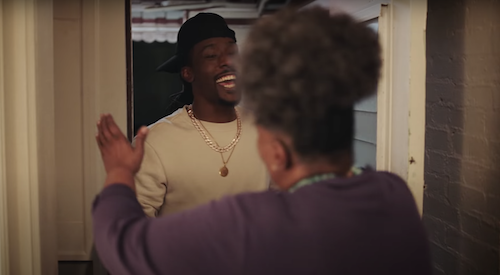
Procter & Gamble together with Grey and its Cartwright agency are hoping to remove some of the prejudice in America. Their film, Widen the Screen, asks viewers to reassess their assumptions about Black people and, ultimately, is a call to action to present a more balanced view of Black life beyond common stereotypes.
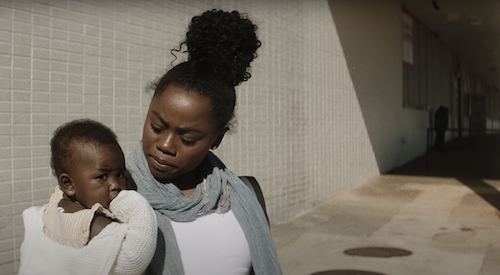
Widen The Screen, narrated by Academy Award-winning actor, Mahershala Ali, helps people to learn about how disparities in representation behind the camera lead to misrepresentation of people and communities that fuel bias in real life.
The film is part of Procter & Gamble’s major new initiative to challenge racial bias and racism on the screen. The full initiative includes an expanded content creation, talent development and partnership platform to support Black creators across the advertising, film and TV industry enabling them share the full Black experience.
The campaign website goes deeper into the story of how stereotypes persist.
“While we’ve made equality a top priority within P&G and worked with other companies to do the same, we recognize that is just not enough. We have to address the systemic inequalities that exist in our industry, and that’s why Widen The Screen is a critically important initiative, not just for P&G, but for the industry,” stated Marc Pritchard, chief brand officer, Procter & Gamble. “In stepping up and leveling the playing field for Black creators, we will enable change that will benefit all under-represented groups and result in higher quality, more relevant film, television and advertising content that deepens our appreciation of the richness of our society.”
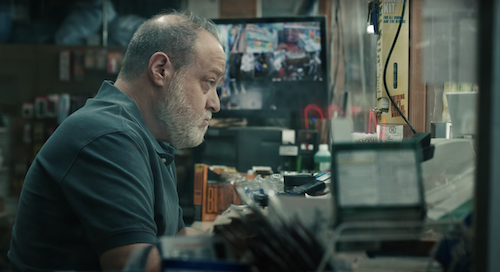
“It is my hope, through this campaign, to encourage image makers to reveal the fullness of who we are as Black people. We don’t have to be ‘exceptional’ to be respected and valued. Our humanity isn’t dependent upon us being doctors, lawyers, engineers, or famous,” added Kevin Wilson, Jr., director, Widen the Screen. “Yes, we are those things, but we also take up many spaces in this world and the love we share should be depicted as well. We are more than the brutality we often see in our depictions in television and film. We are the joy we experience with loved ones and the passion we have for one another.”
This work from Grey follows in the footsteps of The Choice about the responsibility of white people to take action against systemic racism and The Pause, the moment of apprehension an LGBTQ+ person feels during an introduction while deciding how much of themselves to reveal.