Towards the end of 2012, Bram Williams and Stuart Archibald decided to update how an advertising agency works. Archibald Williams is the result. This creative collective coined a new term to describe itself – strategic compound. Having a clear USP may well have been its first great strategy.
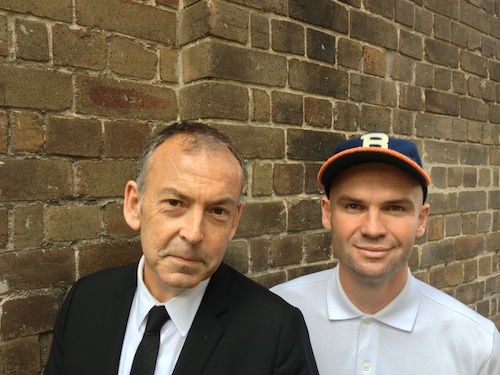 Stuart Archibald & Bram William
TS: “Strategy drives successful businesses, brands and communication” Why?
BRAM WILLIAMS: Strategy unto itself is no guarantee of success – but without a great plan you’re basically just hoping to get lucky – and in a highly competitive world filled with unforgiving, hard-to-impress people that’s a pretty risky play.
TS: Where did the idea for Archibald Williams come from?
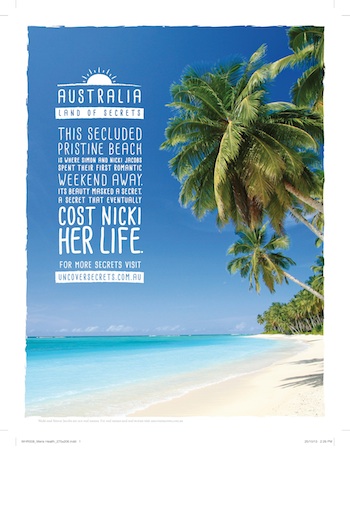
BW: Stu’s a Digital, Data, Direct strategy guy, and I’m a Brand Planner – two planning archetypes that don’t usually start an agency together. When we joined forces in New York during the height of the GFC we became something of The Goodies of advertising – you know “We do anything, anytime, anywhere.” Our bigger-picture problem-solving approach meant we wound up working in everything from NPD to DRTV and every acronym in between. And for the record he’d be Tim Brooke Taylor, and I’d be more your hybrid of Graeme Garden and Bill Oddie.
TS: Was it always your intention to give AW a strong sense of self?
BW: Yes, but that sense of self comes from us, the way we think and approach this business. That’s why we didn’t call the agency something randomly rad like Ginger Beerd.
TS: Why a creative collective?
BW: We don’t want to solve a problem based on a fixed orientation of our creative product. And while we’ve got great creative thinkers across the major disciplines in-house, we’ve also got years’ worth of close creative allies doing all manner of things in Sydney, Melbourne, London and New York.
TS: AW has a USP. How important do you think it is for brands to have a USP?
BW: In what has become basically an open world market brands are competing across borders and across categories for attention and dollars. A USP is harder to find than ever – but that’s no excuse for not trying to offer something unique. At the very least a better version of something else that’s good.
TS: Clients like facts and figures and are wary of ideas/creativity? Does a strategic plan help you to sell more creative ideas or formulate more creative ideas?
BW: Great clients work both left and right brain. A strong plan saves everyone time and makes it easier for us to generate ideas, sell ideas and then sell brands and products to people.
TS: Do your clients come to you for the strategy or the pitch you did?
BW: We don’t mind how clients come to us. Of course we love working up something from scratch that translates into a campaign that runs. But we also like working in partnership with clients on their plans. And if they’ve already got the basis of a good strategy I’d like to think we can help make it great.
TS: Give me two AW examples of the work that sets you apart.
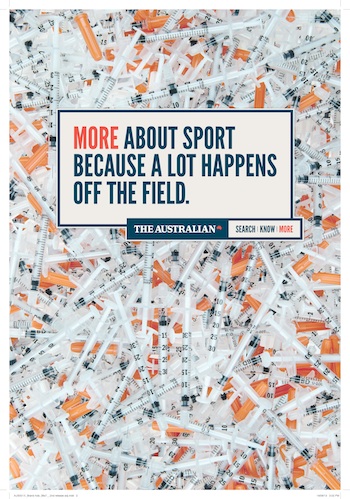
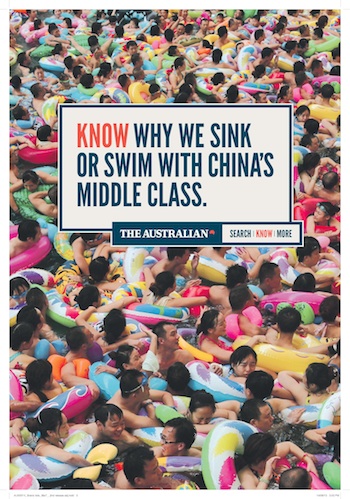
BW: We worked very closely with our clients at News Corp to develop the re-appraisal strategy for The Australian, the centrepiece of which involved embracing a ‘new’ target audience – younger, modern media consumers. This required a significant re-think from all stakeholders in the business – and a major re-engineering of all communication in all media, from brand, through customer acquisition and retention. That took some doing.
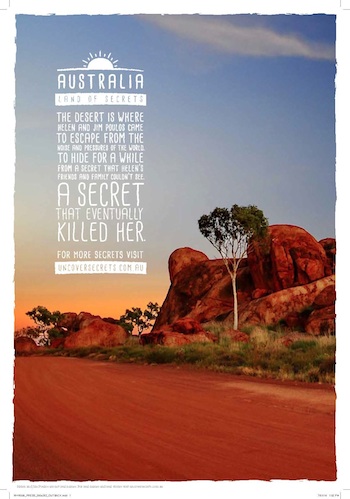
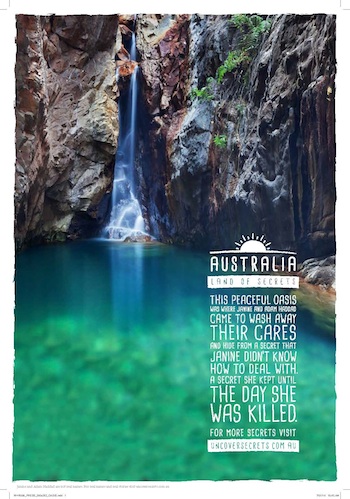
White Ribbon, the campaign to prevent violence against women, faces many strategic challenges, but we focussed on two of the most critical: elevating the importance of the issue and fundraising opportunity. The first we addressed through a single-minded message: that in Australia more than one woman a week dies from domestic violence or abuse. The second by ‘doubling’ the business opportunity; adding White Ribbon Night in July to White Ribbon Day in November.
TS: Is it more important for a brand to be useful, desirable or clever?
BW: I think that’s the order I’d rank them in. Truly useful things can be made desirable. Failing that, at least they’re still useful. Clever can be great – if clever has a point.
TS: Which media do you tend to favour and why?
BW: Outdoor. I love its relationship to the environment. I love simple, beautifully executed posters. I love discovering new campaigns when I’m out and about.
TS: What would your now selves say to your starting out selves?
BW: I’m not entirely sure. I think luckily our now selves and our starting out selves are pretty much the same selves. There’s probably not much that we would have done differently.
TS: Where do you want to be this time next year?
BW: Doing our best and enjoying what we do.
TS: WHAT QUESTION DID I FORGET TO ASK?
BW: Q. Will the Eels make the 8?
A. No