
France’s Fondation des Hôpitaux is an association that works with hospitals and retirement centers to help improve the everyday lives of patients, their families, and caregivers.
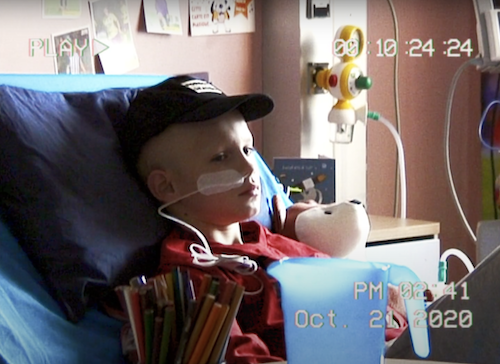
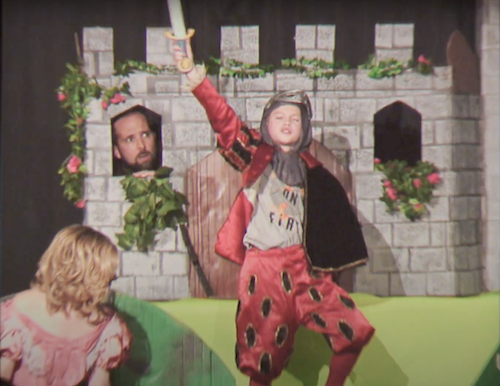
La Pac and directing duo, AB/CD/CD, have given viewers an inside look at the organisation’s impact. Their film is called Souvenirs, and it is presented as a “home movie”, directed by Louis, an 8-year-old cancer patient, being cured at the pediatric hospital of Bullion.
The film follows him over a period of 6 months, from the disease to his recovery. He heals little by little and goes through difficult phases, but thanks to the actions of FDH, Louis also lives joyful and fun moments with patients and nursing staff.
Below is an interview with AB/CD/CD – the story of the making of the story:
How did you feel when you received the brief?
AB/CD/CD: We thought it would be very interesting to work with kids and with a hospital. It’s one of the hardest subjects to deal with because it’s so important. We chose it because it’s a cause that needs to be protected. Children’s hospitals are essential. It’s quite an engaging project and, as directors, the documentary approach was quite interesting.
Before we started writing the project, we watched documentaries about children in oncology wards. We were inspired by them, in addition to our visits to the children and care team of Bullion Hospital. We did a lot of research to understand what the children were feeling. The agency wanted to make a positive film but it was a bit of a trap. Hospitals can be positive because you get treated and healed, but the reason you are there in the first place is because you are sick.
Which documentaries inspired you?
AB: Life Is Immense And Full Of Danger, shot in the ‘90s. It follows a little boy in oncology who has cancer and gets through it. It’s all about the kids’ point of view on his sickness. It is a very beautiful and moving documentary. Les Mistral Gagnants. This impactful documentary follows sick children. Despite their situation, they all have a very positive attitude.
What did you realise while working on the topic of sick children?
AB: That children are much more courageous than adults. They have a relationship to illness, to disability that is much more positive. This is a fact that we tried to transcribe in the film.
In the agency’s script, elements were proposed, such as TikTok or FaceTime style videos, but we don’t find these formats your film, why?
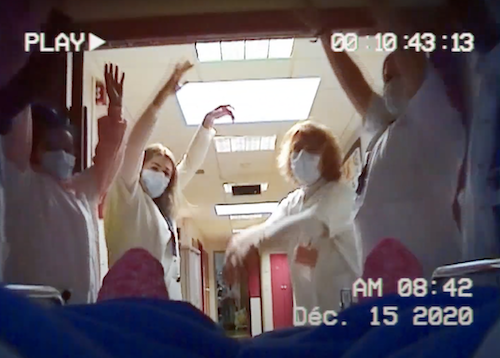
AB: The idea was to show that the film was edited by Louis himself as a «souvenir» of his time spent at the hospital. To evoke memories, we did not find TikTok and Instagram relevant. We also wanted to add texture to the images using DV, 16mm, iPhone, photography and animation.
On this particular film, and as a director, what was the greatest challenge?
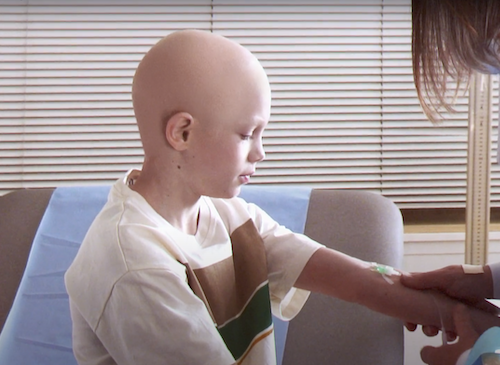
AB: It was to make people believe in the scenes with the children. Just like a documentary, we don’t really know if it’s fiction or reality. The child playing Louis is an actor (with his twin brother) but with the way it is filmed, you believe in Louis’s story. We were very careful that, on set, the children could have fun, really play without realising the cameras rolling.
We had the chance to shoot in Bullion with a real hospital team. The whole context is realistic so inevitably it creates a very documentary effect. We wanted to remain positive without putting aside the medical aspect of the hospital. When you watch the film, you follow Louis in his fight against illness. He is cured at the end, so the message remains positive.
You shot with the hospital staff, wasn’t that too complicated compared to professional actors?
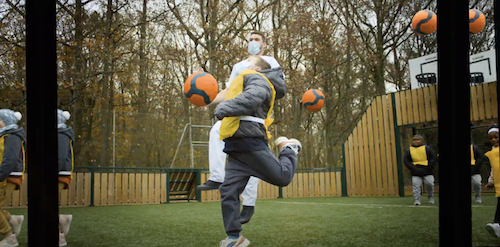
AB: No, they were super generous, they played the game. Except for the main character, all the children are at Bullion Hospital. You see them especially in the soccer scene. It was great to be able to play with them. We were very moved by the positivity of the children in the hospital and the hospital staff.
For the music, why did you choose Tiny Dancer by Elton John?
AB: It is the ultimate feel good song. It helps the progression in the story. The choice of the song was made during the first editing. Before the shooting we wanted to use a Daft Punk song but once in the editing room, it gave a much more serious side to the film.
Credits:
Production Company: La Pac
Directors: AB/CD/CD
DoP: Melodie Preel
Executive Producer: Jérôme Denis
Line Producer: Charles Ramare
Production Coordinator: Lucie Gardes