
Hundreds of Andy Warhol films, many never shown to the public, will be digitised so that they can be viewed.
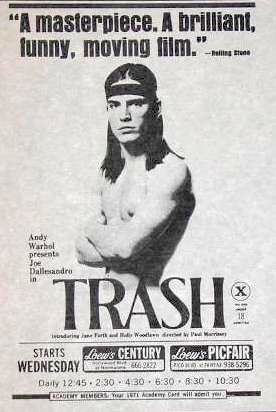
Warhol made more than 500 titles between 1963 and 1972, that were withdrawn from circulation more than 40 years ago. They have been housed, conserved, and small number of them exhibited at MoMA since the early 1990s as part of the museum’s overall collection of about 22,000 films. They are among the most requested works in MoMA’s Circulating Film Library.
The 500 films are about to be converted to digital format through a new partnership announced by The Warhol, The Museum of Modern Art, and MPC post production.
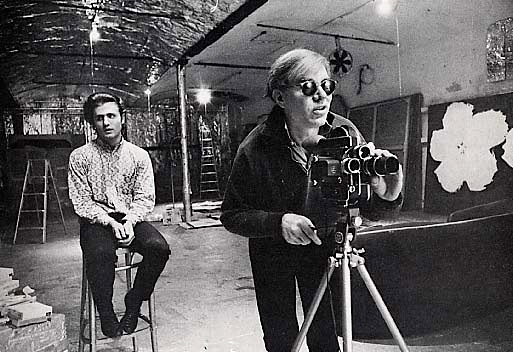
In October this year, 15 Warhol films never shown to the public and digitally restored by MPC, will have their premiere at a screening called Exposed: Songs for Unseen Warhol Films debuts. This performance combines the films with live music written and performed by Tom Verlaine, Martin Rev, Dean Wareham, Eleanor Friedberger, and Bradford Cox.
Nearly 1,000 rolls of original 16mm film will be digitally scanned, frame by frame, and converted into high resolution (2K) images. The process will take several years to complete. Once completely digitised, the entire collection of Warhol films will be available for public screening.
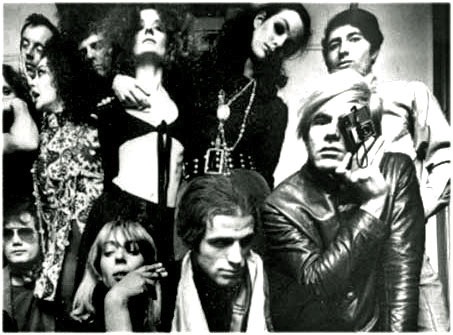
Warhol obtained his first motion picture camera, a 16mm Bolex, in 1963 and made his first film, Sleep, in which he flouted Hollywood film conventions by focusing his camera on a single object for hours on end.
Exploding Plastic Inevitable (EPI), a multi-sensory experience of projected images, light, and live music was first introduced in 1966 at The Dom in New York City.
Warhol produced hundreds of short Screen Tests capturing portraits of friends, colleagues, and visitors to his studio, the Factory, and made almost 600 films in his lifetime, from documentaries to dramas.
His most commercially successful film was the 3½-hour, double-screen The Chelsea Girls in 1966.
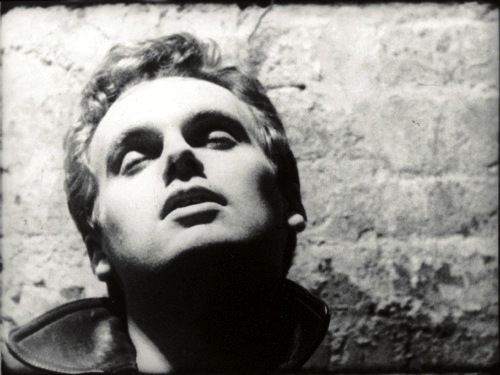
These films are among Warhol’s greatest works and are as significant as his paintings,” stated Eric Shiner, director of The Warhol.
Rajendra Roy, The Celeste Bartos chief curator of Film at MoMA, added, “The results will allow us to maintain our custodial responsibility for the long term analog preservation of Andy Warhol’s films, and will help provide broader access to them for research and theatrical exhibition.”
MPC as partnered with Adstream and will provide the scanning and artistic restoration to create new digital masters that retain the original character of the films.
Justin Brukman, managing director of MPC NYC noted, “Today our work and creative expertise covers a broad spectrum of media sectors and platforms. In recent years MPC has collaborated with a growing number of distinguished art institutions and artists and working with The Warhol and MoMA is a wonderful opportunity. The digitisation of these films is just the first phase of this project and we are all excited about exploring future opportunities together.”
You might also like