Like many people throughout the world, Australian photographer, Hilary Wardhaugh, is feeling frustration about the climate crisis. Like a growing number of people throughout the world, she has realised that creativity has power to create change and she is using hers.
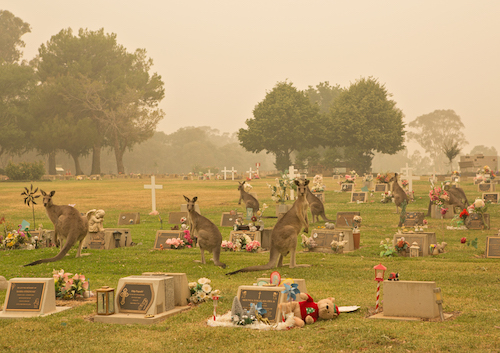
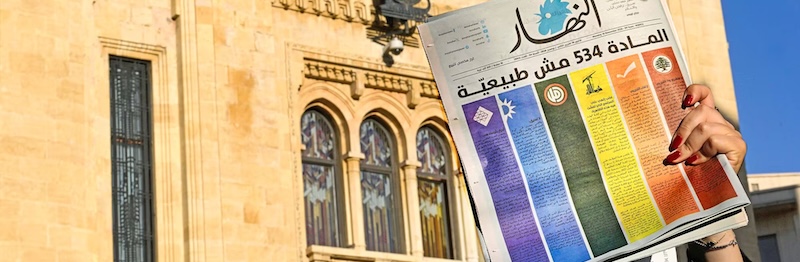
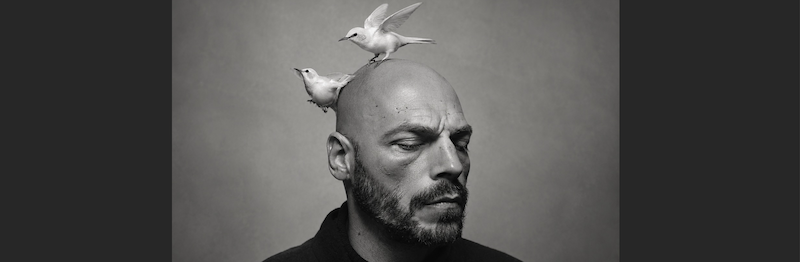
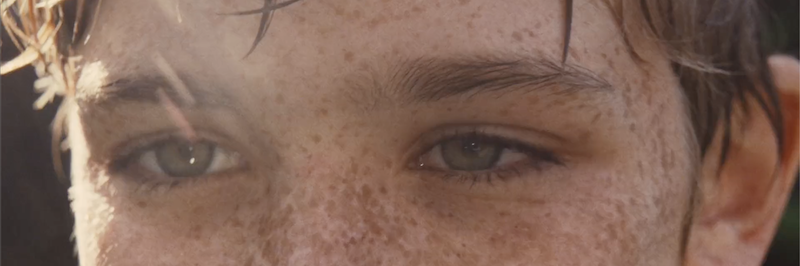
COP 26 showed that the Australian government’s attitude to climate change needs to change. Wardhaugh has launched the #everydayclimate crisis visual petition, a call out to all women and non-binary people of Australia to create images about Australia’s climate crisis, in their local area and country-wide. The petition’s goal of 1000 photos will be presented to the Australian Government in Canberra in June 2022. It will also be visible online in a virtual space, through New Art City.
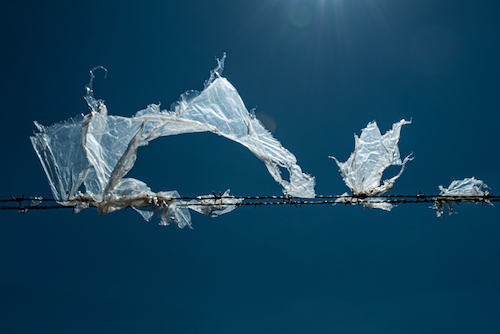
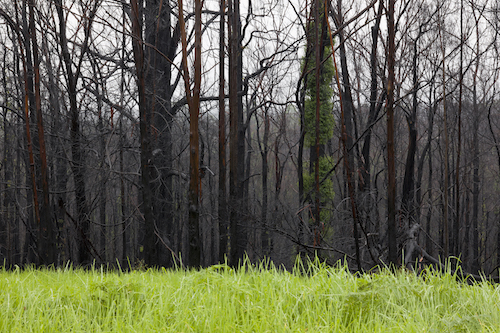
“I started this project because, instead of feeling helpless about climate crisis we face, I wanted to do something. So, I started to crowdsource images from a diverse community of women and non-binary photographers in Australia and currently over 400 images have been received,” she explained.
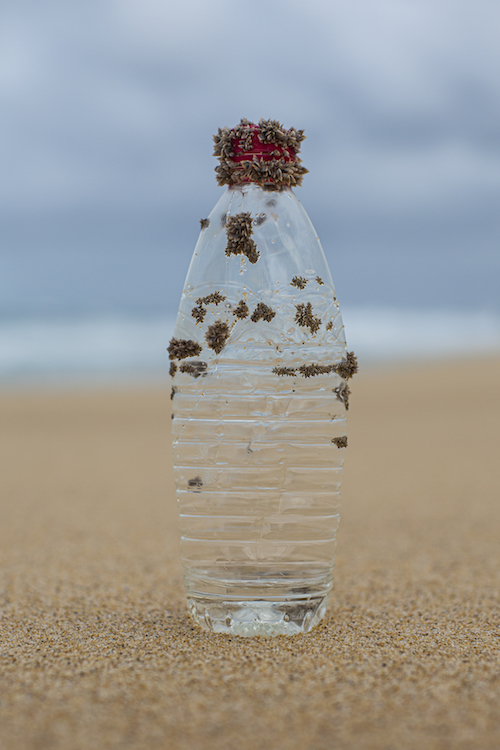
“Drawing from the old adage that ‘a picture is worth a 1000 words’ the aim is to get 1000 images which metaphorically equates to 1,000,000 words and collectively having 1000 images responding to the climate crisis, from women all over Australia will become a powerful feminist document.”

How to join:
Images can be created by using a phone camera, DSLR or film camera and there is no age limit or need to be a professional photographer or artist. Creators will always retain their own copyright and all images submitted are used for the Petition and promotion only.
“It is important to include phone photographs to make the petition as democratic as possible, giving a voice to people who would not necessarily have a say, including those most vulnerable to the effects of climate change. It is an egalitarian approach to photography and asks for personal images to be used in protest, for the greater good. I call it photo activism,” Wardhaugh stated.
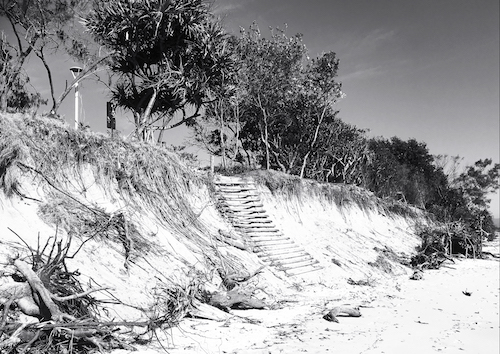
While the petition’s name included the word, “everyday”, there is no intention for the images to be ordinary. The aim is to make images illustrating the effects of climate change seen “everyday” and that many think about this climate crisis “everyday”.
“Ironically, it is not everyday we have a climate crisis. This is a one-off; our only chance,” Wardhaugh commented.
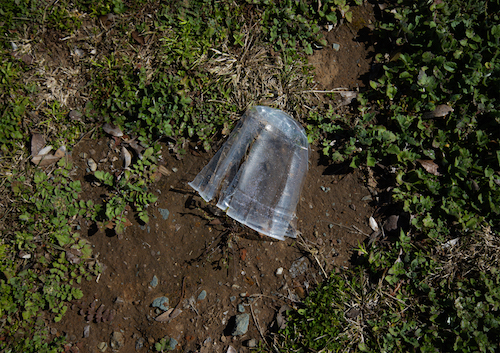
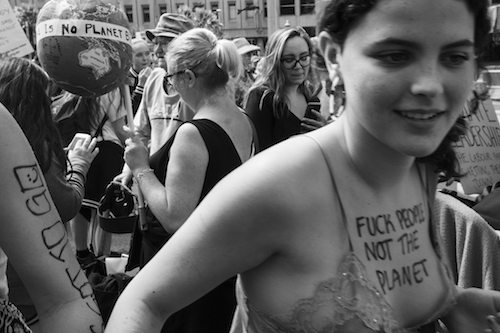
Wardhaugh hopes that the full collection will inspire change, not despair. “The climate crisis we face is existential and can be all consuming but there are dangers of narratives of doom and despair. Initially, the petition was only seeking images depicting the effects of this crisis, but thanks to some timely advice I realised that 1000 images of despair and failure would be too negative. So, with this in mind I now seek a variety of images, including those that illustrate the beauty of the land we live on, cultural practices to enhance and regenerate the lands and hope generated by photos of humans doing great things to repair damage. Too much negativity and our problems are seemingly insurmountable so by adding some positivity and hope the Petition will inspire and help and change our behaviours,” she explained.

Find out more about #everydayclimatecrisis here and submit photos.
The official launch event, Women See Change, is in Canberra on February 10, during the AQUIFER Program. It will include a projection of curated images and a panel discussion.