
Russia’s skateboarding culture was born around the Lenin monuments. A lot has changed since then, but to this day, in dozens of cities across the country, the squares housing Lenin monuments remain the place for local skaters to hang out.
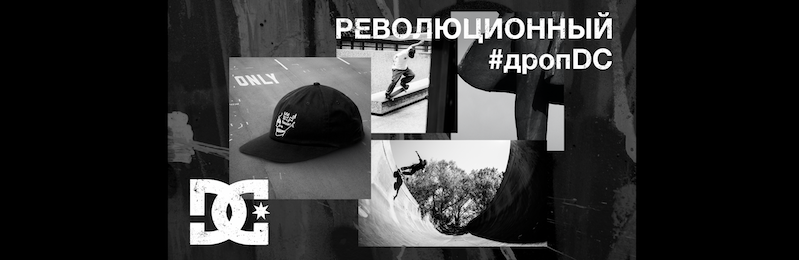
DC Shoes has staked its claim in this trending segment of pop culture with a campaign that connects the brand to those monuments. The idea comes from agency, Proximity. The partners gave people gave an opportunity to get access to a limited collection by DC Shoes – if they placed the brand’s virtual cap on Lenin monuments in augmented reality. The campaign, the Revolutionary Drop project, was developed with the support of OMD Media Direction and Media Direction Digital agencies (part of the Media Direction Group).
Rather than giving the usual fashion models and influencers the first try at the exclusive collection by DC Shoes x Basquiat, DC Shoes and Proximity gave that honour to skaters’ icon, Lenin, or to be precise, his images and monuments throughout the country. Augmented reality (AR) technology made it possible to update the recognisable image of Vladimir Ilyich, replacing his main attribute, a work cap, with a skating cap by DC Shoes. To get exclusive access to the Drop, users had to enter the project’s website and place a skating cap on Lenin in augmented reality. Any monument, bust or image of Lenin could be used as a model.
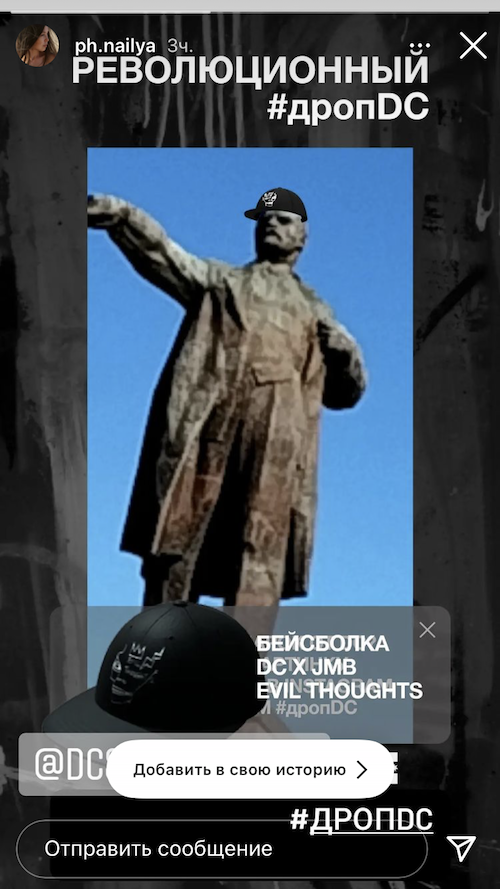
To project was implemented using computer vision and augmented reality. Two algorithms were used to recognise Lenin. One searched for a face in the frame, the second determined whether it belonged to the desired ‘influencer’. WebAR technology made the experience as simple as possible. A virtual 3D model of the cap was integrated into a Lenin image from a phone camera right onto the project’s website to trigger access to the brand’s limited collection.
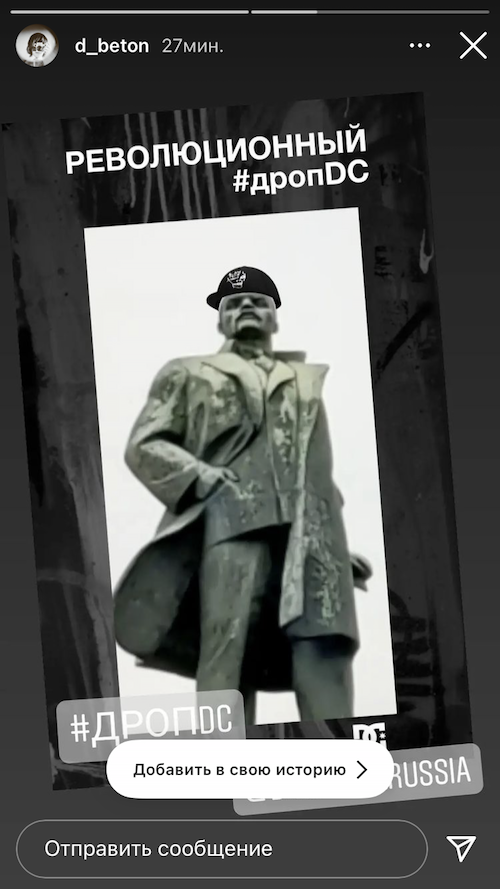
To announce the project, OMD Media Direction and Media Direction Digital agencies used two key media channels. The first was digital; the second tarmac. These are the two places where skaters’ attention is concentrated. When they’re skating, they look at the road, when they’re not, they use a phone. Proximity used Instagram as the main channel because as it’s used by most skaters. Likely candidates were found using Super-geo, targeting those who skate regularly and come to the skating spots by Lenin monuments. To optimise the budget, an automated update of target segments was carried out in real-time. Users who reacted to the message and went on to access the project’s web page were excluded from the target list. The skate spots were also turned into a media platform. Proximity placed teaser announcements on the pavements. The project was also supported by well-known riders and bloggers in the skate community.