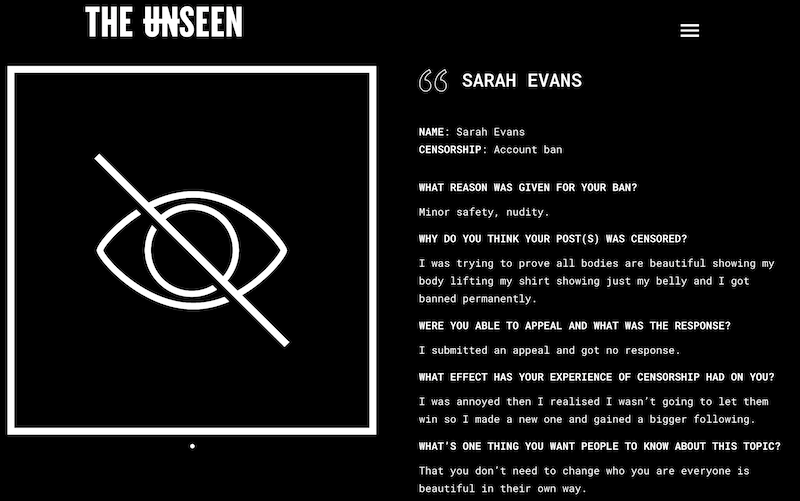
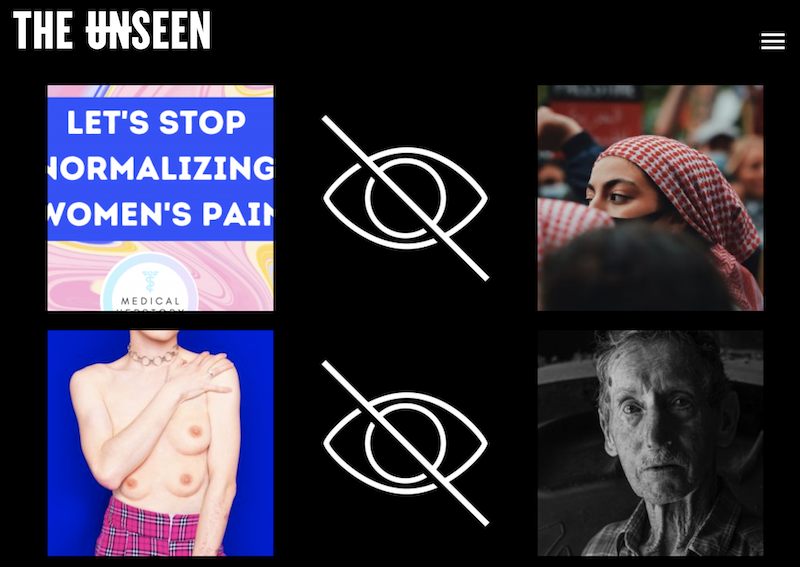
Censorship isn’t always fair. Some decisions are timid. Some suggest prejudice. Some make you wonder why. Rankin has launched an online community project to highlight unfair censorship by re-platforming those who’ve been unfairly silenced online.
THE UNSEEN is open to anyone who has experienced content removal, account removal, promotion/ad ban or shadow banning. The project intends to create a positive debate around the topic and provoke change in attitudes and working practices.
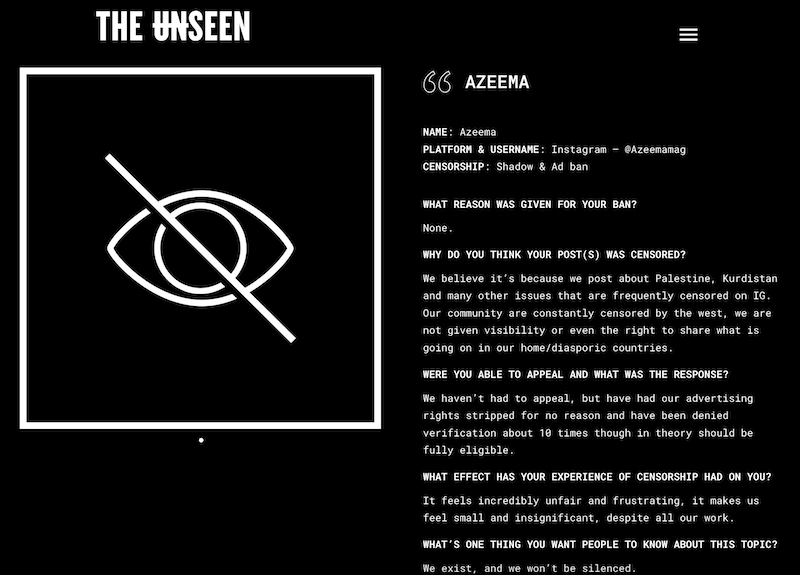
“Censorship is a necessary tool to prevent fake news, protect children and more. But it is often used inadvertently to silence marginalised voices,” said creative founder and photographer, Rankin.
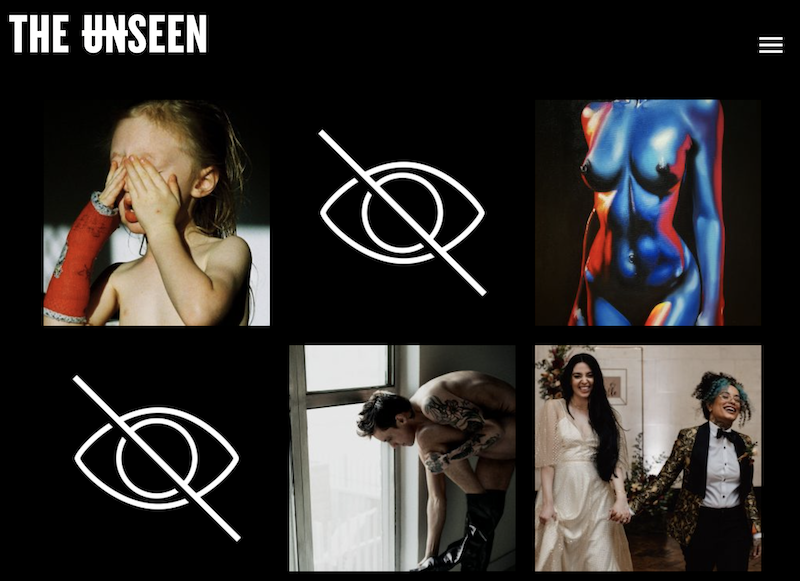
THE UNSEEN will show the breadth and severity of unfair censorship in a way that’s not been seen before. The statistics of those who have joined the community highlight the core reasons marginalised people feel they are being censored:
- Female body & sexism/misogyny related experiences 29.6%
- Experiences of homo/queerphobia 10%
- Politically related experiences 7%
- Fatphobia/plus size discrimination 5%
- Ableism experiences 4%
- Racism experiences 4%
The project has already input from people from all over the world sharing their stories and joining the discussion.
“We’ve had an incredible response so far, and we’re just getting started,” Rankin commented. “This is an important issue, and those affected deserve to have a voice in the policies that affect them on the platforms they love and build their businesses on.”
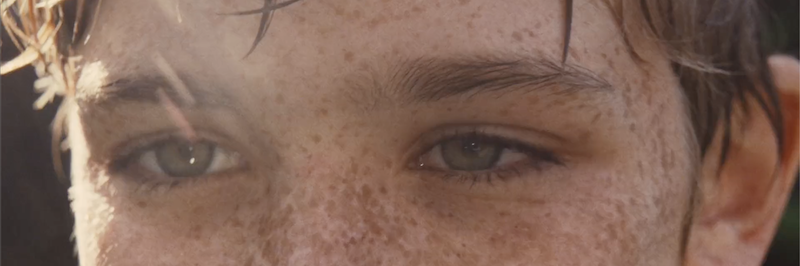
To launch the project, Rankin partnered with digital-first Quantus Gallery in Shoreditch, London to hold a public exhibition. The show features all the posts and several of the stories submitted by entrants, as well as portraits of thirteen from the contributors, photographed by Rankin and made interactive by the experiential design team at Media.Monks.
“We wanted to put the viewer back in control and subvert the relationship we have with the images we see online, so working with Media.Monks was ideal. I also think it’s important to show how emerging technologies like 8th Wall can be used positively, to make things fairer,” Rankin noted.
“We’re thrilled to be launching this project to the public, we hope the simple act of creating a database and awareness of these stories will help make a difference. But we’re far from done, we’ll be working until the system is fairer,” added OPALUKE, Opal Turner and Luke Lasenby, the creatives driving the project.