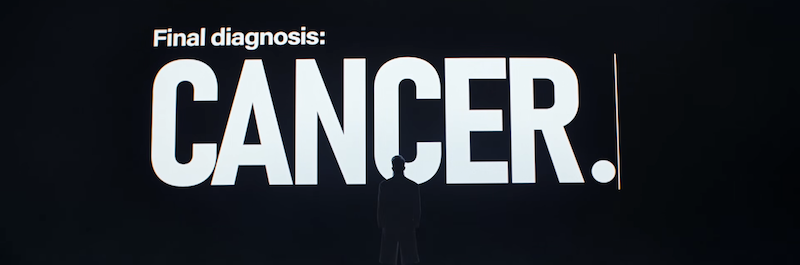
Save the Children’s new campaign film is incredibly difficult to watch. But we have to. *Nearly one in five children worldwide is growing up in the shadow of war – a figure that has almost doubled in the past 30 years.
The campaign was built on research** revealing that 87% of Australians feel deeply for children affected by conflict. Just 10% are motivated to act. Every Child, Every Conflict unlocks Aussies’ depth of feeling in a short film that transcends borders, politics and language to highlight the universal suffering of children caught in war and inspire people to take action.
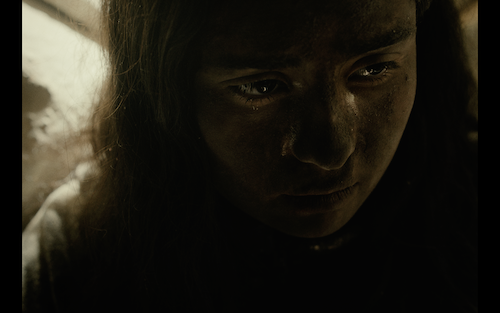
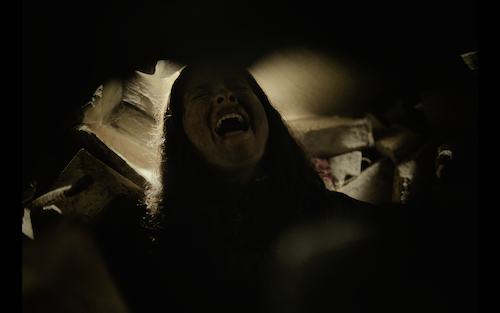
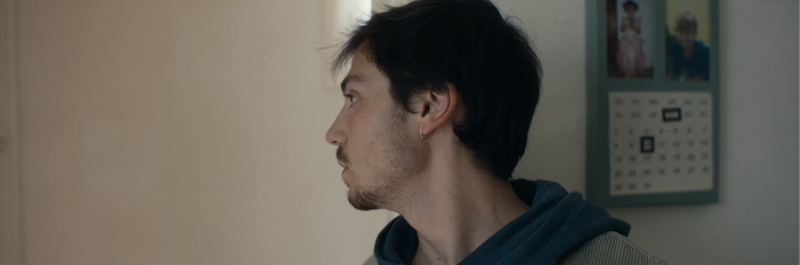
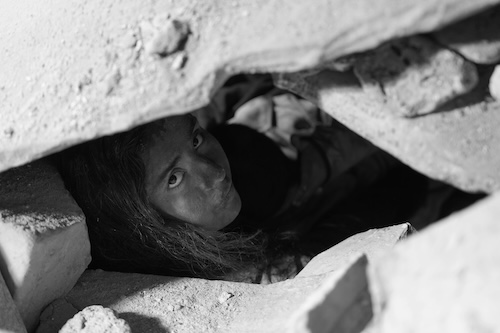
The film, produced by Ando Films, presents a dramatic, powerful moment in the lives of two children in a fictional conflict zone. The story is told entirely in “Bajasá,” an invented language created to symbolise the shared trauma experienced by children in war, regardless of where they live or the language they speak. The fictional language was inspired by Save The Children founder Eglantyne Jebb’s words that “the only international language in the world is a child’s cry,” and was designed by renowned linguist, Jacob Newbegin.
The language, Bajasá, was created to bypass preconceptions, politics, religion and alignments to specific regions and nations – symbolising the universal nature of suffering children endure in war, regardless of where they live or the language they speak. The linguistics team spent six months developing the unique structure of the language, specifically engineered to convey trauma, hope, and resilience in ways that transcend cultural boundaries.
Lead linguist, Jacob Newbegin explained, ” When children are traumatised, they change the way they communicate. We wanted to give them a voice that belonged only to them, so every sound, every syllable was crafted to carry their emotions without the politics and prejudice that can comes with existing languages. The prospect of contributing to this project was, to me, not only an opportunity to help illustrate the importance of language but the protection of those who speak it.”
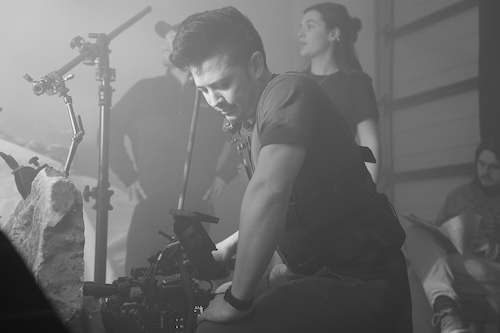
Director, Brian Patto, added, “Language can be both a bridge and a barrier. From the beginning, I knew I didn’t want dialog that anchored the film to a specific place, nationality, or political context. So, we created a language, one that wasn’t designed to be necessarily translated, but carried emotional weight. The goal wasn’t comprehension; the goal was connection. And that was always the point: this could be any child anywhere in the world speaking any language – that idea shaped every storytelling aspect. It shaped the decision of the filmmaking process, from the cinematography to the pacing, to the performance.”
Save the Children Australia CEO, Mat Tinkler, stated, “Every Child, Every Conflict illustrates in haunting accuracy the reality of life for these children. From Gaza to Sudan, Ukraine to Syria, Myanmar to Afghanistan, the suffering of children in conflict is universal. Pain, fear, and loss transcend borders, beliefs, and translation.”
“The plight of children in war zones is top of mind for Australians. Now is the time to redouble our efforts to protect and promote all of these children who are having their youth and futures stolen by war,” he added.
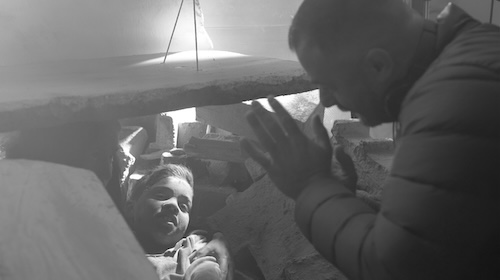
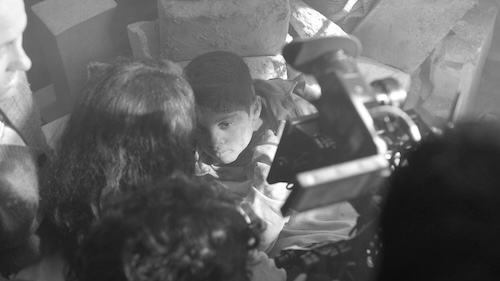
The campaign calls on Australians to advocate for greater protection for all children affected by war and including their voices in peace-building and protection policies.
* Stop the War on Children: Pathways to peace – Save the Children 2024
** Research conducted by Pureprofile in July 2025 and commissioned by Save The Children Australia.
Credits:
Writer & Director: Brian Patto
Executive Producer: Zac Martin
Client: Save The Children
Production Company: Ando Films
Producer: Monty Callen
Director of Photography: Aaron Farrugia
Production Design: Molly Greco
Casting: Northside Casting
Sound House: Rumble Sound
Sound Engineers: Liam Annert & Sean Wilkinson
Music Composer: Rino Darusman
Colourist: Ferg Rotherham
Linguist: Jacob Newbegin