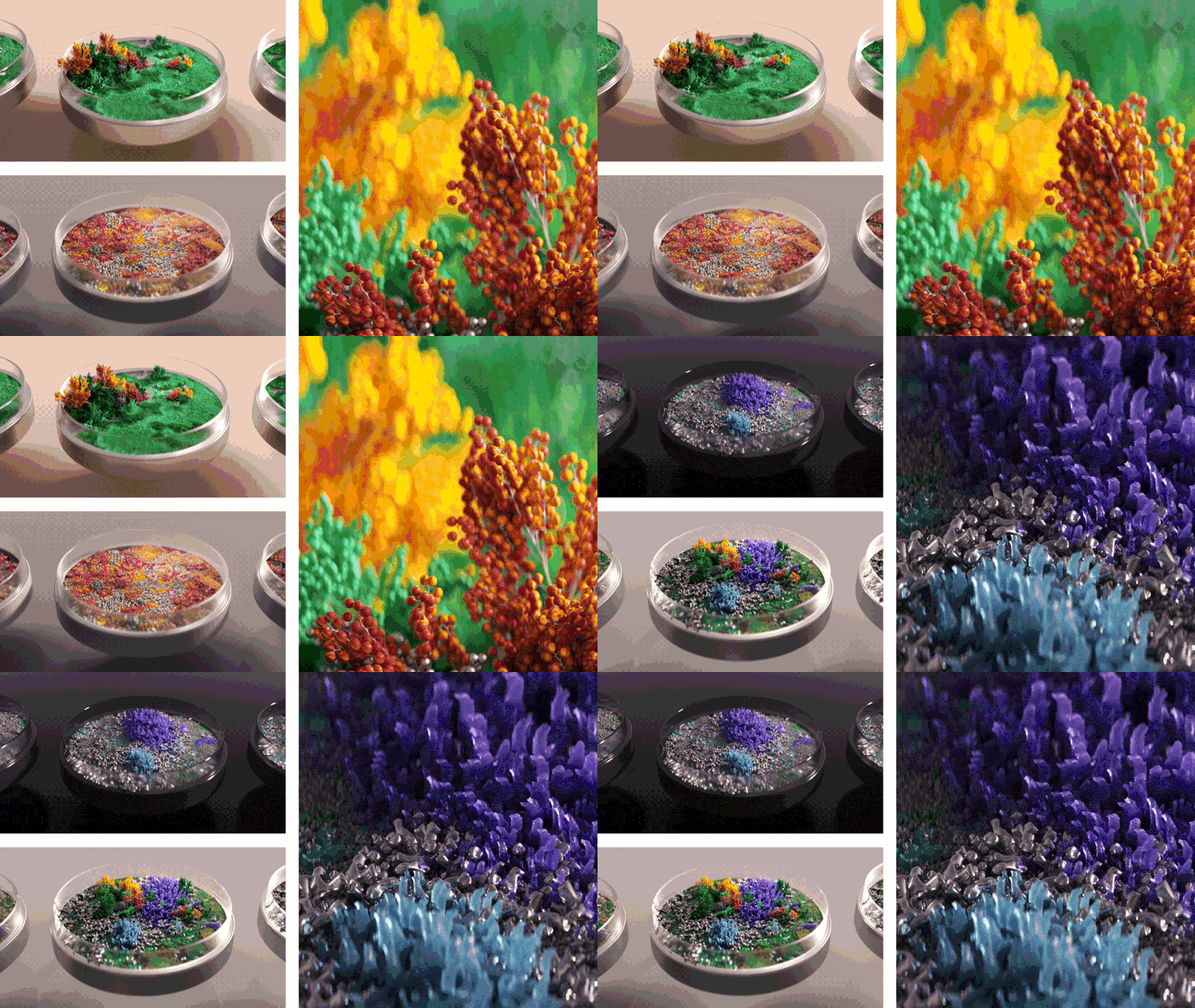
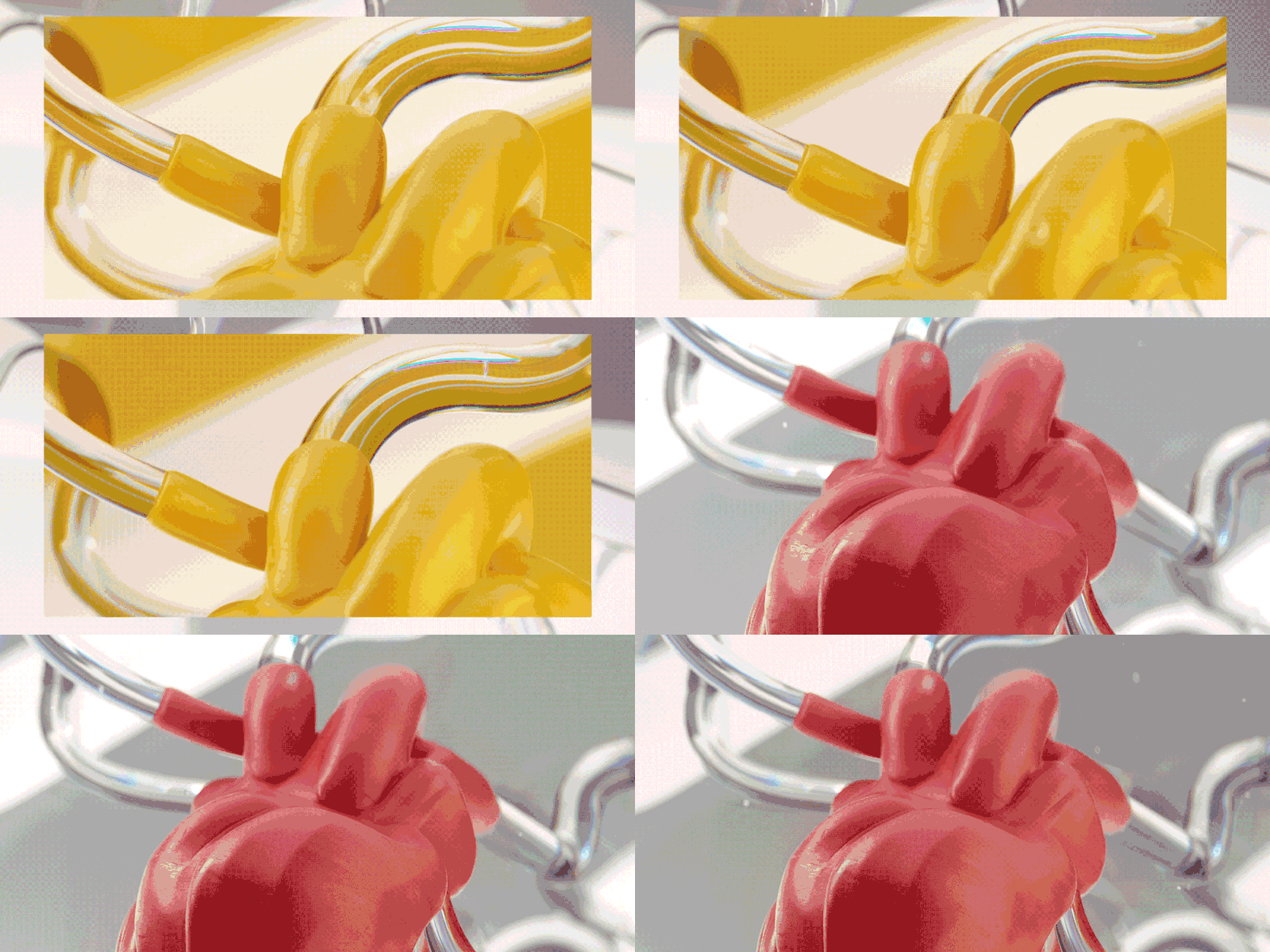
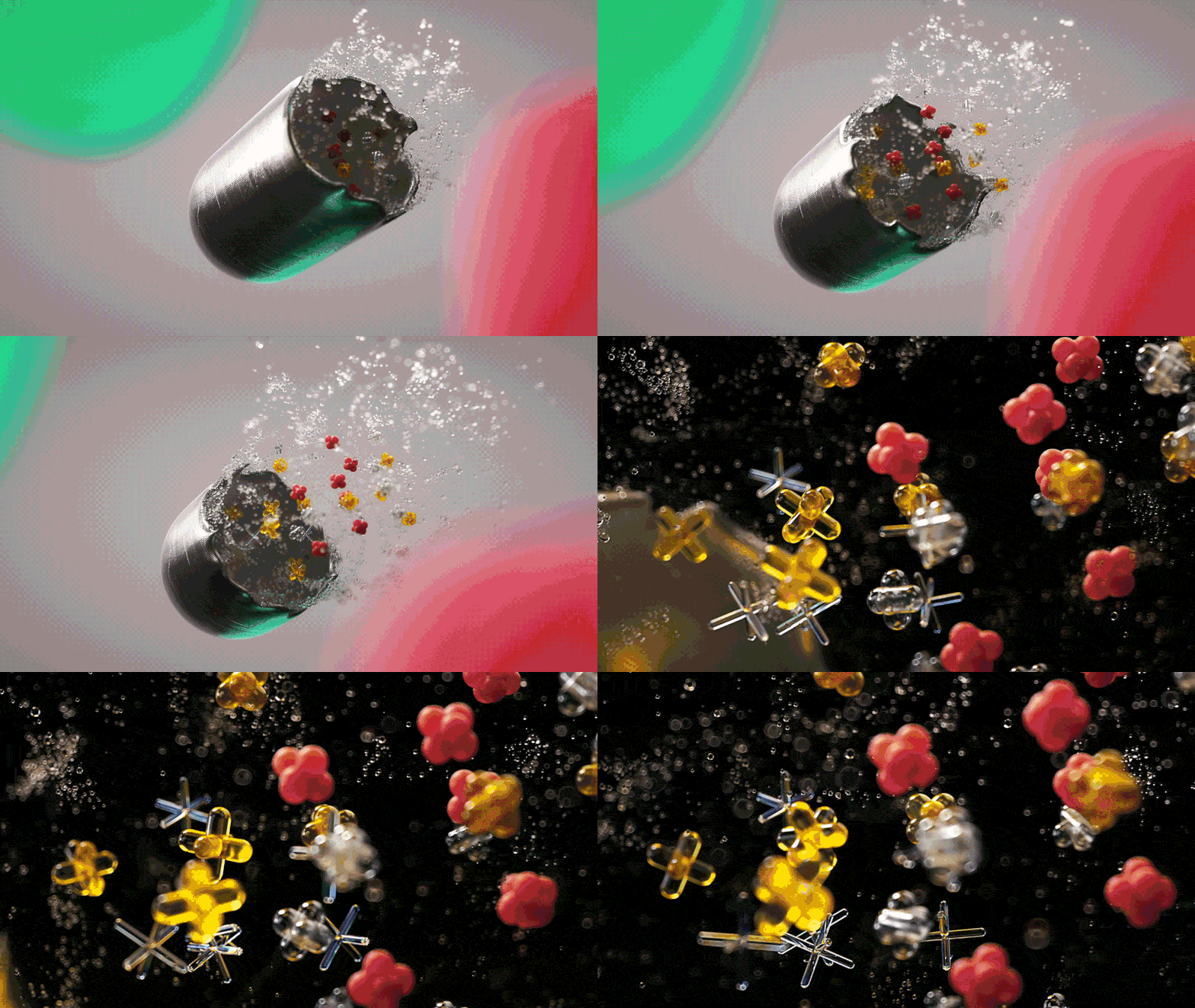
Pharma’s visuals tend to take the road most travelled – lab coats, floating code, and microscopes that recall sci-fi clichés at best and high-school textbooks at worst. Unsaid Studios has taken on the challenge of exploring how ground-breaking scientific stories can look when done justice.
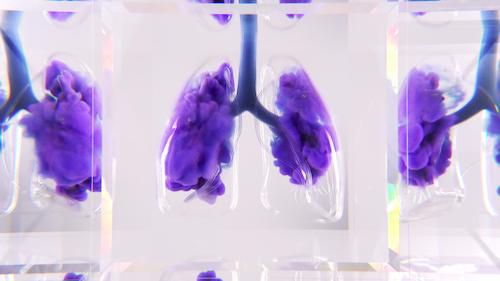
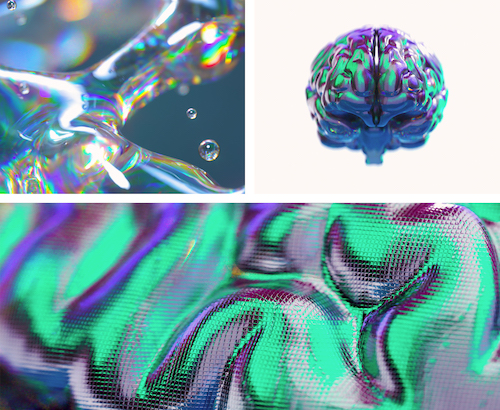
Unsaid Studio’s pharma visuals are flooded with colour, light, sculptural forms, tactile materials, and particle simulations. They’re artworks that reflects the excitement of the science itself. “Sleek simplicity framed correctly fosters visual poetry, describing scientific concepts without overdoing it for a cutting-edge yet timeless feel,” it noted.
The endeavour was inspired by a recent project with Redesign Health and a presentation for pharmaceutical company, Roche. These connections at Roche, as well as a producer with a biology degree, guided Unsaid Studio in its quest for accurate yet imaginative visuals.
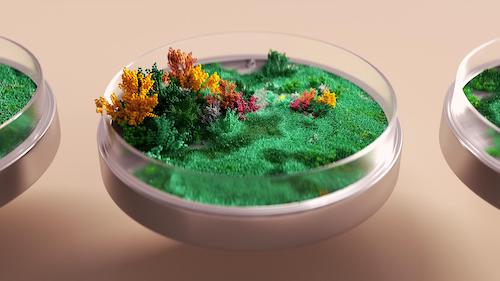
During its experiments, the team created tools to turn numbers into computer simulations, unearthing beauty in the data. To fill the petri dishes, for example, Unsaid Studio devised a tool that scatters objects using organic noise fields. It also enables the user to control colour, size, the number of objects, and, most importantly, the ratios and behaviour between the clusters of them. Such a set-up can produce endless unique microscopic landscapes based on a random seed or inputted data.
Unsaid Studio observed that this work uncovered a number of similarities between what it does to produce advertising and the work of scientists, both being problem solvers in different ways. “Both sides think in terms of physics simulations, creating and understanding why materials and environments look and move the way they do, and how light interacts.”

Tom Alex Buch, founder and executive creative director at Unsaid Studio, commented,“At the forefront where science meets technology, revolutionary changes are happening; as an animation and design studio, these stories are more deserving of our craft than ever. Being digital artists, I see a lot of overlap in our fields. We’re often using complex 3D software, and we’re adept at blending art, science and maths to try and explain larger messages. When we use this to do such developments justice, we allow them to capture people’s imaginations and inspire them – as they should.”