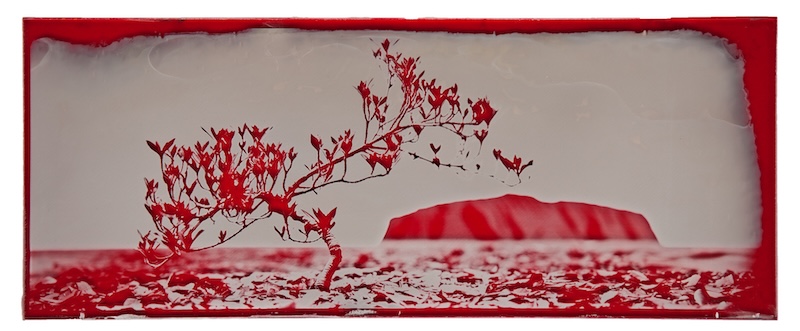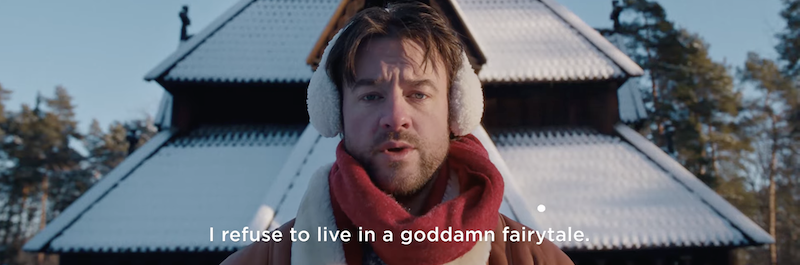
Photographer, Adrian Cook, is a master of his craft, proficient in film, Polaroid, digital and the historic wet plate collodion process. His mastery of wet plate collodion photography began in 2015, an effort to recreate the aesthetic qualities and characteristics often lost in new technology. Cook’s work has been commissioned, published and exhibited worldwide, including assignments for Vogue, Harper’s Bazaar, Rolling Stone and Vanity Fair. His advertising work has been applauded at Cannes Lions and D&AD. The overriding aim of all his work is to reject predictability and monotony, creating photographs with depth, presence and lasting value.
Cook has recently been lured back to Australia after a spell of less hectic work life in New Zealand, although he also created New Zealand’s first analogue photography festival, a product of his zeal for analogue processes.
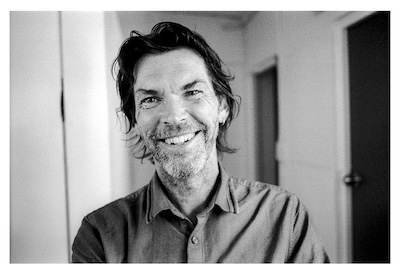
The Stable seized opportunity to chat with Cook about his work that stands out.
The Stable: What took you to New Zealand and what brought you back?
Adrian Cook: I grew up in New Zealand, but left to go travelling when I was about 19. So, when my partner was offered a job over there a few years ago, we thought, why not? Let’s have an adventure.
We packed a few suitcases, shipped my little mobile darkroom over and while my partner pursued her career, I set up a little wet plate portrait studio and spent my time touring the country, shooting portraits and landscapes whenever I had the opportunity. Brilliant.
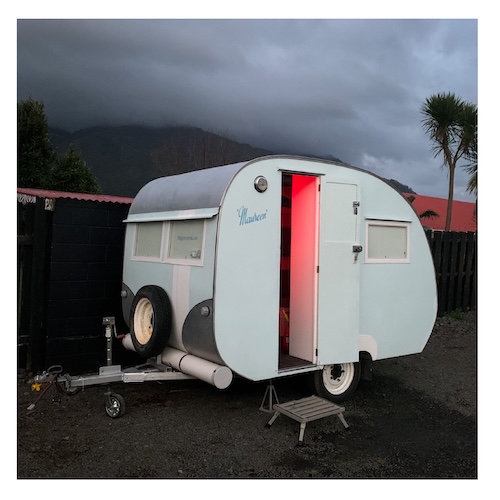
What brought me back? Family and friends mostly. I’d also been getting quite a few enquiries asking when I’d be available to shoot in Australia again, which didn’t hurt.
In 2025, I created Analogue Aotearoa, NZ’s first analogue photography festival. The festival returns in 2027, so I’ll be back for that. For now, I go back and forth – a few months over there, a few months here. It seems to work pretty well.
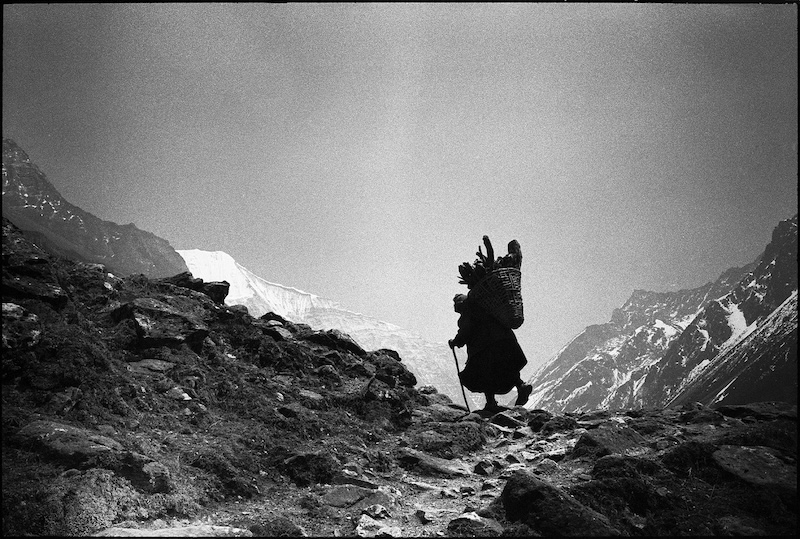
The Stable: Your specialty is portraiture. Why?
Adrian Cook: As an assistant, I spent five years working for some of the world’s leading advertising and editorial photographers in London and New York. During that time, I got to shoot pretty much everything – food, cars, portraiture, documentary, still life, fashion, you name it.
My first portfolio was a mishmash of everything I’d learnt, and I remember a creative director telling me that my book was too diverse. That I looked like a jack of all trades. He recommended I specialise in one area, because that’s what he looked for when considering a photographer for a commission.
It was a big lesson. So, I chose people.
He gave me my first job about two months later.
But mostly, I just like the interaction. I like working towards a common goal with someone over a relatively short period of time. There’s an intimacy to making a portrait, and I’ve always enjoyed the time spent with the people I’ve met – and the friendships that can follow.
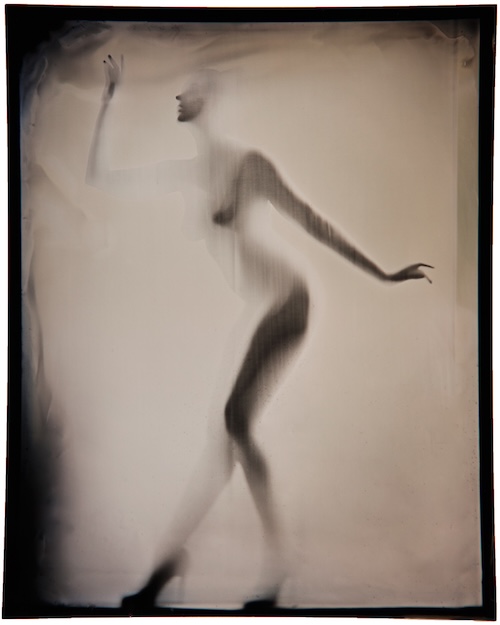
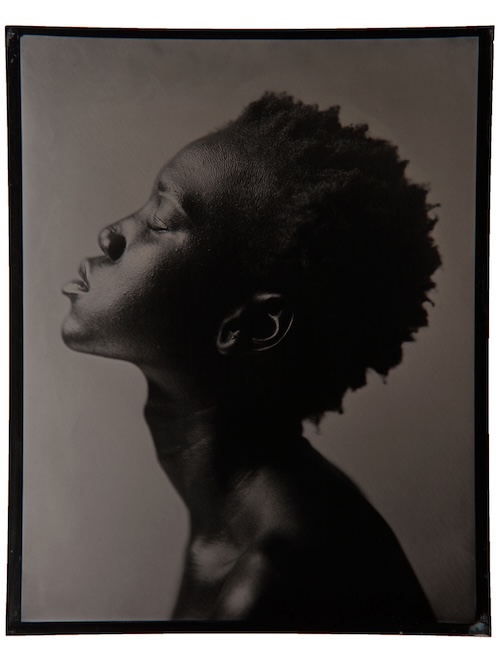
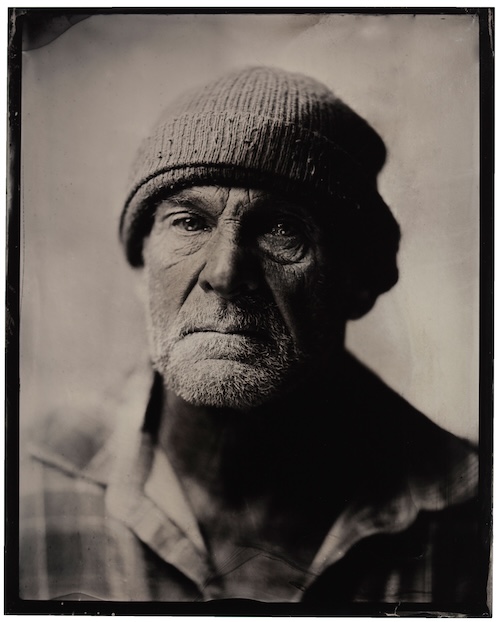
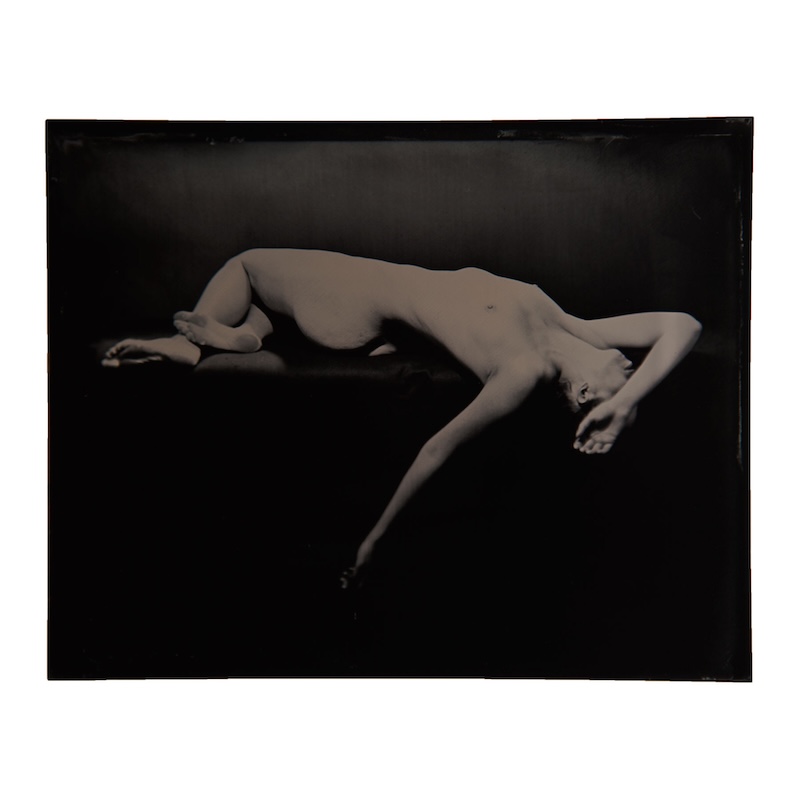
The Stable: You move between film, Polaroid, digital and the historic wet plate collodion process. What are the advantages of each for you?
Adrian Cook: I have nothing against digital, really. It does the job, and I use it when I need to. It’s incredibly good at what it does. I just find the process cold and uninspiring, and that’s not what drew me to photography in the first place.
What I love about the analogue processes is the time taken, the craft involved and the fact that everything is tangible. Film slows things down – every frame matters. Polaroid gives you something physical almost immediately. And wet plate, well…that takes things even further.
There’s something very satisfying about creating an image that is, in some cases, almost entirely made by hand from start to finish. There’s no hiding from errors, no “fix it in post”, no screens and, importantly, no one looking over my shoulder telling me what to do.
And then there’s the equipment I get to use… bliss.
The Stable: Thirty years accrues a lot of experience. What have you learned?
Adrian Cook: Less is more.
It’s all about the light.
I’m still learning.
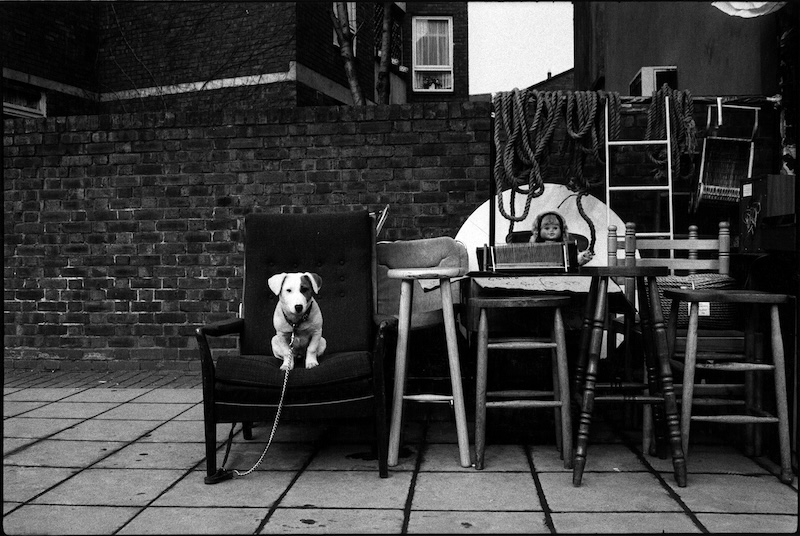
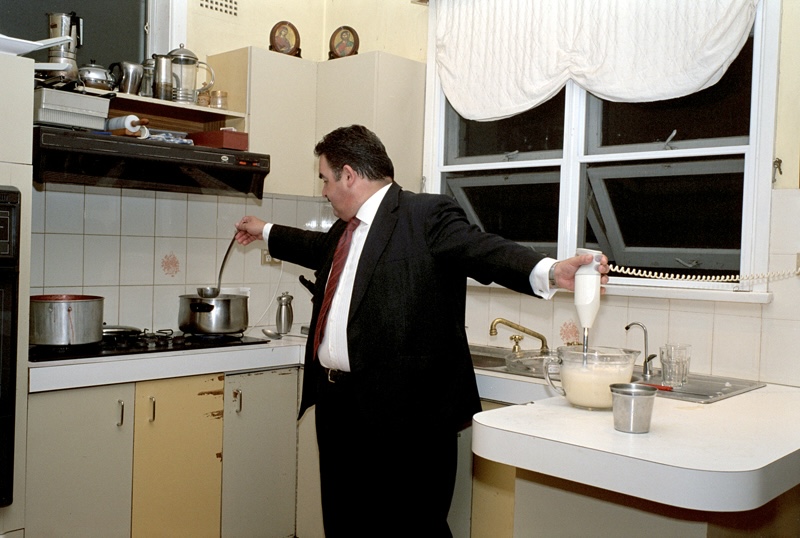
The Stable: Your work has been applauded by Cannes, D&AD, Head On and the National Portrait Prize, among others. What work are you most proud of?
Adrian Cook: It’s an old cliché, but I’m hoping it’s the one I take tomorrow.