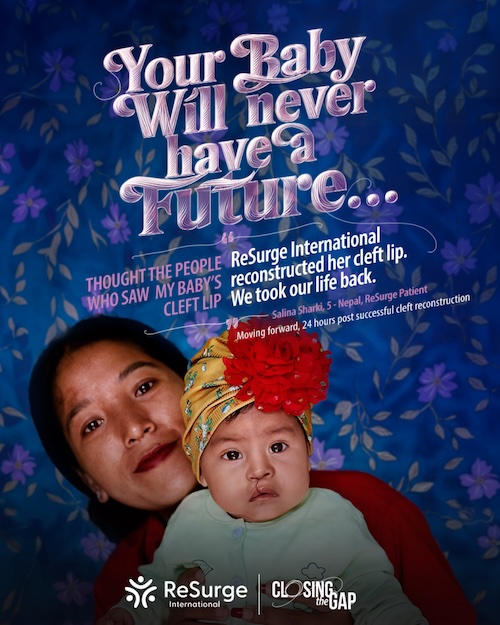
In May this year, nonprofit humanitarian aid organisation, ReSurge International, took home the Bronze Non-Profit Award at the 2026 Effie Awards US and a Bronze Clio Health Award in Creative Effectiveness for its pro bono campaign, Closing the Gap, by Ogilvy Health and Papaya Films that reframed reconstructive surgery as life-saving care. The campaign helped ReSurge to achieve a rise of 227% in new supporters, a 490% increase in new donor revenue, and a 215% surge in website traffic.
ReSurge chief marketing officer, Anna Santos, has a strong idea where those results came from.

Here is her story:
The old view of nonprofit marketing no longer works
The fundraising landscape for non-profits has changed dramatically over the years. For decades, we were always encouraged to minimise overheads, often at the expense of investing in marketing and the very functions that ultimately enable organisations to deliver more results and greater impact. Even now, after the dismantling of USAID, the single largest source of global humanitarian and development funding, many organisations are still struggling to justify investing in their communications. But as traditional funding becomes less predictable, non-profits are racing to diversify their funding sources and strengthen their pipeline of individual donors. That means reaching and inspiring new audiences, and that’s where marketing and creativity become essential.
The encouraging part is that people across the world care about making a difference. Take the US for example: Oxfam America’s 2025 polling found that 95% of respondents believed the country should spend more on global relief, with more than three in four supporting food assistance, clean water, sanitation, disaster and medical relief. So, the challenge for us isn’t convincing people to care, it’s helping them to understand why your cause matters and inspiring them to act.

The case of ReSurge International’s Closing the Gap
For us at ReSurge International, a global surgery non-profit, focusing on our marketing activities through creative campaigns has been incredibly powerful. Not just for spreading awareness, but by changing perceptions to ignite real change. Here’s some context: ReSurge had a loyal base built over 55 years, but the average age of our donors was 73. To grow, we needed to reach a new, younger generation of supporters and get past a fundamental misunderstanding of what reconstructive surgery even is. Our mission is to increase access to plastic and reconstructive surgery in low-income countries, treating patients with congenital conditions, burn injuries, trauma, and post-cancer needs, while building in-country surgical capacity and training local medical professionals. However, in high-income countries research showed that “plastic surgery” was associated almost exclusively with cosmetic procedures, making it very hard for people to connect with our mission of restoring function and dignity in low-income countries.
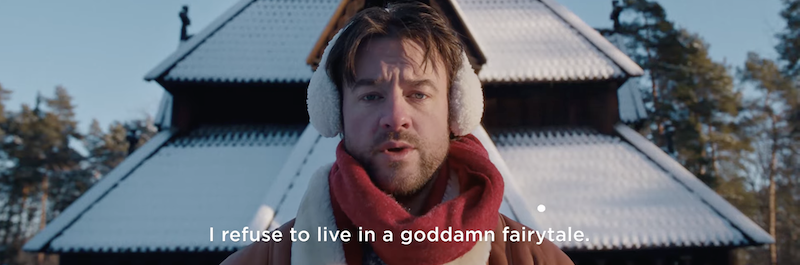
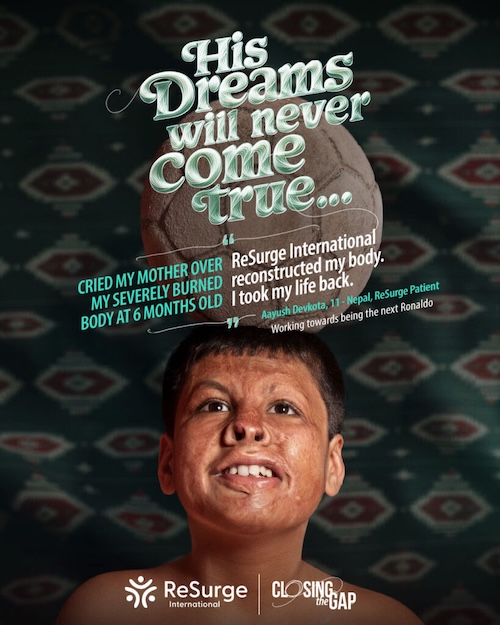
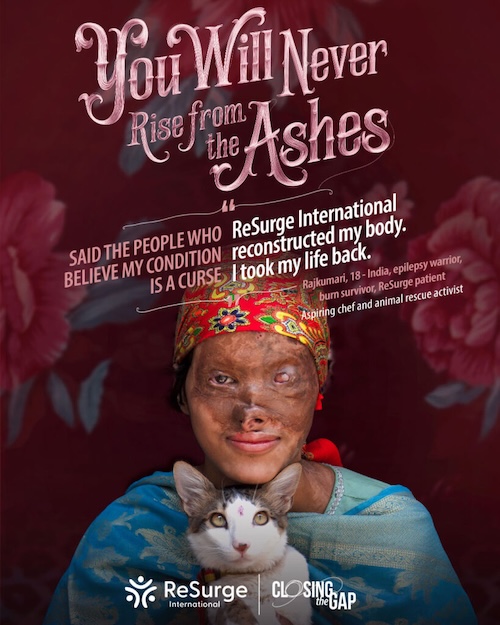
That’s the disconnect we decided to focus on and what we highlighted in our campaign, Closing the Gap. We wanted to confront this misunderstanding head-on and effectively show reconstructive surgery for what it really is: life changing care. Closing the Gap centered real ReSurge patients who were thriving after receiving free surgery and follow-up care. We took a documentary approach, filming patients with whom we had established relationships in their own homes or at our local partner sites, prioritising their agency throughout the process.
The results were powerful, driving growth across impressions, website traffic, social and email acquisition. We also witnessed exponential donor acquisition and online revenue. During the campaign period we saw a 227% increase in new donors year-over -year. Among a sample of new donors, we nearly tripled the share under 60, signalling a generational shift that matters for fundraising sustainability. Unexpectedly, “acid attack” became one of the top-searched terms associated with ReSurge, surpassing all but its branded keywords after the campaign spotlighted prominent acid attack survivors and human rights activists like ReSurge patient, Muskan Khatun; and advocate, Natalia Ponce de León, and their transformative experiences.
Creativity as a fundraising infrastructure
The campaign was also recognised for its effectiveness, taking home both a Bronze Effie in the nonprofit category and a Bronze Clio Health Award in Creative Effectiveness. That distinction matters. Effectiveness awards measure whether creativity actually changed behaviour, and in the nonprofit world, changed behaviour means real impact. It’s confirmation of what creativity can achieve, and why nonprofits should invest in it to grow their base of supporters.
The campaign worked because the creativity was tied to clear objectives: a defined audience, a single strategic insight, and emotionally resonant work built to move people to act. For agencies and nonprofit leaders alike, the lesson is the same. Creativity is not a cost to be minimised but infrastructure to be built, and the organisations that treat it that way are the ones that will still be reaching supporters when the next funding shock comes.