Barbara Humphries brought her background in design and illustration to the jury panel for Print Craft and Design at AdFest. She also brought her experience at W+K London plus a history of winning awards – at D&AD, Clios, One Show, Webbys and New York Festivals, as well as helping The Monkeys to win Australian Agency of the Year eight times across four national and APAC shows.
The Stable: What, for you, are the rewards of awards?
Barbara Humphries: It’s great to have recognition, especially when you know how tough the competition is. Let alone how hard it is to get a good, simple idea out in the world without it becoming compromised by the various pressures of time, budget or multiple objectives. For me, I think one of the most rewarding things is when you know the work is working. Hearing positive feedback from the people it was designed to talk to is also good.
TS: What were you looking for in particular in Print Craft? In Design?
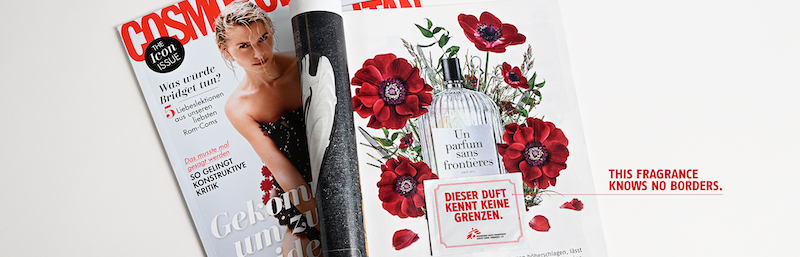
BH: Other than the communication and craft objectives, design that takes into account the audience and the environment for which it is created. In print craft, work that demonstrates the power of the medium to move people in ways other more transient mediums cannot. Print by its definition isn’t iterative, so that commitment to the final outcome makes every small decision more important. The end result is a physical piece out in the world, and when we’re all trying to cut down on clutter and print wastage, it has to be a worthy addition to culture and to the physical environment.
TS: Cultural differences must make judging print craft taxing. How do you compensate for these? Do the same challenges exist in design?
BH: That for me is one of the wonderful things about international shows, getting an understanding of different contexts and nuance when creating work in different markets. AdFest asks that all work has an English translation or supporting information for jurors, which often came in the form of a short film, which is really helpful. Plus, our jury group were all from different countries so we were consulting if there was any uncertainty.
TS: Print is no longer so sexy. What do you think are the opportunities for print advertising in the future?
BH: I beg to differ. Communication relies on all five senses, and anything that appeals to touch, as well as sight, can move us in ways other mediums can’t. Some of the best examples include design work that persuades us on an entirely subconscious level. You don’t know why you feel a certain way about something but you just do. Good design is about knowing when to interrupt people and when to get out of the way. Restraint and subtlety are often underrated. What we remove in designing or crafting can make the difference between great and outstanding work.
TS: You come with a design education. What did you bring to the judging room that set you apart?
Our background and training as creatives and designers play a part in our gut reactions to the work, but I would say ignorance is one of the most important things I can bring to the jury room – by which I mean putting any biases or personal preferences to the side and instead being open and curious, willing to learn and be challenged! It’s one of the most rewarding things about judging, especially at shows like AdFest where you might not have been exposed to some of the work before.
TS: You’ve worked at The Monkeys when it was an independent agency – and now as part of Accenture Interactive. What has and hasn’t changed within the agency?
BH: Surprisingly little has changed. Keeping the culture in tact was fundamental to the decision in the first place. On the plus side, there are a lot of fantastic initiatives, training and support that’s now available to us as part of the network, not to mention now having an awesome team down in Melbourne.
TS: How has your approach to creativity changed as you matured in your career? Why does creativity matter?
BH: Logic and common sense take over the more you grow up, and despite all of the reasons why it’s probably best to choose a more sensible, even and consistent profession, l am now more excited about creating work and solving problems in creative ways than ever before. I’ve always felt really lucky in getting so much joy from making things. Creativity is often more of a compulsion, an itch to scratch, rather than a conscious choice. I don’t know many people who fall into this industry because it’s an easy ride.
TS: What is the most important work (to you) of all that you’ve done – and why?
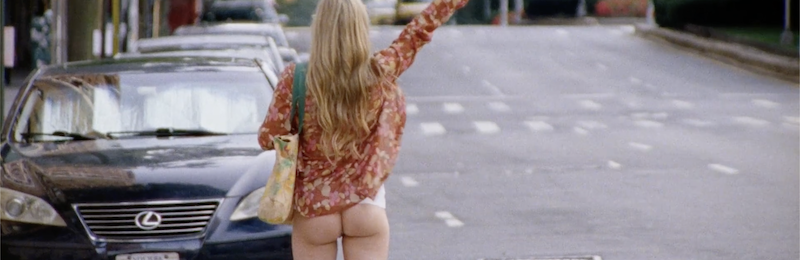
BH: The work we’ve done on Berlei has probably been the most rewarding, in terms of the impact and the feedback from women. Being able to progress a conversation and put more honest, positive and representative images out into the world is really important. Working with an iconic and brave brand like Berlei, there’s a responsibility to make better work for women. And humour is an important part of that connection. We’re talking about boobs after all. Despite all the injustices and negativity women have to contend with, we all want to laugh and feel good. It was also a great collaboration and opportunity to work with incredible female directors Kim Gehrig and Leilani Croucher, both super talented and fearless in their approach.
Also our work on MLA. Creating work that becomes part of a cultural conversation is really rewarding, and it was just so much fun writing it.
TS: What does it take to be a great art director? A great creative director? A great (successful) female in advertising?
BH: Be a person first, and a creative second is something I’ve learned from Monkeys co-founder, Scott Nowell. If you don’t keep your sanity, your own perspective as a human, you’re no good to anyone. Being fearless is really important too, a learning from co-founder, Justin Drape. His relentless positivity and optimism, the sense that anything is possible, has proven itself time and time again in some of the crazy, awesome things we’ve been able to do. If I can also bring that out in other people, I’d be very happy. These are both great lessons on being a female in advertising. I hope that one day the phrase, “female in advertising”, is as ridiculous as “ginger-haired person in advertising”. Male or female, your success as a creative comes down to what you’re passionate about, as well as finding and trusting in your own unique voice.