The Stable is based in Sydney, Australia. Shortly after Australia was rated the worst-performing country on climate change policy in the 2020 Climate Change Performance Index, it got a wake-up call from Mother Nature. As of January 6, there were 277 fires burning in Australia, 136 of them in New South Wales (of which Sydney is the capital city), with 69 of those not contained.
Australian parliamentarians are still arguing about climate change, its effects and what Australia needs to do about it. Let’s assume that the planet can no longer take the abuse we’ve been dishing out and realise that WE have to change.
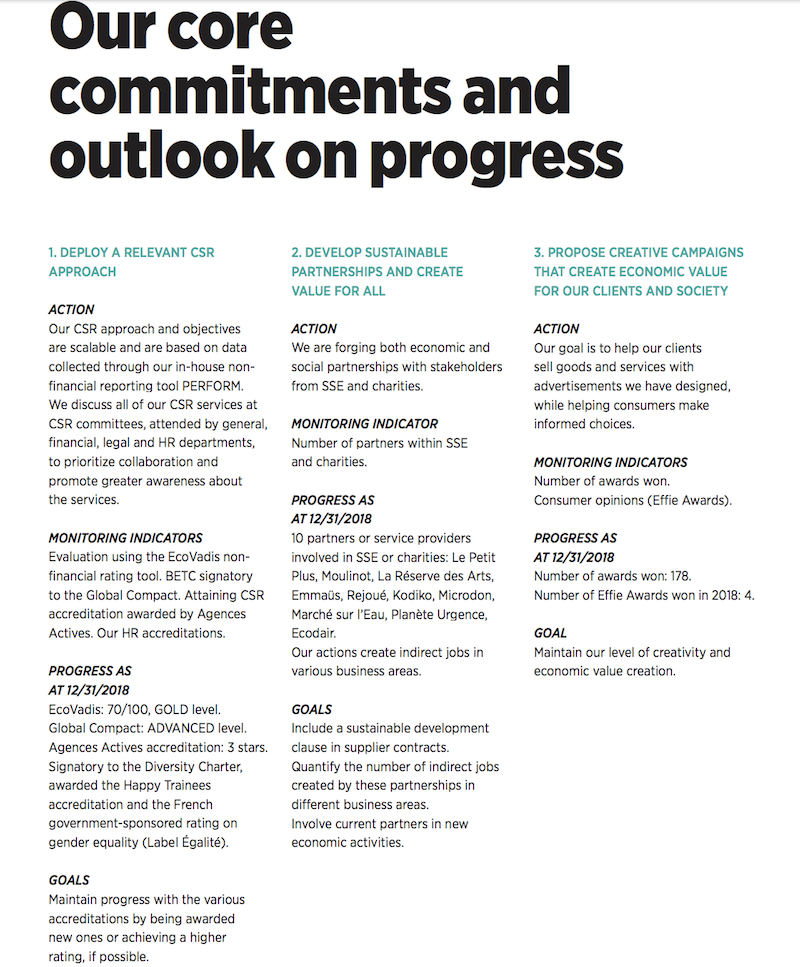
BETC has been a signatory to the United Nations Global Compact (Advanced level) since 2008. Its CSR responsibility spreads across the campaigns it designs and how they are produced as well as the structure of its company. It has developed a CSR strategy around four main areas: daily life at work, core business, commitments and culture.
To make these areas more sustainable, BETC has a team of three people exclusively dedicated to responsible operations. That extends from developing ways in which BETCiens (BETC employees) work in a more sustainable way (soft mobility, recycling, promoting biodiversity) to working with the core-business on responsibility in the advertising industry (message authenticity, eco-design, carbon offsetting for our products, CSR expertise). BETC develops a CSR culture among its employees by involving them in projects with links to the local community, quality of work life, diversity and inclusion.
“Sustainable development is a priority for BETC. We know that companies will be judged on their ability to embrace this shift in the market but, beyond that, this commitment is necessary because it is unifying and meaningful. We are no longer simply seeking to control the negative impacts of our activities, we are passionate about maximising our positive impacts,” stated Mercedes Erra, founder and president BETC Group.
In 2018, BETC was rated Gold with a score of 70 out of 100 by the extra-financial rating tool EcoVadis. BETC also obtained the highest rating of the Active Agencies CSR label launched in 2018. It is one of the first agencies to benefit from the label and to obtain three stars (the highest level). BETC is continuing to invest in its sustainable development strategies.
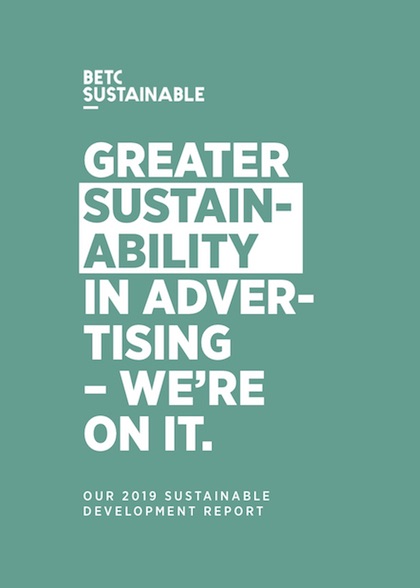
It has just released an 82-page sustainable development report that charts where and how its commitment to sustainability is working. Young creatives from the agency illustrated the main chapters that explain BETC’s responsible communication initiatives, its commitments and its impact. The report also includes testimonials from employees involved in CSR projects.
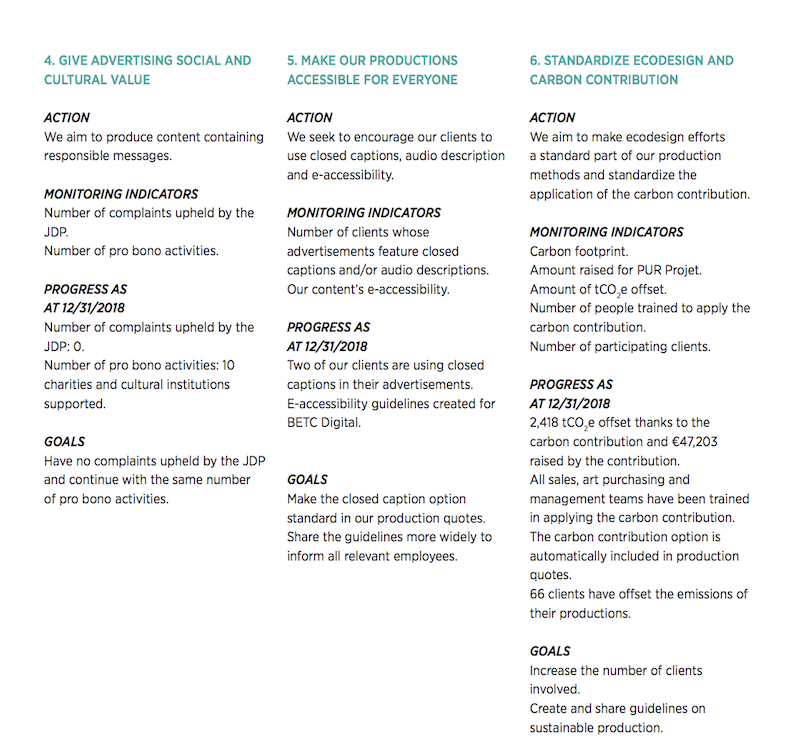
“The emergence of new media and stakeholders is creating a challenge for the industry. As a result, the industry’s role within society, how it operates and its professions have changed. It’s true to say that value created in the sector is no longer purely economic. It can be social too, as messages shared through advertising can shift attitudes and perceptions, and even change society for the better,” the agency explains in the report.
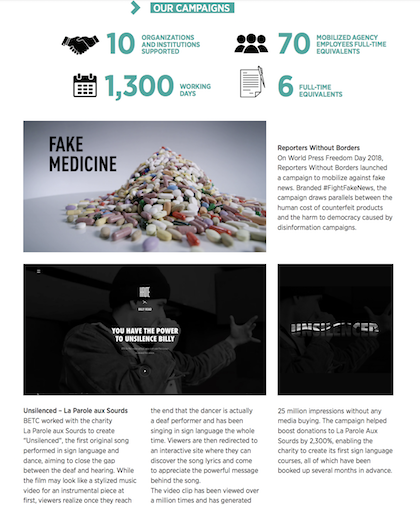
BETC’s commitment to sustainability includes the recruitment, training and career management of its employees. There is a support programme for its trainees (masterclass, workshops, conferences, BETC academy) and management training. BETC has policies to help it integrate people with disabilities, provide support for parents, and for refugees, particularly with the Kodiko programme supporting refugees search for employment.
The agency’s offices, Magasins généraux, are designed to adapt to the needs of its occupants while respecting the environment and biodiversity, with areas that change and transform during the day (different and varied workstations, rooftop gardens, the restaurant, canteen and café).
“The emergence of new media and stakeholders is creating a challenge for the industry. As a result, the industry’s role within society, how it operates and its professions have changed. It’s true to say that value created in the sector is no longer purely economic. It can be social too, as messages shared through advertising can shift attitudes and perceptions, and even change society for the better.”