Corey Esse has just spent the last two hours presenting Adfest’s Fabulous Four (top young directors) to a full audience. The managing director and executive producer of Finch in Australia and New Zealand has also spent the last three days judging Film Craft, New Director, Integrated, Innova and Lotus Roots.
If you’ve ever wondered what lights the Adfest judges’ fires, Esse is in the know. The Stable also wondered how Finch was nailing the challenge of a shifting production environment.
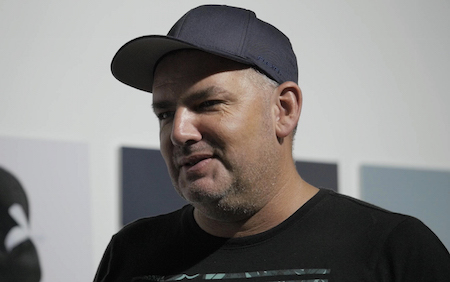
Fortunately Esse was happy to tell.
- New Directors. “There weren’t a lot of entries for us to judge and I think there’s a
real opportunity for production companies in the region to attend to those categories, get the work of the younger seen and potentially, to help them win a production Lotus. Because the quality of the work that was in there was good. There were a couple of pieces that didn’t feel like they were up to it but we were really happy with the finalists.
There’s even one piece of work that one in both New Directors and the main categories.
But in some categories we had three or four pieces to judge and that’s it. For me, focusing on young directors matters and I think that Adfest is a great way to launch them into the spiel and get them seen by a lot of people on Friday night, when a lot of agencies will gather at the awards presentation. Not doing so seems to be a missed opportunity.
What’s Your Why for Rebel Sport New Zealand. Finch director, Dave Ma.
- Film Craft. The number of long form entries two minutes and above has increased
phenomenally. The last time I did a big jury was Cannes about three years ago and the difference between then and now is striking. About two thirds of the entries were longer than two minutes. This really challenges the jury though. You end up watching a lot of very long pieces, whether or not they’re up to the level. You have to fight the laboriousness of it and it makes assessing work harder. From a consumer point of view, I wonder where some of this stuff lives. Some of the pieces we saw are really famous campaigns though so apparently people do sit there and watch them like soap operas in some countries, on a train or tram or whatever. Just maybe not in Australia?
The biggest challenge if you are going to go long, though, is keeping the craft up the whole way. That brings some of the work down. You can’t necessarily afford to detail a two-minute piece the way you would a sixty. So there’s a pro and con of going long and having all that duration. You also have more to analyse, so your performances can slip up here and there and that will drag you down form a judge’s point of view. Something that’s perfect in a shorter form will feel stronger. But there was one film in there that was long and stunning, picked up medals in several categories AND was really enjoyable to watch.
Day After for BNP Paribas. Finch director, Nick Ball.
3. Integrated. A lot of people entered Integrated but some of the campaigns were super-strong in one medium, but when they’d rolled out into other media they didn’t reach the same bar. To win a medal in Integrated, you really have to be great in all of them. If the work is amazing in one medium, it’s probably already won Gold in that medium where its real strengths are.
The car ad cliches that make DDB Sydney’s Skoda campaign stand out
4. Diversity. The challenge for a lot of the work is that you have to appeal to seven people from seven different countries and feel relevant to all these people. Sometimes, as a judge, you just don’t understand what’s going on and you really rely on those from other countries to help you understand the cultural significance of each of the elements. And I think that’s the good thing about Adfest. They do build juries with that right mix. Your jury will tell you if that person’s famous, what something means, what a song is, why something is relevant. That’s especially important with work from countries that have unique cultural rules like India and Japan. And this impacts Roots judging too. I was in two great ones. They were super fair. You’re also judging blind, you don’t know which work is whose. So you end up with a very fair show.
Choices for TAC. Finch director, Christopher Riggert.
5. It’s interesting times. Budgets are tight. But we’re ‘chin up and keep on going’. And we’re lucky to have a great roster of directors that people want to work with. The hard bit, with agency in-house production eating up the work that would traditionally go to a younger director, is bringing through young guys. And we’re prepared to invest in these new people to get them in and build them up. The problem here will be that you’ll end up with a bunch of new young directors who are being employed by agencies and being trained by agency people as opposed to production people. So you’ll end up with a bunch of directors with bad habits if the trend of having all the low stuff done by young agency directors continues.
We’ve had quite a dry couple of years when it comes to low budget content. But we’ve done some TV shows and focused on our entertainment division, which Michael Hilliard heads up. I think that clients are getting an appetite for what else is out there in the market place anyway. The other thing is VR. We’ve started to focus on doing true VR from a post-production perspective and that will become another point of difference for us. There’s not much competition here at the moment. We did a Defence Force project and pretty much doubled our VR team as a result of that.
We’re still doing our inventions. We did the Riderless Bike, which has been shortlisted at Adfest. And we’ve been working on other projects. But it’s very easy in this sector to end up not making anything. You have to wait for the ones that really do have enough money behind them to make it all the way through.
The Riderless Bike for The Steve Waugh Foundation’s The Captain’s Ride
We also have a secret project that will pretty massive if it gets up. Something that Rob [Galluzzo] came up with.
Thank you for the teaser ending, Esse. When it happens, The Stable will tell its story.
You might also like