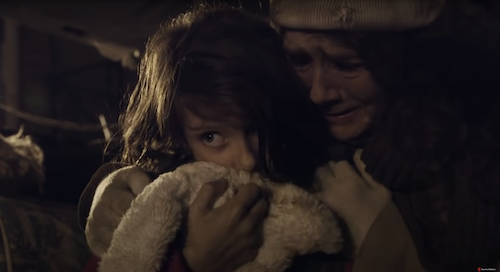

Eight years ago, Don’t Panic created a commercial for Save The Children called Most Shocking Second a Day, to bring the plight of Syrian child refugees to the world’s attention. It follows a young girl through the course of a year, using the one-second-a-day format to staggering effect. In the 90-second film, the audience first sees her celebrating a birthday in the comforts of a suburban, British home, before she begins to experience the effects of civil war on the streets of London, leading her life to crumble around her. It ends a year later and with her coming to terms with being a homeless, fatherless refugee.
The “Most Shocking” in the title was not hyperbole and the commercial went viral globally. It has been watched more than 100 million times. The film produced mainstream media headlines and received amplification from a host of celebrities including Ashton Kutcher. The film went on to win a string of industry accolades including a Cannes Lions Gold Cyber Lion award, a Webby award, two Lovie Awards and two silvers at the Campaign BIG Awards. The film also revolutionised charity campaign films by embracing a storytelling approach, over problematic depictions of real people in a crisis.
The same message is equally relevant today given the plight of children in Ukraine. Don’t Panic and Save The Children have re-released the video.
More than 5 million people, many of whom are children, have now fled the violence in Ukraine to neighbouring countries, and the escalation in hostilities in recent months has put at least 7.5 million children in grave danger of physical harm, severe emotional distress and displacement. The risk to their mental health and potential for long-term trauma cannot be underestimated. This is in addition to the estimated 35 million forcibly displaced children globally as of the end of 2020.
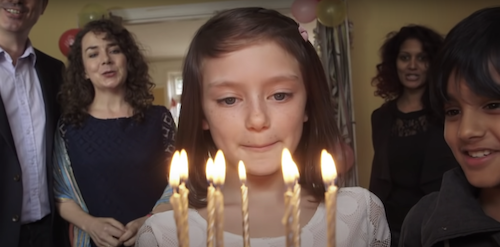
The film is a reminder that just because it isn’t happening in your own environment doesn’t mean it isn’t happening in someone else’s.
“The film takes place in an average, suburban setting that’s very familiar to audiences. This context brought the suffering in Syria home in an emotive way that triggered empathy. This setting also means the film is very adaptable and will hopefully elicit a similar response from viewers regarding the devastating crisis in Ukraine, and Save the Children’s work across the region,” stated Joe Wade, co-founder, Don’t Panic.