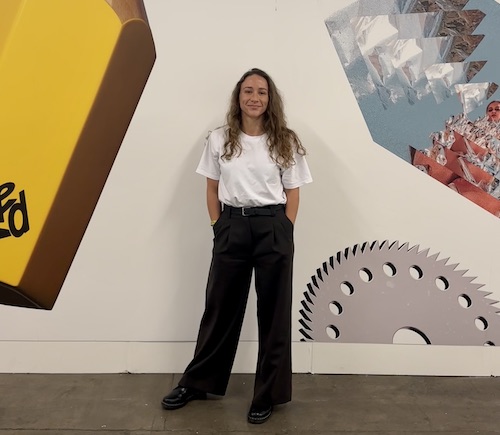
Millicent Malcolm, writer & director at The Glue Society, was a D&AD judge on the Branded Entertainment jury. She brought back some keen observations as well as the implications they have on brands finding their authentic voice. Here are her thoughts:
In the past year, more and more our industry has been combining causes with brands.
And this is potentially a really good thing.
But my week at D&AD judging Branded Entertainment showed me what’s even more important is recognising that for this not to be tokenistic, representation goes beyond what’s seen on camera. It’s about having diverse voices shaping ideas and making them a reality, including in the jury rooms.
There’s been a heated debate on industry blogs about whether individuals are on a jury based on merit or to fulfill diversity quotas. As a queer female writer-now-director who hasn’t specifically won a Yellow Pencil (yet), I’ve been part of these discussions. It’s a complex issue rooted in systemic challenges. If we don’t actively hire, provide opportunities, and promote diverse talent, they won’t have the chance to shine and win awards. But it’s not just about award shows. It’s about acknowledging and celebrating achievements outside of those events and the causes we advocate for as an industry.
I experienced firsthand the importance of diverse juries during my time on the Branded Entertainment Jury panel. We had people talented in their own right who were also from various causes the advertising industry focuses on, such as Black Lives Matter, Women’s Equality and LGBTQI+ rights. It made us question the authenticity and truth of the work we were judging and shed light on important aspects that might have otherwise been overlooked. Moreover, having younger jury members and industry experts in specific niches brought invaluable insights. For example, a social media campaign initially overlooked gained recognition when a fellow social media expert on the jury highlighted its strengths. It stuck with me when our jury head, Jimmy Smith, said, “I don’t want to be the panel that voted something out because we didn’t understand it.” It’s true – we often lack understanding when something isn’t part of our own experience. As an industry, it’s time to learn to ask questions and seek understanding about the people and causes we discuss.
One standout moment was the audio entry, Missing Matoaka. It featured an alternative audio track telling the true story of Pocahontas about colonisation, starting with her real name, Matoaka. The piece was written by indigenous writers and performed by indigenous actors. Some wondered if it would have been better if Disney had taken on the project. But the fact that this charity pulled this off without legal repercussions from the mega conglomerate is even more impressive. There were discussions about the clunky website or its lack of extensive promotion. However, our focus should be on judging the idea itself, not the financial resources a not for profit may have for website development.
While a lot of us think we know, a key takeaway from the jury experience was also understanding what branded entertainment is – How do we define it? And more importantly, how do we judge it? Jimmy summed it up perfectly with a simple question, “Would you pay for it?” This perspective completely shifted my point of view. Would Netflix be eager to showcase your film on its site? Would people willingly buy tickets to attend your event? Would ESPN stream your collaborative sports project?
Documentaries, music videos, events, and culturally relevant pieces are the type of work we all want to make. But for our work to truly become part of culture, it must be something that people genuinely want to engage with.
A prime example was McEnroe vs McEnroe, a live tennis match streamed on ESPN. It featured John McEnroe competing against AI versions of his younger selves. Initially seen as a gimmick in the room, it quickly became one of the most compelling experiences. ESPN broadcasted the match in 52 countries, and people flocked to watch it. The cutting-edge technology used to blend the real and digital worlds created an irresistible entertainment experience. And it definitively answered the question: Would people pay for it?
D&AD, the world’s most coveted creative award, firmly believes in authenticity. It embodies authenticity through the works it honours, the diverse juries it assembles, the enlightening talks it hosts, and the educational programs facilitated by its charity, including Shift. Supporting and amplifying diverse voices to tell our stories is of utmost importance to it. And it can be to all of us.