Oatly’s flair for provocative humour has found its way to Australia again. The campaign, Support Your Local Oat Dealer, has a good heart and just a hint of classic Oatly. It’s a call to support local cafes and baristas, while also helping Aussie in the current tough economic times. The campaign spotlights some of the best cafes and baristas Melbourne and Sydney have to offer.
But the campaign extends into Oatly wildness with some fun, tongue-very-firmly-in-oat-filled-cheek, a 1800-OATFIX hotline for consumers. This piss-take of the standard 1800 numbers, offers customers the opportunity to hear oats mooing, leave a message or, for one week only, redeem a code for a free coffee at participating local Oat Dealers cafes.
Hazelle Klønhammer, brand director, Oatly APAC, stated, “Our idea is to riff on urban vernacular and literally call out individual local Aussie baristas, or Oat Dealers if you will, and the cafes they work at, by name, image, and cafe address on their own posters and plaster them across Melbourne and Sydney.
“Rather than spend our marketing budget entertaining people with our usual Oatly advertising, we’ve
chosen to help the community, by shining a spotlight on the cafes and their baristas to help support their
business by driving consumers directly to their cafes. And to help consumers, by surprising them with a
free coffee.”
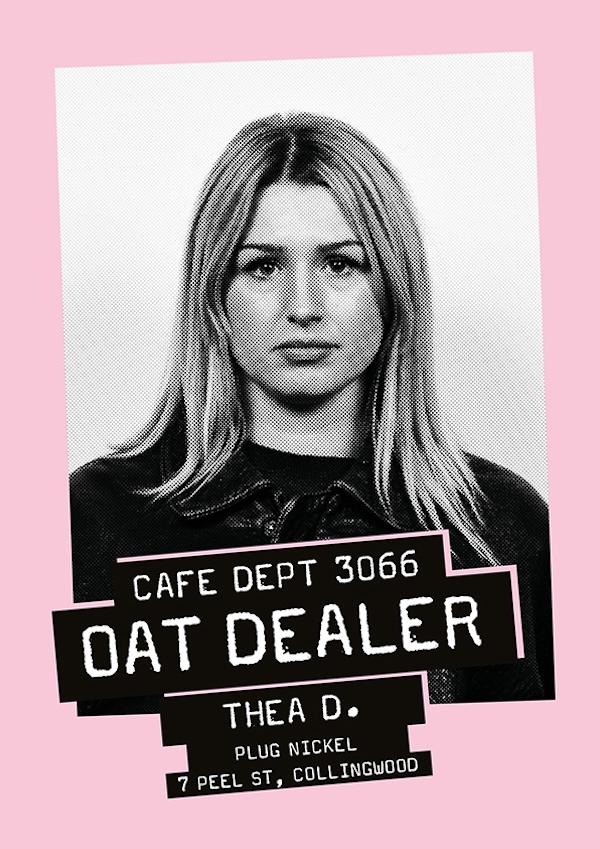
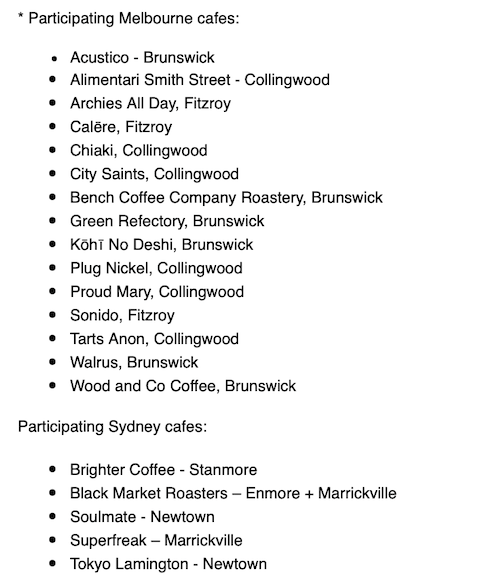
Aussies can pick up a free Oatly Coffee at a participating Oat Dealer Café, September 16-22
2024.
Behind the campaign is The Oatly Great Barista Survey, a survey of Oatly’sMelbourne and Sydney baristas to get a better understanding of the café culture scene in Australia. Key findings include:
- 65% said it’s all because of the community and friendships they build in their job.
- 26% say rude customers give them the ick.
- 26% share their biggest ick: customers placing orders whilst on their phones.
- 56% would choose to make an oat milk coffee all day long if they could.
- 43% confirm what we were all thinking; Gen Z & Millennials are leading the pack when it comes to ordering alternative milks.
- 21% say location is the biggest barrier to plant-based milk access for consumers.