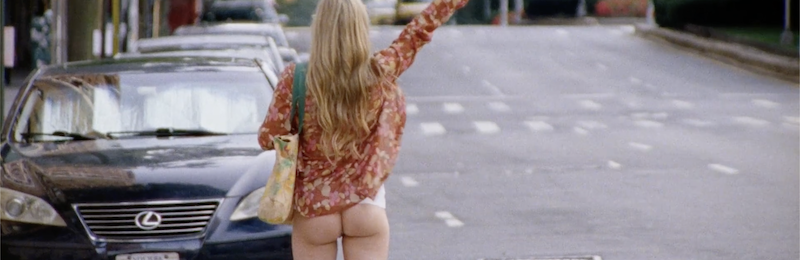
Lifeline looks like an ordinary tote bag. But it wasn’t created to be convenient. It was created for survival. Hidden inside is a flotation system adapted from life-jacket technology.
Lifeline is not for sale. It launched at the beginning of Climate Week, a piece of cultural commentary disguised as something useful. Lifeline is a statement about the resilience of New York, a city that continues moving through disruption, while also pointing to a reality still widely ignored – that climate change is already reshaping daily life. Developed by a collective of New York artists, led by Philip Le Brun, artist & creative director and Gabriela Mestriner, artist, designer & architect, it exists as an act of protest, performance, and public warning.
“We took the most ordinary object, a tote bag, and reimagined it for a city on the front line of climate change,” stated Philip Le Brun.
The work responds to the increasingly blurred boundary between ordinary life and environmental emergency – rising waters, extreme weather, flooding, and a changing climate becoming part of the backdrop to everyday urban existence.
In the last few years, New York has felt the extreme results of climate change. Nearly 200 NYC subway stations have flooded in major storms over the past few years. Hurricane Ida in 2021 killed over a dozen people, dumped a record of more than three inches of rain in a single hour. More record-breaking storms hit in 2023 and again in 2025. The system was designed to handle a bad flood once every five years. Now these happen almost every year. Just this summer there have been two severe weather warnings per week from June through August.
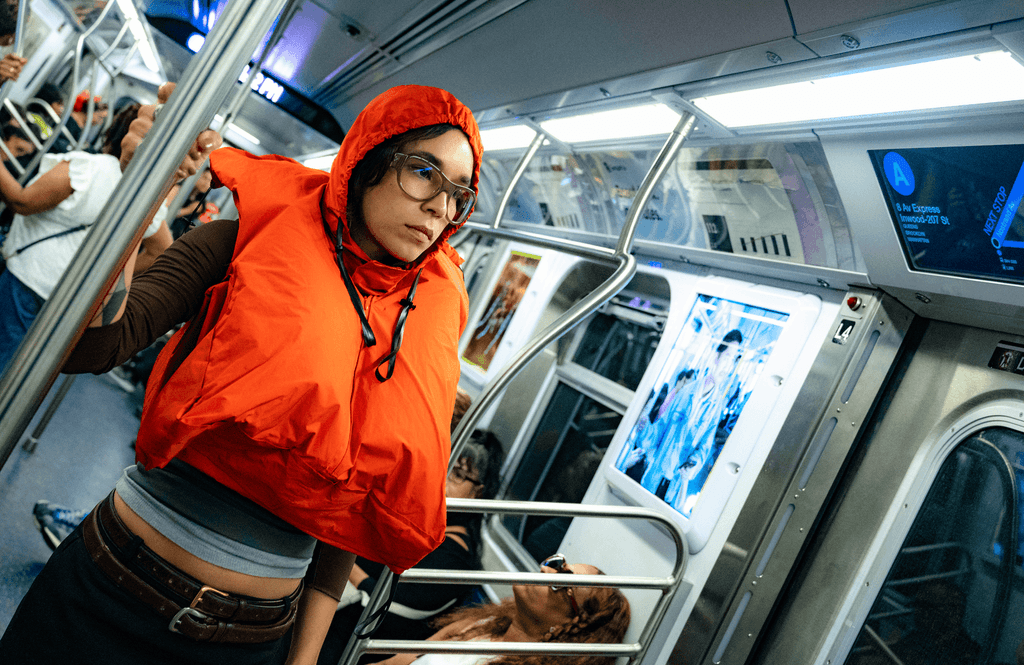
“The transition from an ordinary bag into an emergency object creates a rupture, bringing contrasting conditions into tension: convenience and emergency, consumption and survival, privilege and vulnerability. Here, disparities sit side by side, even as their weight falls unevenly across bodies, communities, and geographies,” Gabriela Mestriner commented.
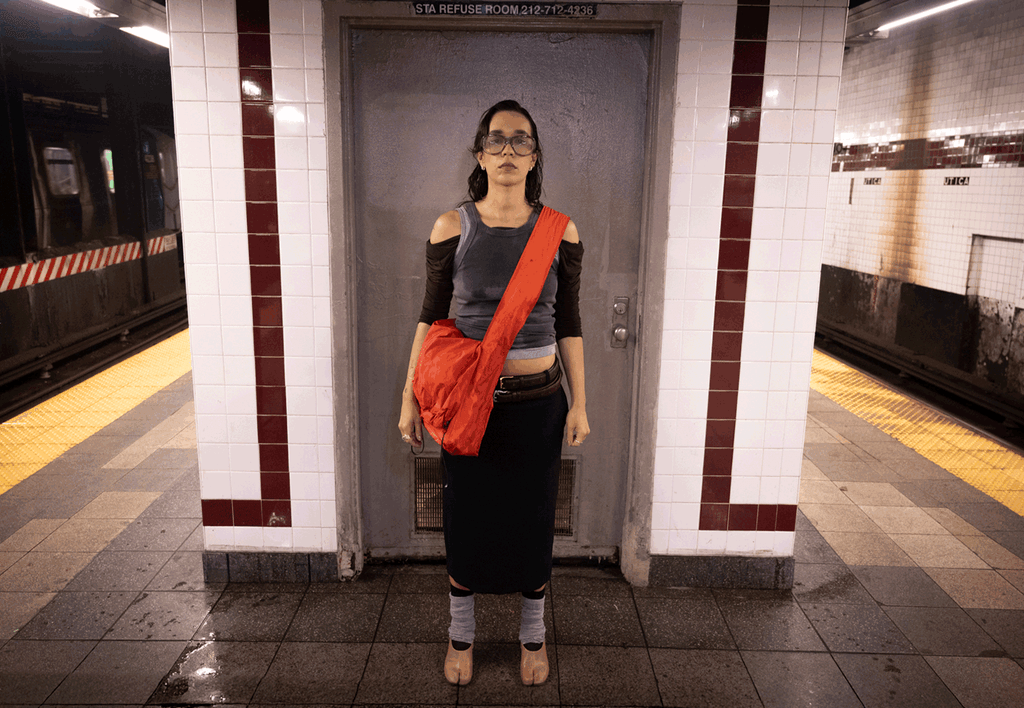
The entire Lifeline campaign was human-made, from the bag, to everything captured. The first prototypes developed from a single rain jacket. A single upcycled life vest was added, heat-welded to accommodate instant inflation. The final softgoods were three yards of nylon, two invisible polyester zippers, four yards of black cord and four adjustable metallic locks. The entire process was manual and local, emerging through cycles of making, testing, dismantling, and adapting rather than a predetermined form.
Credits:
Phil and Gabriela are co-creators and the concept was brought to life by a group of artists who work collectively.
Concept & Creative Direction: Philip Le Brun
Art Direction, Bag Design & Performance: Gabriela Mestriner
Film & Editing: Jack Inzer
Photography & Image Production: Emmett Orgass
Visual & Interactive Design: Julia Albuquerque
Stylist: Lucila Hernandes