My gosh, we in Australia have heard a lot of voices about the Indigenous Voice to Parliament (whether to change the Constitution to allow an Indigenous voice in Parliament). Emotive – from pleading to angry, often nasty, always opinionated, sometimes bending the truth voices. The referendum is less than a week away. Australia is very divided. I’m a voter. I’ve listened to other voters. Many of us are simply confused. The “No” advocate at my local polling centre asked me to vote no (early) because “it will change the Constitution and that’s very bad”. Opinions have overwhelmed facts (not that many facts have even been given to us).
According to polls, much of the No vote support is being fuelled by this confusion. Information about what a Yes vote entails is sketchy and the contest has become more a slinging match than an informed debate.
The Hallway is sharing something different from the emotive arguments in the news and advertising that has been released to date. It has launched a film to the media called, Don’t Listen to the Galahs, in a bid to appeal to the advertising community and media to ignore the vitriolic commentary coming from both the “Yes” and “No” sides of the Voice to Parliament debate and have respectful, well-informed conversations.
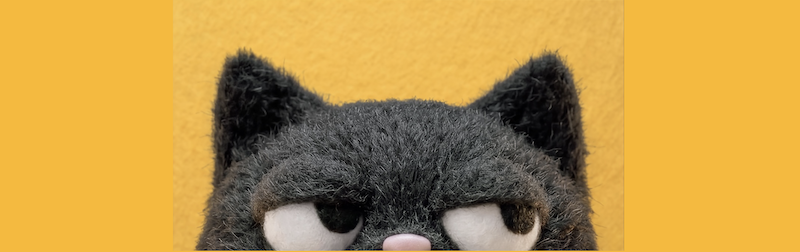
The two minute animated film features an emu and a kangaroo talking through the pros and cons of adding The Voice amendment to the Australian Constitution, while in the trees above them “Yes” and “No” backing galahs screech insults at each other.
Don’t Listen to the Galahs was released on social media on September 18 and has attracted coverage by a number of national news platforms including Sky News, news.com.au and The Australian. The agency hadn’t intended for trade media to be a focus, but changed tack after observing the streams of vitriolic comments from both “Yes” and “No” camps in reaction to Voice Referendum ad campaign releases.
The Hallway chief creative officer & partner, Simon Lee, stated, “Our own industry community seems to be a microcosm of the way the national Voice debate has descended into a battle for who can shout their case the loudest. This is a damaging and sadly well-trodden path which far too often sees the all-important facts get lost in the noise. Our hope is that our “Galahs” film may play a part in encouraging our industry peers, and the broader Australian community to block out the vitriol and have the conversations that will help them make a fully informed choice on October 14.
“If you agree with the intent of this film, please do share it widely.”