
There are areas in the UK where domestic violence is especially prevalent… and letting local people know where to find help is especially important.
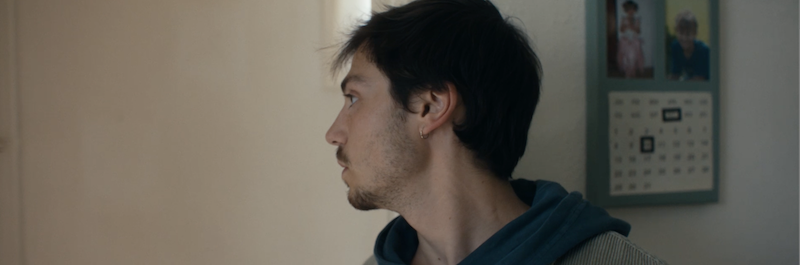
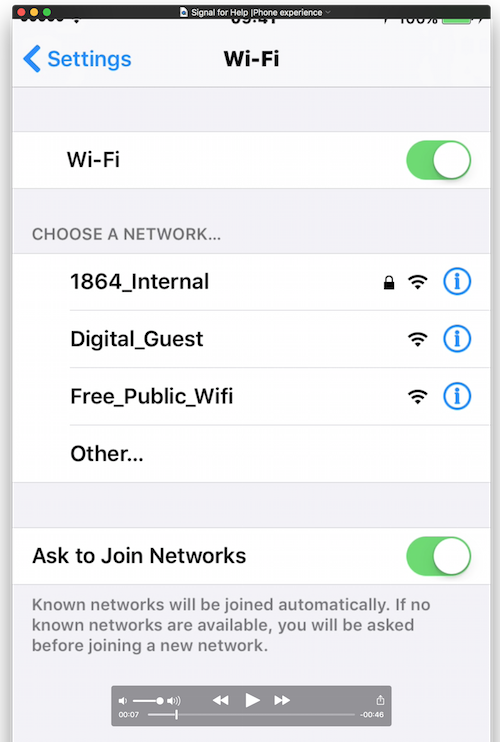
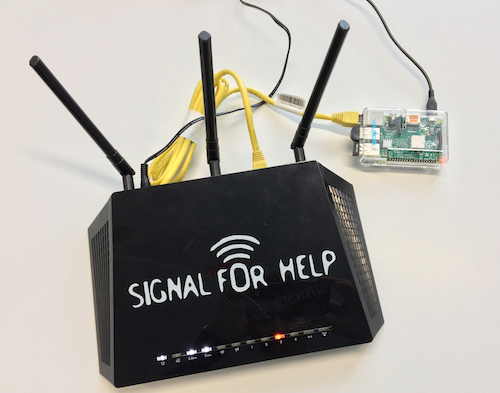
So J. Walter Thompson London creatives, Will Wright and James Lucking, have been travelling to these problem areas and plugging in a Wi-Fi router which, instead of offering internet connection, delivers the unsuspecting public an apparent Facetime call with a woman who is about to become the victim of domestic abuse.
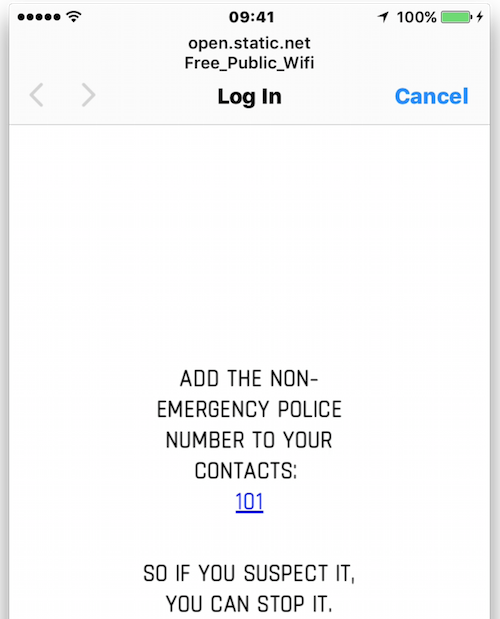
Signal for Help appears to offer unlocked Wi-Fi. But when people connect, they reach not a login but a dramatic short film of a woman pleading for help before being cut off.
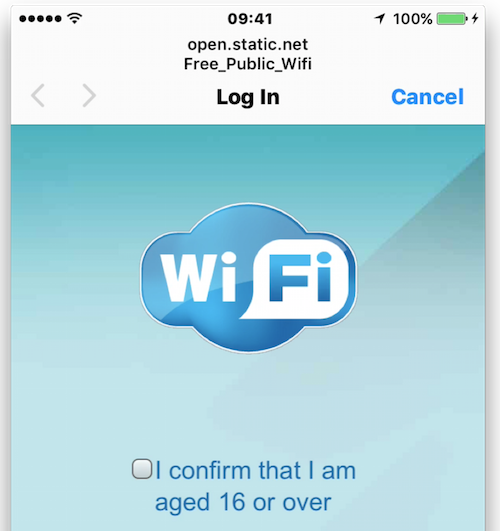
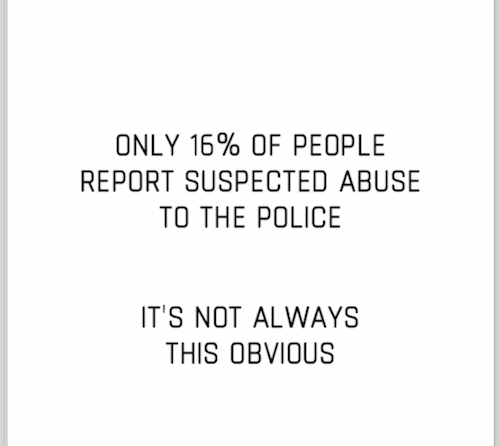
A statistic then tells them, “Only 16% of suspected domestic abuse is reported to the police.” As the film ends, the user is given the opportunity to save the non-emergency police number 101 to their phone so if they are ever concerned about domestic abuse they have the number to call.
Wright and Lucking, created the router then travelled around the country specifically targeting towns and cities which have the highest reported incidents of domestic abuse and plugged the router in at high footfall areas.
Their Signal for Help campaign was created for the Bede House, a Southwark-based charity that supports local people by helping them create better lives for themselves, their families and their communities and will be running as long as the charity feel it is effective.
Lucas Peon, the executive creative director of J. Walter Thompson London, commented, “It’s a deeply shocking statistic we feel needs to be tackled putting our best thinking to work. It was vital that we found a solution that went beyond just raising awareness and actively empowered people to act. After watching something so shocking, the action we’re asking for is so simple I can’t imagine who wouldn’t do it. It’s a serious solution, for a serious problem.
“Using free Wi-Fi as the hook allowed us to unexpectedly deliver the message and gave us the ability to be targeted in our approach. The film feel is purposely disruptive and personal which suits the mobile format and motivates viewers to save the number to their contacts.”
Nick Dunne, Director of Bede House, added, “Bede was founded in 1938, so we have deep roots in this community. As society changes, we continue to seek new ways to reach those most in need. This project interests us because it explores the potential of modern communication methods to “break the silence” that surrounds domestic abuse and enable more people to find effective help to live safely.”
Credits:
Creative agency: J. Walter Thompson London
Executive Creative Director: Lucas Peon
Creatives: Will Wright & James Lucking
Technical Architect: Adam Pooler
Creative Producer: Laurie Carter
Director: Connor Pearce
Senior Developers: Vicki Keeley & Julian Graheme
Editor: Stefano Nurra