
Millward Brown’s study, AdReaction: Video Creative in a Digital World, shows that multiscreen users spend more time watching video on digital screens than on TV, but are less receptive to digital advertising.
On any day, in any city in the 17 countries in AMAP (Asia Pacific, Africa and the Middle East) most people will be “connected”. Millward Brown’s study of more than 13, 500 consumers found that multiscreen users, 16-45, spend 220 minutes a day watching video on TV (live or on-demand), laptop, tablet or smartphone. 56% of that video consumption is on digital screens (smartphone, laptop or tablet).
Millward Brown had gone looking for the answers to how, where and why do people view video? When are they more receptive to advertising? And which creative approaches work best on each screen?
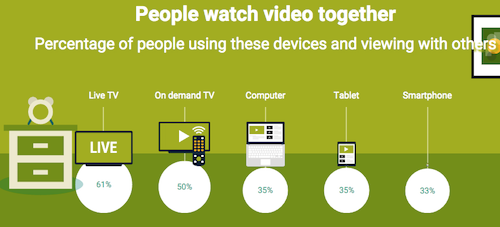
This is what the study found out:
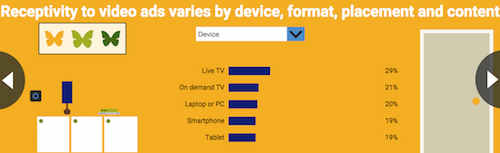
- AMAP consumers are generally more receptive to advertising messages in their video content than their global counterparts, however ads in live TV still fare best. 38% of AMAP multiscreen consumers were favourable to ads on live TV (29% globally), compared to 29% in on-demand TV (21% globally), and 26% on tablets, laptops and smartphones (19-20% globally).
- Consumers feel that they have more control over digital ads than TV ads, with the majority believing the laptop gives them the most control (63% globally and 68% in AMAP)
- Skippable pre-rolls (34% favourability globally and 39% in AMAP) and skippable mobile app pop-ups (31% globally and 38% in AMAP) are viewed much more favourably than non-skippable mobile app pop-ups (14% globally and 19% in AMAP) and non-skippable pre-rolls (15% globally and 19% in AMAP). The most popular ad format is mobile app reward videos (49% globally and 52% in AMAP).
- People are receptive to targeting, but don’t want to be stalked. Consumers are most receptive to video ads targeted based on their interests (41% globally and 46% in AMAP) or preferred brands (40% globally and 45% in AMAP) and least receptive to ads based on their web browsing history (25% globally and 29% in AMAP). Sensitive application of targeting is likely to work best.

- Context matters. With negativity toward video ads on smartphones at 49% globally and 37% in AMAP, advertisers need to earn the right for attention. 29% of consumers globally said they were less likely to skip, and pay more attention to, online video ads that offer rewards, and they were most receptive to skippable and click-to-play ad formats that provide control over what they see.