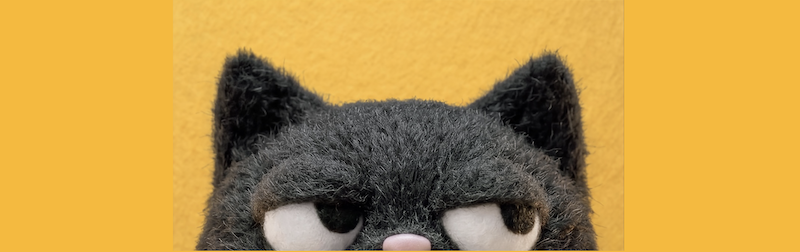
In Spain, more than 30,000 cats enter shelters each year but only about 40–45% are adopted. Purina collaborated with behavioural scientist, Richard Shotton, to find out why some cats are consistently overlooked. The answer lies in the Halo Effect – a cognitive bias where we let one visible trait, like physical appearance, shape our overall judgement. Cats that appear healthier are also subconsciously perceived as more sociable, more playful, and ultimately more “adoptable”. Meanwhile, cats that show signs of a tougher life, dull coats or tired eyes, are unfairly judged across every dimension, regardless of their true personality.
Purina and agency, AFG&, set out to challenge that bias.
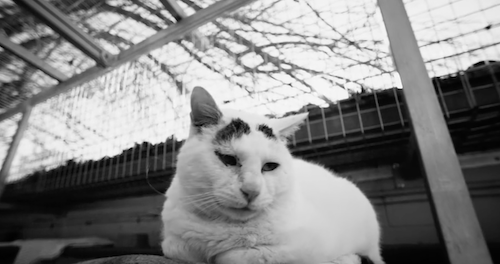
Working with shelters, the brand donated Purina ONE for three weeks and documented the cats transformation. As their coats became shinier, their eyes brighter and their overall health improved, so did the way people perceived them. These real transformations became the centre of an experience, where visitors encountered the same cats before and after, confronting their own first impressions in real time.
This resulted in a 56% increase in adoption interest and 81% of people reconsidered the way they look at shelter cats. THE UNADOPTABLES turned a simple product truth into a powerful behavioural shift, showing that when health becomes visible, perception changes, and so do outcomes.