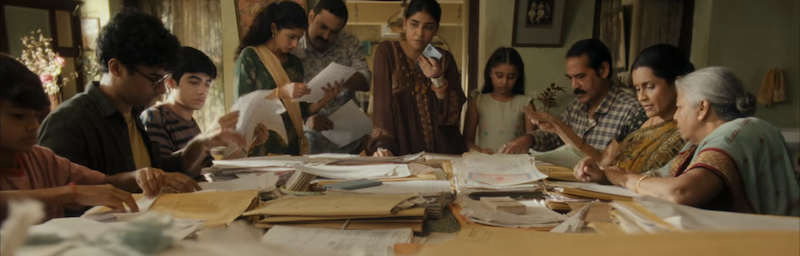
99% of women in Pakistan are denied at least one key marriage right in their Nikahnama (a marriage contract used by the global Muslim population).
The Centre for Human Rights (CFHR) in Pakistan, via agency And The Nerve, want this changed.
“While religion allows a woman to stipulate multiple demands in her contract (i.e., the right to divorce without having to go to court, the entitlement to financial support from her husband, and the right to pursue employment or further education), culture dictates that women are kept on the sidelines, with male officiants and male members of the family stepping up to decide what goes into it – going as far as callously crossing out the clauses that allow for the aforementioned rights – a practice that continues despite being criminalized by the law,” said Sevim Saadat, co-founder of Centre for Human Rights.
So in this year’s annual initiative to raise awareness about women’s rights in the marriage contract, non-profit the Center for Human Rights chose the wedding season as the ideal time to draw attention to what it is essentially a criminal practice.
The South Asian wedding season is typically ripe with bridal launches, with everyone, from shoe brands to cola companies, wanting in on the action and revenue. So, in a clever misdirect, when all eyes were on bridal fashion launches, CFHR and leading bridal wear designer, Fahad Hussayn, mock-launched an unwearable thorn-studded jewellery line.
Hira Mohibullah, co-founder and creative lead at And The Nerve, explained, “The thorns worked as a haunting double entendre: the word kaanta in Urdu means both ‘thorn’ and ‘a cross on paper. This duality served as a reminder to women that every cross they allowed on their contract could be a potential thorn in their marital life.”
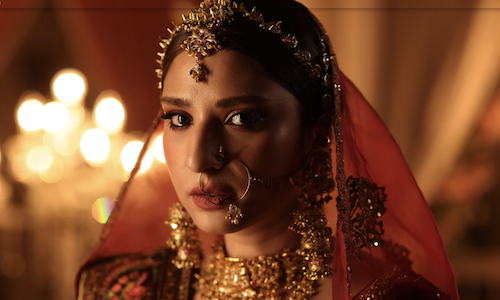
The jewellery line was revealed in a film, leading many to believe it was an actual product launch, only to discover a twist. The film featured a bride at her signing ceremony, removing the thorn-laden jewellery before it could inflict any further damage. The film concluded with a helpline number, offering brides-to-be a way to better understand the terms of their own contracts.
“The jewellery was carefully crafted by breaking the harmony of traditional jewellery design, allowing for the disruption caused by the thorns: a piercing symbol of the damage these kaantay (thorns/crosses on paper) could cause in a woman’s married life,” stated Fahad Hussayn, director at Fahad Hussayn’s brand, The Menagerie.
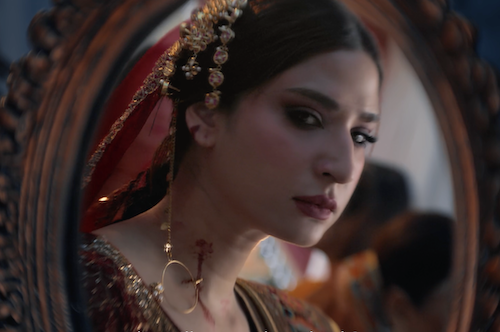
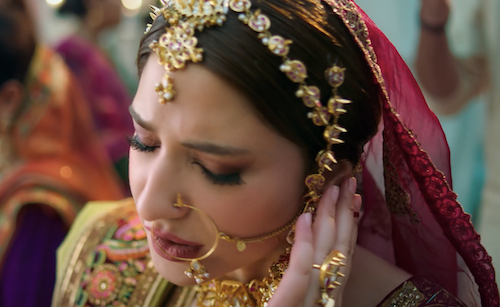
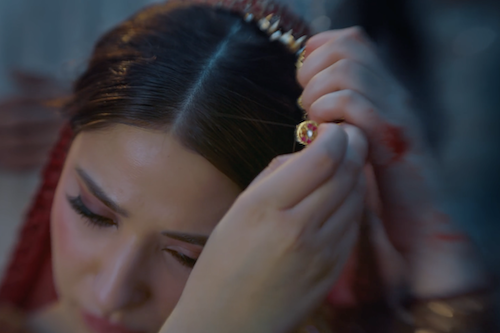
To prompt legislative action, unwearable bangles were sent out to parliamentarians so they could enforce and advance the existing law in their respective jurisdictions.
Finally, to move the campaign to the grassroots level, CFHR partnered with Depilex (Pakistan’s leading chain of bridal salons). The film was played at more than 30 locations – both remote and central – on its internal network, prompting the girls to call the helpline when they have the most free time, right before their wedding, at the makeup station.
With the wedding season still ongoing in Pakistan, the campaign has been able to educate women and their families to take back control – with the helpline already receiving multiple queries from brides-to-be wanting to understand their rights.
Credits
Client: Centre for Human Rights
Agency: AND THE NERVE
Strategy Director: Daniah Ishtiaq
Creative Director (Copy): Hira Mohibullah
Creative Director (Art): Fahad Hussayn
Jewellery: The Menagerie (by Fahad Hussayn)
Director: Ibrahim Baloch
Producer: Irtaza Zaidi
PR: Walnut Communications
Photography: Nadir Firoz Khan
Art Director: Habeeba Gillani
Onground Partner: Depilex