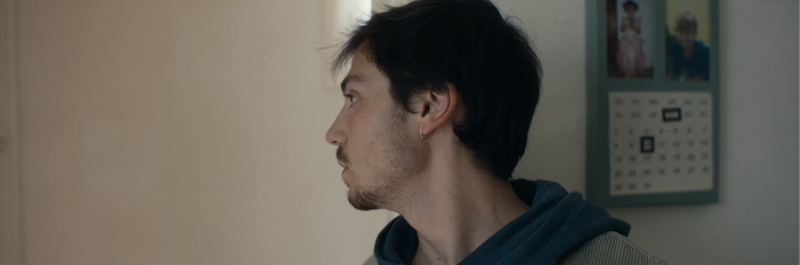
“Use your evil powers for good,” Akers has always told adland. His #smearforsmear campaign (doing good for cervical cancer awareness) is being called the new Ice Bucket List worldwide.
UPDATE January 29: Ben Akers’ #smearforsmear campaign is being called the new Ice Bucket List. It has been picked up by Elle, Glamour, Cosmopolitan, the Huffington Post, The Independent, Daily Mail and ITV…Rita Ora and Gerogia May Jaggers are fans.

This is its story:
Ben Akers is no longer creative director of Republic of Everyone. He went home (England) last year and is now creative director at Chief Productions.
The D&AD White pencil judge is still alive and kicking around inside him, however, and over the long weekend he sent me this message:
“A little idea I did for a mate.
Seems to be going down well.”
“Seems to be going well” is something of an understatement for the campaign, #SmearForSmear. By January 26, it had achieved a reach of 26 million on Twitter, 5,000 had used the hashtag and there were 700 Instagram uploads. It has also been covered in the Huffington Post, the Independent, Daily Mail and ITV (among others)
What was Akers’ idea?

Share a selfie with lipstick smeared on your face, then nominate friends to do the same, to spread the word about cervical cancer and its prevention for Jo’s Cervical Cancer Trust, the largest cervical cancer charity in the UK.
UPDATE JAN 28: 26 million people created smear selfies in 24 hours and there were 10,000 Instagram likes in its first hour. The rich and famous have got on board, which means the campaign will go on to reach even greater heights:


The campaign is for Cervical Cancer Prevention Week, which began on January 25 in the UK, and follows figures showing that more than a million women failed to take up the offer of a smear test in 2013-14.

All women aged between 25 and 64 in the UK are invited for cervical screening every three to five years, to detect abnormal cells which, if left untreated, could lead to cancer in the cervix. Sadly, the percentage of women taking the tests is declining. On March 31 2014, the percentage of eligible women recorded as having been properly tested at least once in the last five years stood at 77.8%, down from 78.3% a year earlier and 80.6% a decade ago. More concerning is that the percentage was just 63.3% for women 25-29.
You might also like