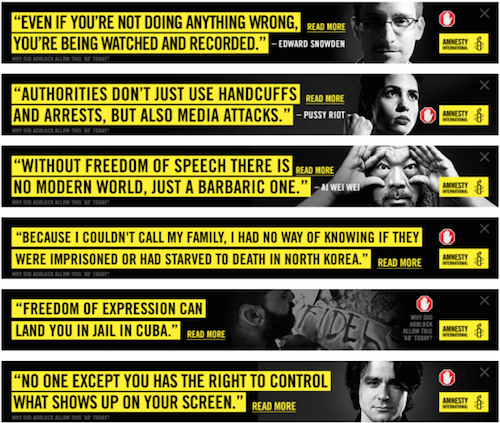
How much more powerful can you make you censorship protest than by getting AdBlock to publish it online? That is what Amnesty International has done for its campaign for World Day Against Cyber Censorship on March 12. Well done, Colenso BBDO.
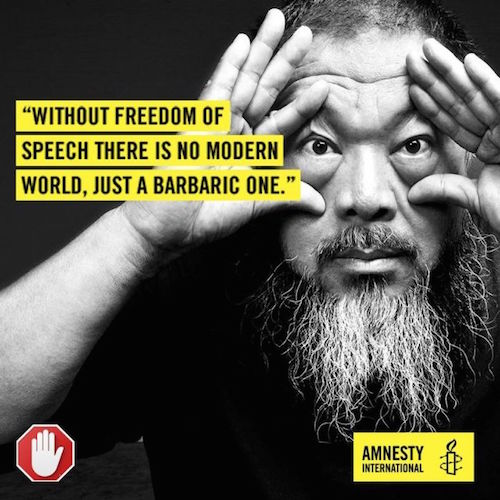
The campaign messages that expressed the views of activists like Edward Snowden, Ai Weiwei and Pussy Riot were served throughout Saturday March 12 to AdBlock’s 50 million users throughout the world. AdBlock chief executive officer, Gabriel Cubbage, had pledged to replace many of the banner ads the software would normally remove with Amnesty International’s ads. The messages clocked through to content from people whom governments have tried to silence.
Cubbage explained his company’s thinking in an AdBlock blog post, “Right now, there are billions of people whose access to internet content is restricted and monitored by their own governments…
“We can see the need for strong protections for digital privacy in the news here in the US. In its investigation into the San Bernardino terrorist attack that occurred last December, the FBI recently ordered Apple to weaken security on all iPhones, including yours. Apple’s counter-argument? That forcing them to officially sign off on a piece of software they don’t want to make, specifically intended to make the iPhone less secure, amounts to forcing “speech against their will”, an injustice so rare and draconian, it’s almost without precedent…
“…no matter where you’re from, there’s no guarantee that either technology or legislation can protect you from your own government.”
In his Amnesty International message, Edward Snowden, for example, exposes the extent of the US government’s global surveillance, “Even if you’re not doing anything wrong, you’re being watched and recorded.”

In Freedom on the Net 2014, the fifth-annual report released by independent watchdog organisation, Freedom House, found that online freedom in 36 0f 65 countries assessed decreased between May 2013 and May 2014.
In the last year, Denmark, Finland, France, the Netherlands, Pakistan, Poland and Switzerland have drafted intelligence laws to increase their ability to spy on communications. China and Kuwait have passed laws criminalising or restricting some online content.