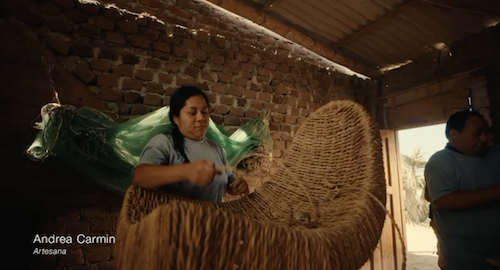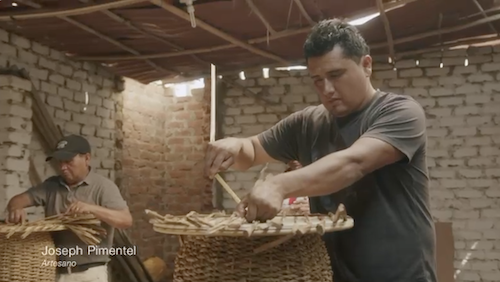

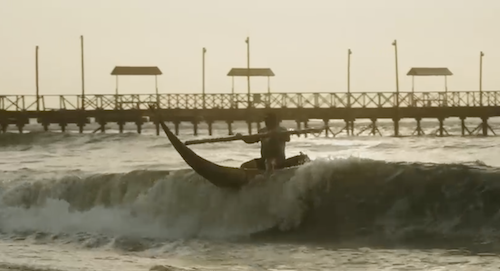
In Huanchaco, a coastal town in northern Peru, around 40 artisan families still build caballitos de totora – traditional reed boats used for fishing for over 3,000 years. However, declining demand for these vessels has put both the craft and the livelihoods it sustains at risk. Rather than reinventing the tradition, Corona and Leo Lima have reimagined its application.
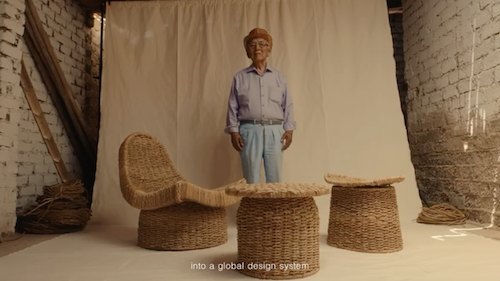
By using the same ancestral weaving techniques, artisans now produce chairs, tables and benches designed for commercial use in bars. Each piece is handwoven and can take up to a full day to complete, ensuring both authenticity and durability. To date, the initiative has furnished 10 Corona bars across Peru and Colombia, supporting 40 artisan families, with plans to scale to more than 20 bars in at least five countries by 2027.
“Tradition didn’t need to be reinvented, it needed to be connected to a real need,” stated Beto Noriega, chief creative officer at Leo Lima.
Unlike limited-edition craft collaborations, Made in Huanchaco is designed for scale. Each piece meets hospitality-grade standards, allowing the craft to transition from cultural artefact to functional product within global commercial environments. The economic impact is already tangible. 50% of the artisan families in Huanchaco have benefited directly from the project, gaining access to new income streams through a direct commercialisation model via the art platform, www.entresillas.com.
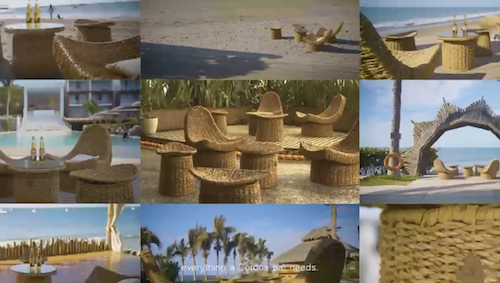
The initiative introduces a replicable model that connects heritage, design, and business. It not only preserves an ancient technique but also integrates it into contemporary supply chains ensuring its relevance for future generations. In an industry where sustainability is often associated with new materials and technologies, Made in Huanchaco offers a different perspective – one where the future is built by giving new purpose to the past.