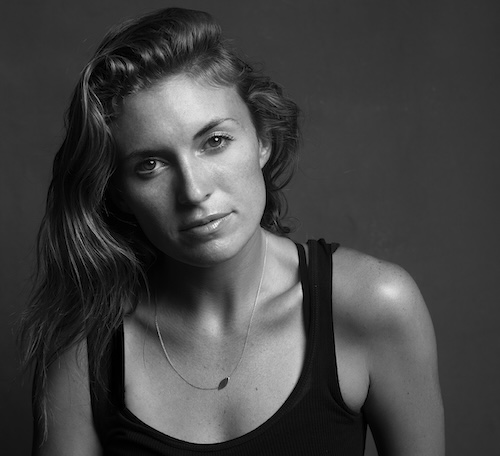
Director, Rachel McDonald spans commercials, music videos, documentaries, and narrative films. The common thread linking all of them is her eye for cinema and her instinct for finding characters whose truths run deep beneath the surface.
Her commercials portfolio covers global brands, BMW, Mercedes, Ikea, Toyota, Ford, Peloton, Facebook, Gatorade, Volkswagen, Cadillac, Chevy, Microsoft, and HP. And she has won awards at Cannes Lions, Ciclope, Shark Awards, 1.4 Awards, Webby Awards, LIA Awards, The One Show (Craft Direction), ADDYs, Cresta Awards, the Voice of a Woman Award, Source Creative’s Top 100 Spots, and the Shorty Awards.
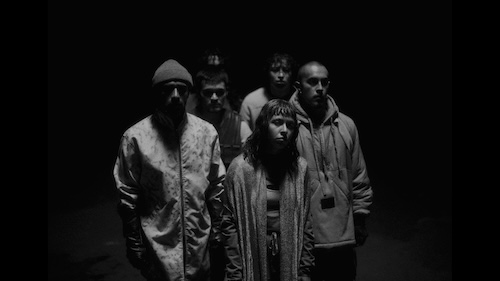
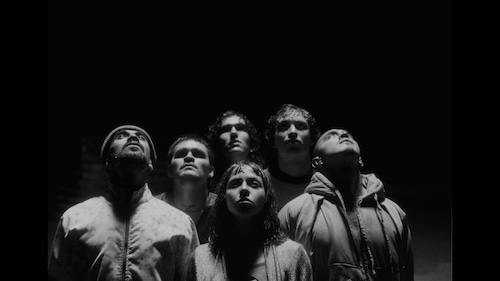
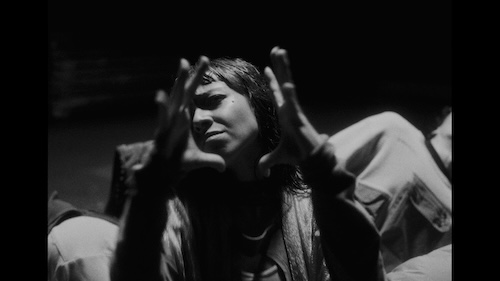
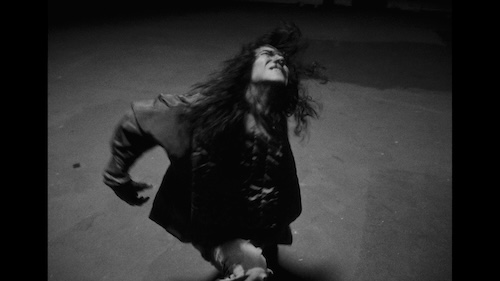
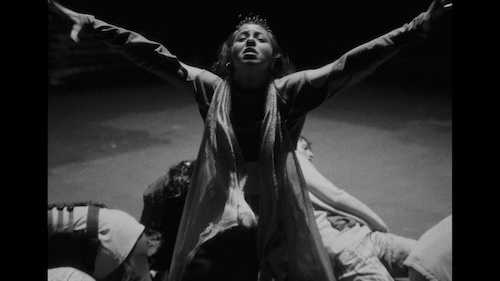
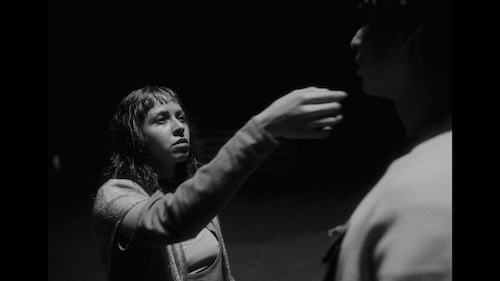
McDonald’s most recent work, Ternura, is a new adventure – a dance film created in close collaboration with Mexican choreographer, Paulina Pulido, and a local cast and crew of multidisciplinary artists. They met on Nike’s Tiempo de Ser Héroes campaign set, where Pulido introduced McDonald to the concept of ternura, a word widely used in Mexico to express tenderness, which became the foundation of the film. The project was further informed by Radical Ternura, a transfeminist framework that explores tenderness, vulnerability, and intimacy as forms of resistance.
“Ternura is what emerged from the union of compassionate artists who believe tenderness can be a form of resistance. Art can sometimes be the only way we know how to process our feelings about the world around us and remind one another of the love that unites us. And sometimes, if we’re lucky, our art can encourage others to face what needs to change,” McDonald noted.
Movement is the central narrative device and language, allowing the film to communicate vulnerability and a strong sense of connection without any dialogue. It was developed in a condensed timeframe using an instinctive, process-driven approach, heavily influenced by the culture and experiences of its cast and crew.
Rachel McDonald took The Stable behind the scenes of her film, interviewed by Katie Huelin and Niccolo Montanari of MontanariPR.
Ternura is a film powerfully rooted in movement. What made dance feel like the right medium for exploring an emotion-led piece centred around resistance?
Rachel McDonald: It started with a feeling and a wanting to collaborate with Paulina outside of the commercial we were making together. We connected immediately and realised we were both carrying the same heaviness about the world. That shared feeling became the engine of the piece. I believe movement can carry so much — grief, hope and resistance all at once. Dance felt like the only language that could hold the moment we were living through.
How did the dynamic between yourself and choreographer, Paulina Pulido, work on set, and how did you approach directing within that partnership?
Rachel McDonald: It was a genuine creative partnership. We were collaborating all day on the commercial and shaped the dance piece in the after-hours of that job. I brought the emotional intentions and thematic anchors. Pau translated those into movement and relayed direction to the dancers physically. What made it work was deep trust. I leaned into her choreographic language completely, and she held space for the emotional territory I was reaching for.
It was a fast process and we dropped into a flow together that was deeply instinctual. The whole production ended up moving like a dance itself.
The film relies heavily on performance and physical expression, what was your approach to directing the dancers and shaping that emotion without dialogue?
Rachel McDonald: The principle is the same as directing actors. You’re trying to land an emotion truthfully, the channel just changes. With dialogue you work closely with actors and your DP to find the truth of a line and frame the story. With dance, I partnered even more closely with Pau to translate the emotion I was after into specific movements, then communicated with the dancers through her in real time.
I’m also a very visual storyteller, and I think deeply about how the camera can shape feelings. In this case, the lighting and camera movement were crucial in creating the tension and beauty we were after. I was on headset talking our steadicam operator through the movement as it unfolded, calling shifts in tempo and proximity while watching the dancers find each other. The whole thing became a living conversation between camera, choreography and feeling.
There’s a strong sense of collaboration across the film. How do you build that kind of environment quickly, especially when working with a new team in a different country?
Rachel McDonald: One of the things I love about filmmaking is that it has its own universal language that crosses borders and cultures. You can walk onto a set anywhere in the world and find each other quickly. And then there was the added weight of the moment we were all living through, which dissolved any remaining warm-up period instantly. When I asked Chris Blauvelt – a longtime collaborator – if he’d shoot it, he just said, “Let’s make something from our hearts, Rach.” That really set the tone.
Everyone was there because they wanted to make something that mattered. Common political ground created openness fast, especially with Pau’s dancers, who are part of a wider network of artivists and collectives in Mexico who’ve been practising this kind of work for years.
How does your recent signing to RSA Films support the kind of work you want to make across both commercial and independent film?
Rachel McDonald: It feels like the right creative home. RSA has a long history of supporting personal filmmaking, not just commercial output, and that distinction matters to me. Interestingly, Ternura itself came together while I was still wrapping my last commercial with Biscuit. It was Biscuit and The Lift in Mexico City who helped me produce it. Biscuit was always supportive of personal work, and it’s so meaningful that Ternura was the last thing we made together.
RSA has been wonderful in post and incredibly supportive of the film since I joined. I want to keep commercial and independent work in genuine conversation, not running on separate tracks, and RSA understands that relationship. I’m grateful that one of my first projects under that roof gets to be something this personal.
Your other work, such as Hermanos and Dancing Warrior, often engages with the world around you. How consciously do you use film as a way of responding to what’s happening socially or politically?
Rachel McDonald: Very consciously. I’m a human being first and a filmmaker second, and I’m tuned into the world around me. Disbelief, grief, fear, excitement, outrage – these are often the starting point. Film is how I process what I’m living through, and sometimes it’s the only response I have to a feeling of helplessness.
Hermanos was born out of the heartbreak and outrage I felt watching the Trump administration’s Zero Tolerance policy unfold – families being separated at the border. Ternura was the same impulse: sitting in a hotel room in Mexico City watching the news, feeling the weight of what was happening in Venezuela and the death of Renee Good, and needing to do something to feel as though I was not simply accepting these horrible events. To make something as my way of responding. Dancing Warrior came from a different place; friends on the reservation introduced me to that story, and it was one I felt deeply honoured to be invited to tell.
I’m drawn to human stories, stories drawn from the real world we’re living in. I’ve just spent the last year writing my first narrative feature. It’s deeply personal, inspired by my relationship with my older brother, who was diagnosed with schizophrenia at 21 following a difficult acid trip. It changed his life and our family profoundly, and the story grew from that.
How do you balance projects like this with your commercial work? Do they feed into each other creatively, or do they serve different purposes for you?
Rachel McDonald: Commercial work demands precision and visual clarity that sharpens everything I do. Personal work keeps my instincts honest and reminds me why I make films in the first place. Ternura is a good example. It grew from the margins of a commercial job, in the after-hours, with borrowed time and almost no budget. The discipline I bring to commercial work made that hour of shooting possible. And the emotional honesty of the personal work feeds back into everything else.
What are you working on next? After directing Ternura, are you looking to continue exploring movement-led storytelling in future projects?
Rachel McDonald: As I mentioned, my debut feature is the main focus. We’re close to sharing it and I’m really excited about where it’s landed. Beyond that, movement-led work is absolutely something I want to keep exploring. Pau and I are already talking about the next collaboration, and I can’t wait to see where that goes.