Death. Just reading the word elicits an emotional response. For many, many people in many, many societies, that is a shudder of fear, small to overwhelming. So, we don’t talk about death. We don’t share feelings about death. We grieve alone too often.
Palliative care and bereavement charity, Sue Ryder, gave UK creative agency, Impero, the job of talking about it. The result is a campaign, Death Deserves Better, that takes an unflinching look at how society handles death and grief. Its aim is to shift the way we talk about life’s most inevitable event.
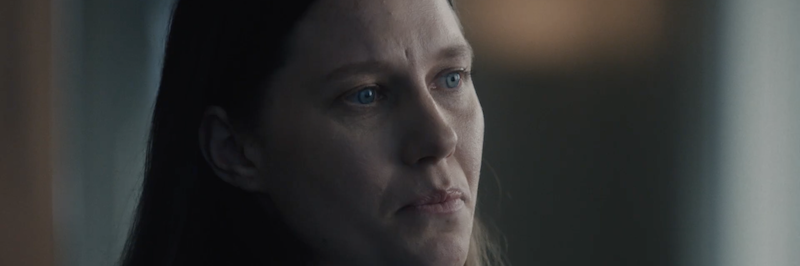
The work is made up of two films, radio and digital content, in which the audience experiences genuine moments of real people revisiting digital memories of their loved ones. It is confronting, highly emotional and necessary work. Every interaction, every tear, every smile in the campaign is genuine. The campaign highlights how disconnected we can be from each other in these moments of need, and offers an unfiltered look at the impact of death and bereavement, amplifying the message that society can do better in supporting those facing death and grief.
Alastair Mills, executive creative director at Impero, and Elliott Star, Impero creative director, talked to The Stable about making the campaign that encourages the UK to talk about death. You may find that you cry a little reading this interview. That’s part of the power – and the importance – of this work.
The Stable: Opening up/normalising death is a huge ambition in western culture. Discussing grief too. What were your first thoughts (fears, aims, reticence perhaps) when you took on the project?
Alastair Mills: The way we deal with death and grief in the UK is a real issue – possibly more so than in other European countries. At the risk of oversimplifying, it’s similar to how we handle money: the British “stiff upper lip” combined with our general discomfort with personal matters creates a huge barrier for those grieving. Culturally, we tend to avoid the subject or offer shallow words of comfort, which can be frustrating and isolating for those who are suffering. This is reflected in the statistic that 88% of people feel alone in their grief.
When we began this project, we all recognised that many people struggle to offer genuine support to the bereaved. To address this, we knew we had to normalise death and encourage people to face it directly – with respect, rather than treating it like something to be embarrassed about. Not acknowledging the names of those who have died is disrespectful. I’ve lost several close friends much too soon, and I always make a point of talking about them openly. It’s cathartic, and seeing the reactions from their families and friends has always confirmed that it’s the right thing to do. It helps reduce the sting and the awkwardness surrounding the subject.
Everyone had their own fears about approaching this project, but for me, the main concern was ensuring we did it justice, keeping it authentic and avoiding anything that might feel deflecting or inauthentic.
The Stable: You set yourselves a difficult task – using real people to get your message across. Were there checks and balances that you put in place?
Alastair Mills: Our core idea. Death deserves better. and the subject itself, demand authenticity and honesty. These individuals would be deep in their grief, which presented its own challenges – not least the duty-of-care we had to those who courageously agreed to share their stories. But we also had to ensure we represented their personal experiences in a sensitive way, one that would resonate with audiences and inspire them to change their behaviour around grief and their perception of Sue Ryder.
The Stable: What were the most important features of the film and radio content? Please tell me about working with Tubby Brothers and their approach to the project.
Alastair Mills: Truth. There are so many ways loved ones come back for a moment. Sometimes you dream about them, and when you wake up, they’re alive again, for a few seconds. Or, a real reference for this campaign, my mother-in-law’s answerphone, which still kicks in with the voice of her long-dead mother. And then of course, more commonly, our phones and social media, packed full of pictures and videos of those who are no longer around. Digital time machines that can, for a moment, bring them back to us.
The most important feature of these films and radio ads was to capture these precious moments and the truth in them. It was all about simply and respectfully displaying the reactions of our contributors as they watched these memories. Ben and Dan Tubby executed this incredibly difficult job with the utmost sensitivity and elegance. They gained the trust of Sunita and Shireen and let them be themselves, in the moment, absorbed. There was something we spoke of early on in the process which they did with perfection – we wanted these films to reflect grieving alone, but also to be a tribute to those special people they held so dear.
The Stable: What was the campaign’s core message?
Alastair Mills: The core message is simple: we can’t control the fact that everyone will lose loved ones, that everyone will grieve, and that everyone will eventually die. It’s part of life. But we can control how we treat grief, death, and one another. The real issue is that 88% of people feel alone in their grief—that’s 88% too many. Together, we need to change that.
The Stable: How did you source the people featured in the films?
Elliott Starr: All credit here really needs to go to Ben and Dan Tubby, the directors. We gave them our intention, which Al has described, but they built it into a process, which delivered it as a reality. Their casting process was multilayered, involved and very sensitive.
We were filming with real people who had experienced recent bereavement. So, it was important to do that in a very delicate and understanding way – taking time to hear their stories, understand their feelings, offer support and guidance through Sue Ryder, and make sure they were safe and looked after. The Tubby’s were honoured to receive the trust of many, many people who shared their stories through self-tapes. They then spoke to 30 of them on a video call to get to know them – understanding who had passed, what their digital memories were, and understanding where they lived in the UK from a production logistics and location point of view.
Ben and Dan told us everyone was incredible, and that the people they spoke to all felt that this was something their loved ones would have wanted. People who believed as strongly as we did that sharing the message was an important one that could help others. Many told Ben and Dan it was a part of their grieving process, almost therapeutic in itself – even if they weren’t to be selected – they felt comfort from the experience and the sharing of their memories and feelings.
The Stable: Death elicits very personal responses. How did the campaign affect you?
Elliott Starr: I started the process by writing a letter to each of my parents. The opening line of the letters was, “One day you’re going to die and we’ve never even talked about it.”
I had to push myself in that letter to really think about all the things I wanted to say to my parents that one day, they wouldn’t be around anymore, and what a huge part of my life they have been. What they’d taught me, what they’d shown me, who they’d made me, or who they’d inspired me to try and become. That was very difficult and incredibly emotional. But it was an attempt to try and experience even a modicum of what some of these people grieving may be going through.
Sometimes, as a creative you’re just writing funny scripts about cheeseburgers. But when you’re dealing with topics like death and grief, you have to find another gear, professionally. It’s when the method-acting side of the job becomes critical. I can’t begin to imagine the pain that some of our contributors felt when their loved ones died and still feel to this day. But I had to try. This was my way of doing it.
Once we’d landed the platform idea, Death Deserves Better, dreamt up by creatives, Josh Mansell and Alec Carluen, it became a simple game of stamina in landing the right campaign idea. In writing the scripts, the emotions returned. There were times I was crying while writing. Not easy, but it gave me hope that the work, if and when we made it, would touch people the same way it was touching me, writing it. As I explored the project, I also felt weird blends of guilt and shame for not being there more for friends when wewere much younger. Friends who were grieving themselves at the unexpected loss of a parent, for example.
While I have the awareness that we were just kids when it happened, I also have the guilt that I could have done more, said more, and been there more. Especially, now that I know nine in ten people feel completely alone in their grief. But the project also prompted me to reach out to those friends and speak to them about it. In a way, this felt like the proof in the pudding. The work had moved me to talk about death and grief – which is exactly what we needed people all over the country to start doing.