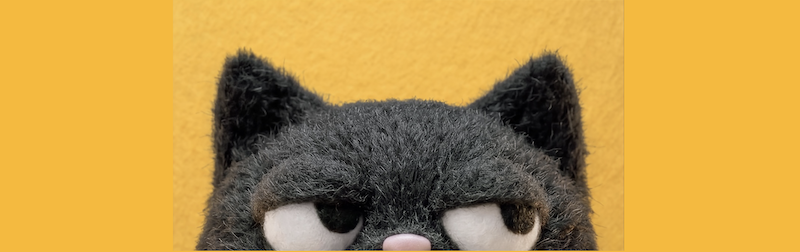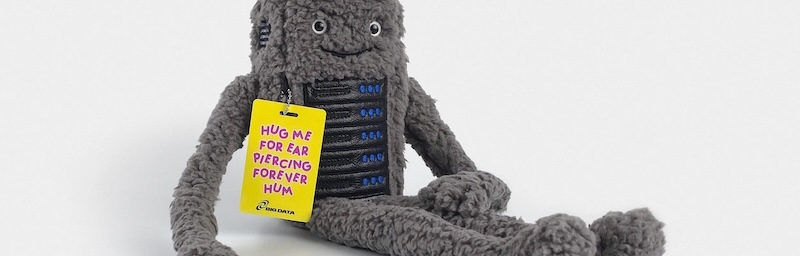
In the ‘90s, the hot game was Minesweeper. Belgian agency, Mutant, has recreated it with a new purpose. It leads an awareness and fundraising campaign, Real Minesweeper, for Nobel Peace Prize winning NGO, Handicap International, to help solve the problem of landmines. There are over one million active mines around the world ready to explode, maiming or killing innocent civilians. The increase in landmines is not the only problem. “Landmines are hidden in everyday objects that easily catch the eye of children, such as colourful objects or stuffed animals. In Afghanistan, for example, yellow ducks are filled with explosive substances that explode when touched,” stated Alma Taslidzan, disarmament and protection of civilians advocacy manager at Handicap International. Millions of people in 60 countries live with the fear that they might activate one in their daily life. Wars may have a clear end on a political and military level, but the repercussions on civilian casualties continue for years and years to come.
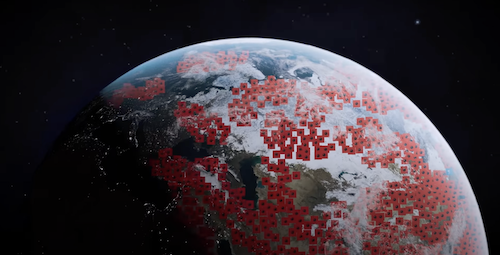
The new Minesweeper game features a grid of clickable tiles, with hidden “mines” scattered throughout the board. The objective is to clear the board without detonating any mines. Players of this version of the game can experience for themselves how it feels to walk in the shoes of real de-miners in Ukraine, Iraq and Laos. While playing a game of Minesweeper, we are introduced to some of the victims and 270 Minesweeping heroes who clear contaminated areas every day, and for whom, this is no game. This new digital experience is accessed via a web browser on desktop and mobile at realminesweeper.be. Supporting it is a TV, digital, cinema and print campaign running on Belgian national television, cinema and online from November 27 until December 5.
Jonathan d’Oultremont, creative, Mutant, added, “To most people, landmines appear to be something from the past. Unfortunately, the issue is more present than ever. So we wanted to raise awareness in a recognizable and emotional way, via an experience. Minesweeper is one of the first mini video games that almost everyone has played, from 1992 it was included in the standard install of Windows. When you apply this same game set up to real maps, with real data on the number of mines and casualties, the experience takes on a whole new dimension. That’s how we turned the iconic minesweeper game into a fundraising tool to sweep mines in the real world.”
Antoine Sépulchre, general director of Handicap International Belgium, stated, “We employ 4793 people in 8 countries and are active in more than 60 countries. Our mission requires a lot of time, a lot of financial resources and a lot of risk. Locals are trained by Handicap International as de-miners, awareness-raising sessions are given to the local population and we provide support in the form of prosthetics and rehabilitation care. However, we are already short of hands and financial resources and, given the current global situation, this will not improve in the coming years. We are highly motivated to make the world a safer place one mine at a time, but we cannot do it alone.”
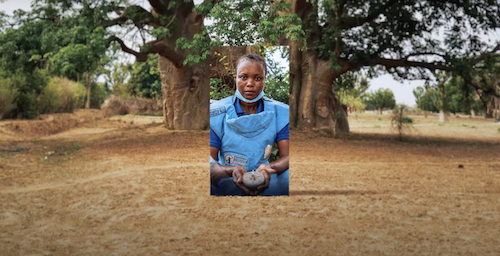
Funds raised will be used to de-mine contaminated areas, organise awareness sessions teaching children and adults how to recognise mines and avoid accidents, facilitate access to prosthetics, rehabilitation care and psychological help.
Shaha Ismael Muhammed, 8-year-old victim of an improvised landmine, Iraq, said, “I was sitting on my daddy’s shoulders when my sister stepped on an improvised landmine. The mine exploded, killing half my family and catapulting me 20 metres away. The army couldn’t help us because it turned out we were in the middle of a minefield. My mom, who was pregnant at the time, carried us to a safe place at the risk of stepping on a mine herself. At the same moment we were taken under fire by a sniper, but we still survived. I have had 7 surgeries on my jaw, 27 on my arm and have a lens to compensate for the damage to my eye. Thanks to Handicap International, I am getting rehabilitation sessions to be able to use my hand again.”

Chue Por, was injured by cluster munitions when he was 17 years old. “I was playing with my friends during the local New Year’s celebration with homemade toys. I was sharpening a found metal object with a knife. But the object turned out to be cluster munition and exploded. When I woke up in the hospital, it turned out my hand had been amputated. My family sold everything they had in order to pay for the surgery. Afterwards, I got in touch with Handicap International. They referred me to a rehabilitation centre, where I received a prosthesis.”
Credits
Client: Handicap International
Client Team: Antoine Sepulchre, Nina Vanhuysse, Thibault Conrotte
Creative Agency: Mutant
Creative & Strategic Director: Odin Saillé
Creative Director: Ruben Van Maldeghem
Creative: Jonathan d’Oultremont
Copywriters: Simon Pyson, Iris Nuyts, Barbara Dzikanowice
Business Director: Maarten De Cuyper
Client Director: Chantal Claes
Client Manager: Tibo Gevens
Client Executive: Robin Mosch
Design director: Frank Schouwaerts
Designer: Tjen Colman
Web development: In The Pocket
Production Company: Fledge
Creative Partner: Diederik Jeangout
Managing Partner: Roeland Jeangout
Director: Maria Leon
Offline edit: Maria Leon
Online edit: Joris Willems
VFX: Studio Plankton
Grading: Xavier Dockx
Sound Studio: Sonhouse
Voiceover: Axelle Red