
Here’s a nasty piece of news from the Spanish Ministry of Equality – men are publicly reviewing their experiences with sex workers on digital platforms. Using their full names. With star ratings. As if they were rating a hotel.
Ogilvy Spain has developed the awareness campaign that denounces the practice and comments on the normalisation of prostitution that has gone that far.
The work comes from very specific unease. Not prostitution as an isolated phenomenon, but what it says about a society in which a man can sit down, open Google, and leave a five-star review of a woman’s body—without hiding, using his full name.
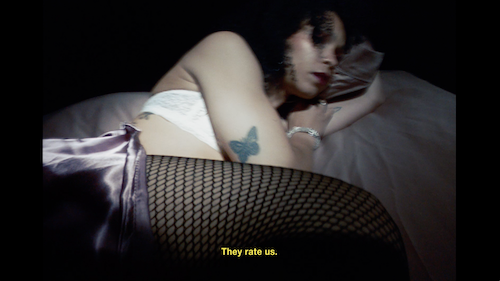

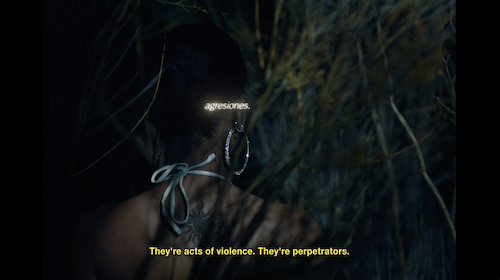
The centrepiece is a film in which a voice-over of a sex worker narrates, in the first person, how the reality of the prostitution industry has changed in the digital age. “There was always silence around this. Not anymore. Now people recommend us. They rate us. They compare us.”
Over this narrative are gradually superimposed real reviews taken from digital platforms: star-studded texts, with the coldness of someone evaluating a consumer experience. “For the price you pay, it’s excellent.” ★★★★☆. “Erica 10/10.” ★★★★★. “You can do it raw.” ★★★★★.
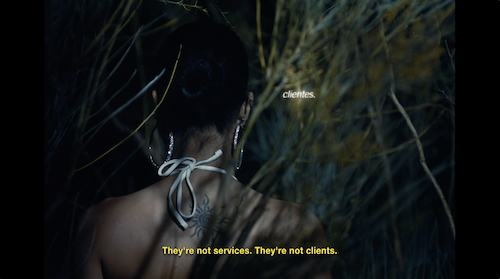
The film is structured in three sections that build upon one another. The first begins with abstract, atmospheric images of women we cannot quite identify. The viewer still doesn’t know what this is about. And that is exactly the point. The second segment introduces the first concrete elements: an unmade bed, a motel facade, neon signs. Reviews begin to appear, narrated through the images. In the third and final segment, the women look directly at the camera, and multiple reviews are shown simultaneously, creating a in crescendo effect.
The piece deliberately avoids advertising language. It moves between editorial and documentary. A vacant lot on the outskirts of the city and a motel serve as spaces laden with meaning that require no explanation.
The campaign aims to shift responsibility onto those who fuel the prostitution system. Historically, the focus has been on women in prostitution. This initiative shifts it to pimps and men who pay for sex, holding them directly responsible for what the Ministry defines as the cruellest form of sexual exploitation and slavery that persists in our society.
According to data from the Ministry of Health and the CIS, one-third of men in Spain admit to having paid for sex.
The campaign will be broadcast on television, radio, in print, on digital media, social media, outdoor advertising, and in movie theatres, in Spanish, Catalan, Galician, Basque, and Valencian, with subtitles, audio description, and sign language.