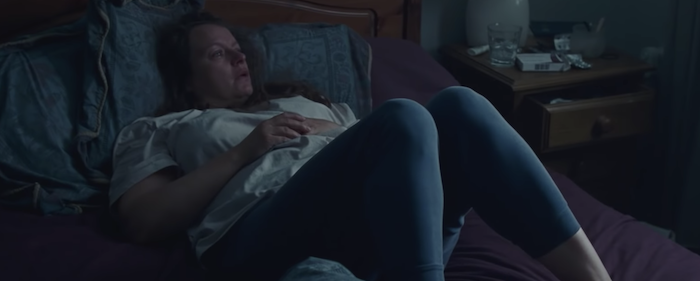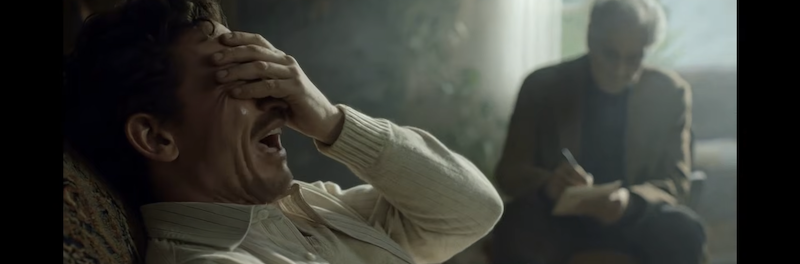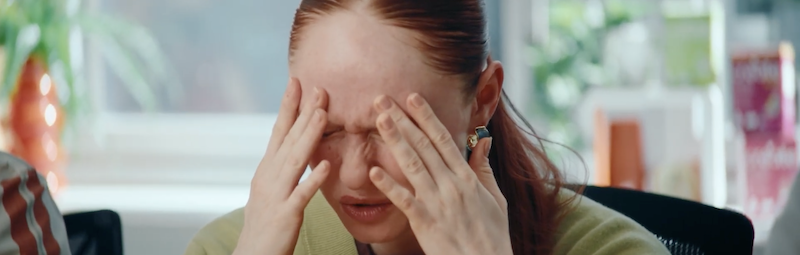
Women are not supposed to talk about what goes wrong inside the reproductive parts of their bodies. Women with things that go wrong inside their bodies feel shame. BBC Three wants to remove the taboos and the silence. Damian Kavanagh, controller BBC Three, and BBC commissioning editor, Navi Lamba, have commissioned its four-part series in BBC’s Body Language collection, in which women get to discuss some of the most isolating female reproductive health experiences.
Prettybird was commissioned to produce it. Sindha Agha to direct it. Sindha Agha is a Sundance Ignite and Sundance New Voices Fellow, and the filmmaker behind Birth Control Your Own Adventure, which was the New York Times’ most popular Op-Doc and officially selected for the 2018 Tribeca Film Festival. The series is not the dry exposé you’d expect.
Visually, its five-minute stories, candid accounts of the health battles of four British women, are told in metaphors. The films use stop motion, collage and conceptual imagery to allow the serious, intimate first-person monologues the space to be told in a bright, appealing way with moments of unexpected humour. Fun artworks, if you will, illustrate the narrative, enlivening and lightening what is often seen as a dreary, and often portrayed as a heavy, subject.
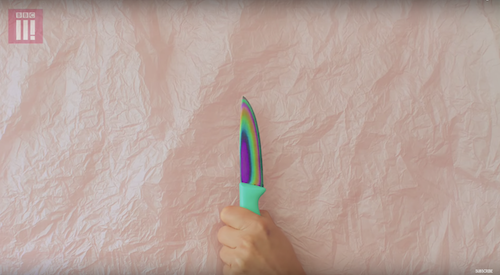
The series discusses conditions including painful sex, early menopause, endometriosis and maternal mental health.
“I’m trying to create an external language for women’s innermost experiences,” Agha commented.
“As women, I feel we’ve been led to believe that many of our experiences are indescribable, incommunicable; that even when we can figure out how to talk about what happens inside our bodies and our minds, that we’d better not — that others don’t want to hear it because it’s too gross, too sad, too strange. Above all, that we won’t be understood. It’s true that people often don’t want to come near your grief — that’s why I worked with the subjects to create an unconventional style of documentary, using comedy & vivid imagery to find moments of humour and beauty while wading through these heartbreaking stories. My hope is that the style will compel those who typically wouldn’t to stop and listen, and that the visceral visuals will lead people to inhabit our bodies & minds for a few minutes, in turn building empathy for the way in which women still suffer on a massive scale from systemic injustices in healthcare.”
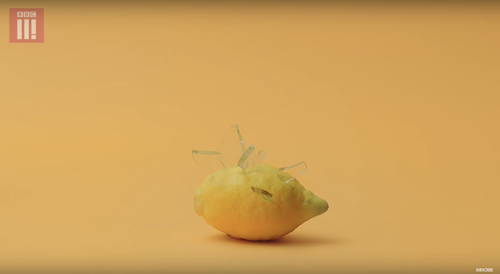
“My visual style draws upon my own experiences suffering from endometriosis. During episodes of severe pain, my brain changes lenses on me as my senses heighten. I started paying attention to the way things feel, sound, and look when I’m immobilized by pain, and this is how I built the language for these films. During the interviews with the women, I had them close their eyes from time to time and tell me what they saw in their stream of consciousness, playing around with free association to capture feelings & sensations most honestly. I think there’s been a wrongful normalisation of women’s pain. For example, it’s absurd that women wait on average 7.5 years for endometriosis diagnoses when 1 in 10 women have the condition. Each of the subjects featured in the series struggled in some way to convince medical professionals that something was indeed wrong with them, which led to unnecessarily prolonged suffering — sometimes for over a decade before finally being believed by a doctor and receiving the treatment they needed.”
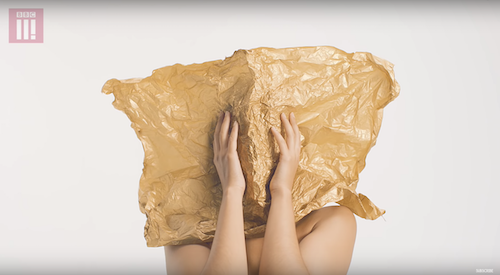
Body Language is running on BBC Three’s YouTube and Facebook channels. It was produced by Paulette Caletti and executive produced by Juliette Larthe at Prettybird.