Jef Wong has been at Designworks for almost two decades. Design, he says, is one of the best industries you can get into. His experience covers major brands such as Air New Zealand, Fonterra, Silver Fern Farms Telecom, DB Breweries, Heineken, Coca-Cola, Anchor Milk, Frucor Beverages, Semi-Permanent and The New Zealand Dance Company. His awards include New Zealand Best Awards, AGDA, Good Design Awards, Interior Awards NZ, Art Director’s Club, Graphis, Communication Arts, DesignWeek Awards UK, Pentawards, The Dieline and he has been featured in Wallpaper and Monocle magazine. Wong is judging Branding at D&AD 2019.
The Stable: What makes branding work worthy of a D&AD Pencil?
Jef Wong: To get a D&AD Pencil is a massive achievement and its exactly that, recognising creative excellence. The branding category is so diverse and our sub-categories are quite diverse from brand expression in print, brand schemes, sonic branding, brand expression in digital and even a whole section on logos. When you have this much diversity and so many entries the work that stands out, really stands out. It’s fresh, it’s memorable it has an idea and story that make you feel something, it’s beautifully executed and is actually effective. That’s what rises to the top.
TS: Aesthetics and idea? How does great brand work marry these?
JW: Ideas for me are the most important when creating or working on a brand. When everyone can get excited around an idea and it’s clear and single-minded that’s where the magic is, Having said that, it doesn’t mean aesthetics and craft aren’t important. The holy grail is really, clear idea, beautifully executed and the work/brand makes a difference, financially or culturally.
TS: What have been the most significant trends and changes in branding during your two decades at Designworks? What are the most valuable current trends?
JW: There have been a lot of changes over my time. Design always changing, even as we speak. For good or bad, the democratisation of design or ‘design thinking’ has had a big impact, whether that’s the clients’ understanding of the process or them wanting to be more involved. Every client is different, but we are a lot more open and collaborative with the way we work now. Other changes are that a lot of clients are now hiring a lot of in-house design capability, which is not a new thing globally and in-house teams are quite sophisticated. This is still in its early stages in New Zealand but has been a big change. Technology is another obvious one and will continue to be part of the mix. My opinion is that it’s important how we use technology in a positive way in our work. Brand vs Experience is another interesting trend or change and where everything is heading, and I don’t believe it’s one or the other. At Designworks, we think there is real magic and difference in getting both right, merging them so they are one thing to the consumer but still clear in its purpose as a brand and distinctive, different in its experience. Another really important change as a studio is our relationship with our clients and sustainability in all ways. Sustainability is something we have to be authentic and genuine about and then also work, question and help our clients with. That’s where our work with Manaaki Whenua (Landcare Research), Enviro Mark Solutions and The Tiaki promise (just to name a few) are important.
TS: There has been a lot of turmoil about the future creative agencies this year. What does the future of design agencies look like?
JW: That’s a big question. Yes, who knows what will happen to design agencies in the future but I think design studios and designers have a major role in the future. Designers have always been makers and problem solvers and the great thing about design is you can actually design the future and see what it looks and feels like, which is a massive skill and role to play. I also think one thing that will not change for design agencies is being authentic about your work and your relationships with your clients, your team and who you are designing for. People will always want real authenticity in everything. With everything changing just keep focusing on doing good work with good people.
TS: What work (yours or your agency’s) are you most proud of?
JW: Overall as an agency, we have always focused and being proud of telling New Zealand stories for all our clients, whether that is Air New Zealand, Tourism, Fonterra, New Zealand Trade and Enterprise, Silver Fern Farms or The New Zealand Film Commission, and I don’t think we will lose that passion.
But more recently, there have been some amazing pieces of work that have taken that storytelling to a new level and that’s been a combination of our cultural work and our motion and photography area. As a studio, we have been proud of our work with Air New Zealand in both the diversity and longevity of the relationship which I think reflects in the work. We are also really proud of our recent Pepeha project, which is part of our ongoing focus to help Te Reo Maori grow.
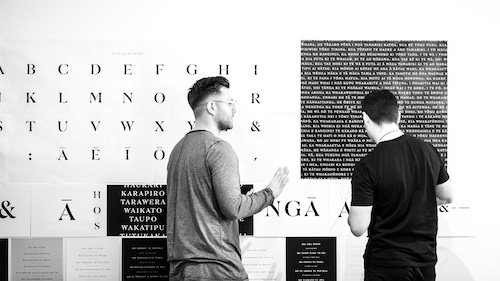
Our work in motion and storytelling is also really important for us and there is some great work happening there, but a highlight was the Moana Fisheries Sustainabilty movie – simple storytelling.
TS: What branding and/or design work in the last few years made you go, “Wow?”
JW: There is so much good work out there both locally and globally but work that comes to mind is Gretel’s Viceland brand:
Nike’s work with Virgil Abloh and Fear of God…
Turner Duckworth’s Coke rebrand a few years ago:
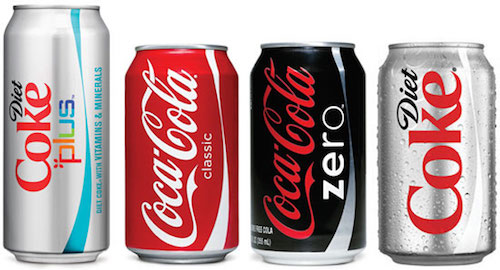
…and also just recently having a relationship with Apple and learning the amazing projects they are doing across the board is really inspiring. There’s obviously more but I could be here all day.
TS: Every creative is shaped by their work that worked, work that didn’t or didn’t get through, mentors’ advice, intuitions assimilated. What shaped yours?
JW: After all this time in the industry I still think we have the best job. Designers get to learn about all sorts of businesses, cultures, people, places and you’re constantly learning no matter how experienced you are. So, I still am, and always will be, passionate about the work and how what we do, this thing called design, can actually have an effect or change something, and for the better. If you stop loving the work you may as well do something else.