
SapientNitro recognised India’s potential in 2012. On July 1 2014, it will give its clout there another boost, when KV Sridhar takes the helm as chief creative officer SapientNitro, India.
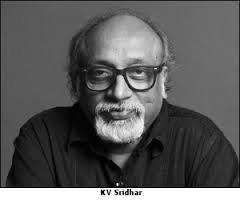
India’s creativity is fascinating. We should know why. The Stable asked Sridhar to share some of what he had learned in his long reign at the top of advertising creativity in India.
The Stable: What are India’s strengths in regard to ad creativity?
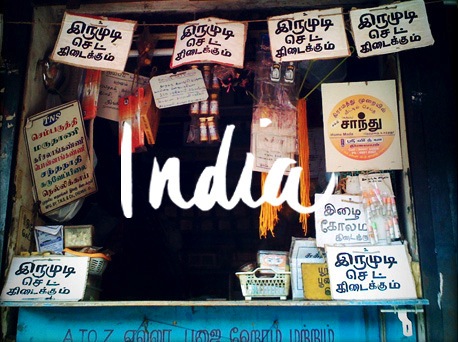
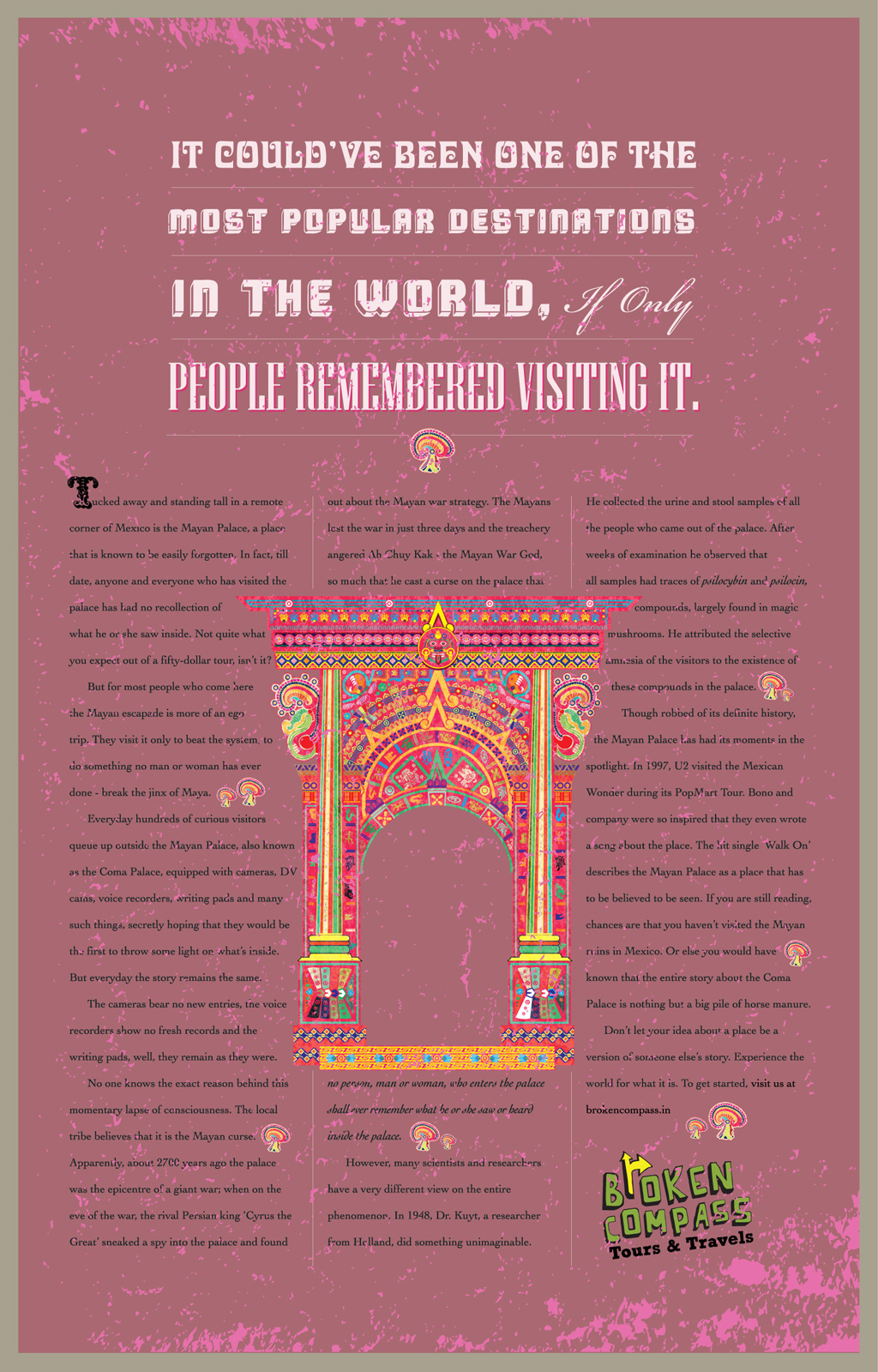
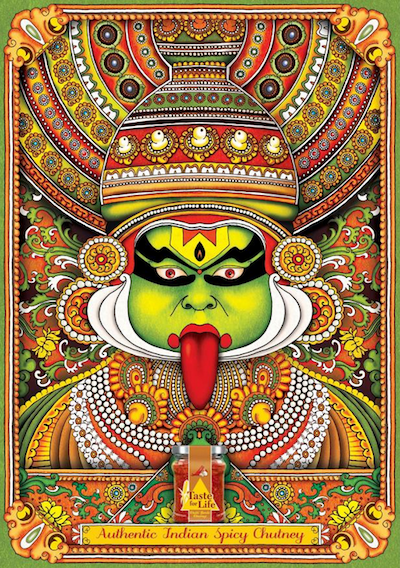
KV Sridhar: India is a culturally rich nation. It has as many as 16 official languages – there is a different dialect spoken every 30 odd kilometres. Its diversity forces creatives to discover more similarities, therefore Indian creativity thrives on a cultural fuel, spiced-up with local languages and dialects. Indian creatives are good with deeper human insights, executed with greater cultural nuances. Indians are natural storytellers from Vedic days to Bollywood. Indian creatives fall back on popular culture to engage with audiences.
TS: In what areas does India need to catch up? To what extent/in what ways is advertising restricted or censored in 2014?
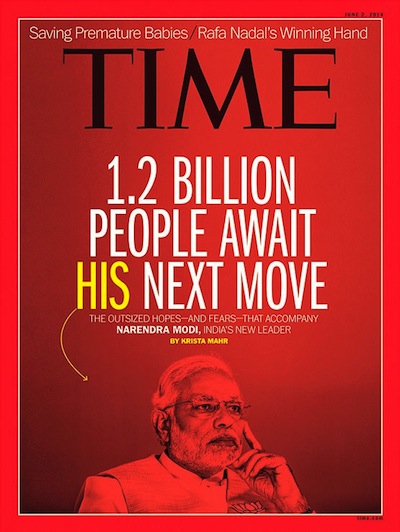
KVS: There isn’t any censorship of advertising in India, if at all. It’s just moral policing by the elders. India’s strength is its youth, 60% of the Indian population is under 25. The world can see the power of the youngest in the recently concluded Indian parliamentary elections – more then 110 million young voters voted for the first time, resulting in a record number of votes polled in the history of independent India. If there is anything stopping India from being the most economically powerful nation it is its political elders. With stable and better governance, more opportunities can be created for young India. There are already 900 million mobile users, 150 million have internet access and Facebook boasts of 100 million users. I believe mobile and data connectivity is going to change India and help her to be ahead of the curve.
TS: Where do advertising influences tend to come from? How much attention does Adland India pay to European and/or US advertising creativity and/or culture?
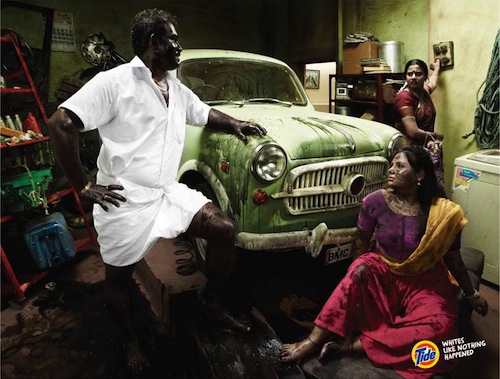
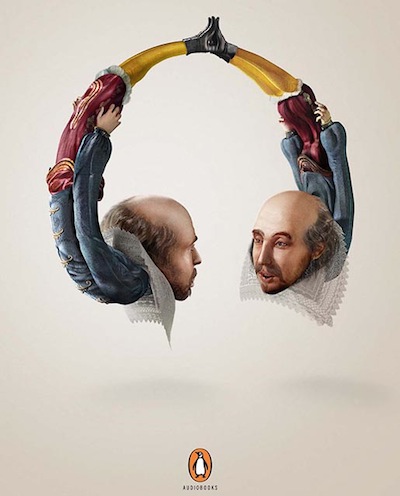
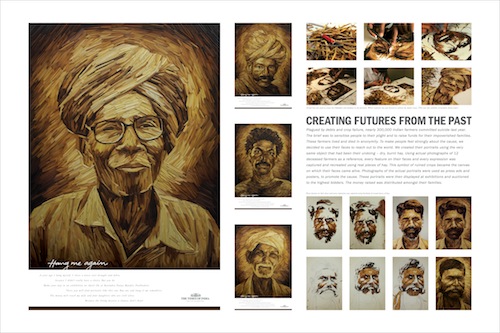
KVS: Most of Indian advertising borrows from popular culture. In the last decade or so due to the influence of a global audience, Indian brands started to demand more International looking/feeling ads. Most of the Indian work recognised at the award shows are the ones that borrowed heavily from the local cultures, be it Happydent or Fevicol or Mumbai Mirror or Lead India.

TS: How well do international ads fit into the local environment? Or do global brands tend to create local ads?
KVS: Anything can fit into India. Indian culture is influenced by the Mughals, British, Dutch, French and Portuguese, All the urban lifestyle brands are westernized and most of the others are all adopted to Indian sensitivities: Coke, Pepsi, McDonald’s and Ford to name a few. In fact, there are no expat creatives in India.
TS: In what ways are India’s economic strictures affecting Adland India in general and advertising creativity in particular?
KVS: All economies are reeling under growth pressures. The slowdown has affected India too. Despite the world gloom, India still clocked over 5% GDP growth. It’s just the ineffective government that created challenges of growth and confidence. With a majority government in place, double digit growth is expected within the next 18 months, which in turn will create better business opportunities, allowing marketers and consumers to spend more.
TS: How much impact does social media have in india? Where does Adland India throw most of its interest, energy and share of each marketing budget?
KVS: The world loves to see the glass half full. Indian marketers believe they see the glass half empty. With over 150 million using the internet, Indians are still worried about 950 who aren’t. While television and other mass media get the lion’s share of money, the mind set is changing and digital spends are going up, proof being the number of digital and social media agencies being bought over by the networks. Today, digital and social media spends are less then 10% but are set to grow at 30%.
TS: What does Adland Tomorrow look like?
KVS: Change can neither be resisted nor escaped, therefore there is prudence in accepting it. Technology liberated the captive audience. Today people have a shorter attention span, they juggle multiple screens and channels and are living in an always on- world. Not a long while ago this was just a TED talk. While cynics switched off their television sets and went to sleep, the optimists went on to observe the changing behaviour of people.
The new breed of communication agencies powered by technology and creativity quickly started to engage younger audiences with innovative, immersive experiences and interactive storytelling, leaving behind the traditional storytellers. I believe telling brand stories and understanding human behaviour will always be key to brand communications. The way we narrate stories has changed. Today’s storytelling is more like a DTS sound system – listening to one channel may not make sense but all together create an unforgettable sound experience. Learning how to orchestrate a story narrative in this multi screen era with diminishing differences between online and offline worlds – here lie the challenges.
The only way forward for creatives is to collaborate and co-create and understand how make participants the hero of the story rather then telling them heroes’ stories.
You might also like