
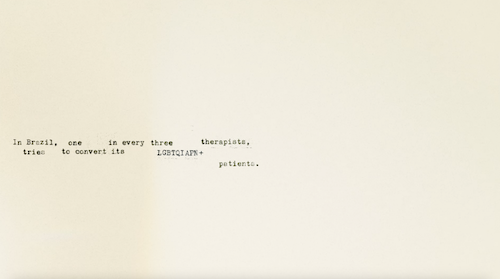
The path to ban, and then criminalise, Conversion Therapy worldwide has not been smooth. It is a banned practice by medical professionals in Brazil, but a long history of the practice worldwide has contributed to the persistence of homophobia.
Africa Creative and Editora Taverna, a Brazilian publisher of literary works that explore insurgent themes such as politics, gender and sexuality, feminism and racial issues, have produced an emotionally gripping film that takes aim at the painful, persistent scourge of homophobia through the lens of Brazilian history. Following its premiere at the Cortina Film Club, the short movie is being made available on TikTok and Instagram to drive greater awareness of persistent anti-LGBTQIAPN+ policies and practices.
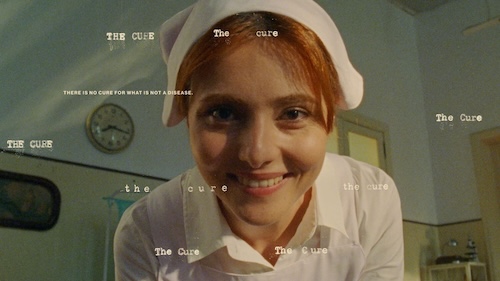
The Cure dramatises the use of discredited, harmful practices like “conversion therapy” against the LGBTQIAPN+ community wielded by the medical establishment nearly a century ago.
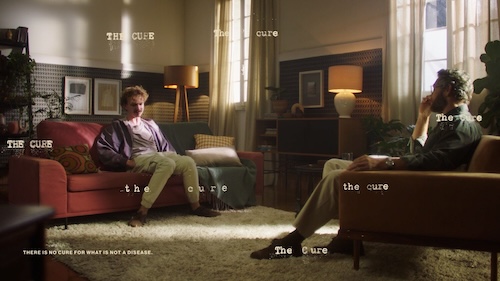
It is not merely an exploration of long-past historical attitudes and acts. Anti-LGBTQIAPN+ policies persist in today’s Brazil. But The Cure is part of a larger movement to correct the bigotry that continues to cause so much pain. The timing of the film’s release comes as a bill is being processed in the Brazilian National Congress that seeks to criminalise conversion therapy.
The film’s narrative is inspired by the investigative work of journalist, Marcos Sergio Silva, and author, Jean Ícaro’s, book Gay Cure: There Is No Cure for What is Not a Disease.
“Dramatising the trauma associated with conversion therapy is an attempt to grapple with the past and the all-too-painful present,” stated Grag Queen, Brazilian singer, songwriter, drag queen, actor and host of RuPaul’s Drag Race. “In conversion therapy, they stick on you a pair of glasses that only allow you to see your flaws and anxieties.”

Set in the 1930s and ‘40s, it draws a harrowing parallel between past atrocities and the present-day challenges faced by the LGBTQIAPN+ community. In the past, torture committed against the LGBTQIAPN+ was primarily physical. While conversion therapy is mental, it is nevertheless a form of torture. Aware that homophobia is not limited to just one country, the Editora Taverna commissioned the film to raise awareness and promote change globally.
“When we published the book, Gay Cure: There is no cure for what is not a disease, we knew that we were helping this idea reach a wider audience,” stated Eder Gomes, owner of Taverna Editora. “Taverna aims to contribute to the bibliodiversity of the Brazilian publishing market by offering new voices and plural expressions in its catalog. We include works by debut authors, books authored by women, LGBTQIA+ authors, and Black authors. We emphasize the aesthetic care and graphic design of our books in our productions — all of which are crafted with the aim of promoting a depth of feeling for underrepresented groups like LGBTQIA+ and the rich culture that emanates from these communities, while inspiring all people to combat injustice and intolerance.”
The Cure is more than a film; it’s a call to action. In addition to its cinematic debut, the project extends its reach through social media platforms like TikTok and Instagram and supports legislative efforts to outlaw conversion therapies. As The Cure gains international attention, the Editora Taverna invites viewers worldwide to join them in advocating for a future where love and identity are celebrated, not condemned.