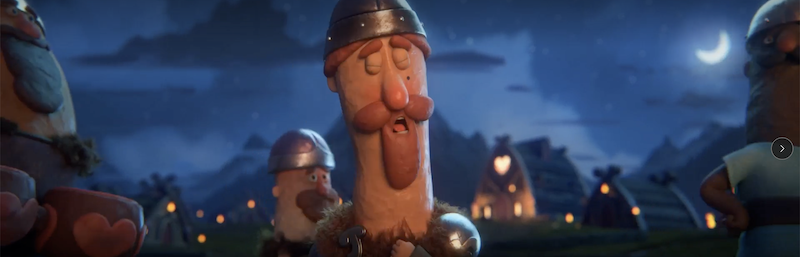
Three strangers find each other and collaborate on a creative project. They work in three different countries – Exit director, Tim Georgeson, at home in Canada; music artist, Hania Rani, in Warsaw, Poland (plus her agent in London, England); Modern Post editor, Will Town, on his farm in upstate New York, USA. They never meet. This, in fact, is the new normal. The environment will probably continue to be raped. (Perhaps a little less viciously. One can only hope.) The dispersal of wealth will remain vastly uneven. And the wrong people will continue to be voted into power. But creators like director, Tim Georgeson, have been making their own silver linings in a pandemic; solving problems so they could produce work that, in this case, achieved “most watched” status on Nowness when it launched globally on the platform.
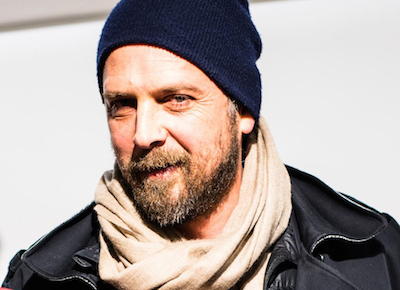 Tim Georgeson
Here’s an inspiring story:
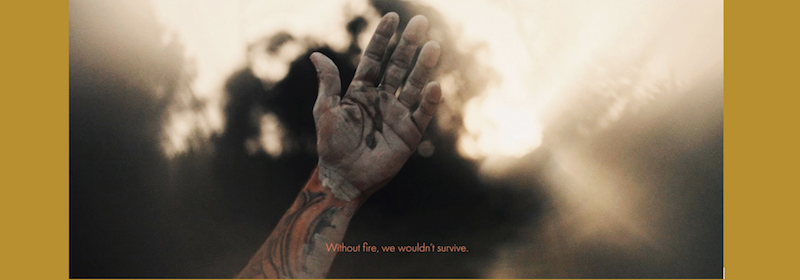
Georgeson was back in Australia from the end of January to early March, to shoot a story on the bushfires for Atmos New York on the NSW South Coast and to organise an exhibition at the end of 2020 in collaboration with the Australian Centre for Photography. This was already leading to something even greater. “I’d started getting a whole lot of interesting content for the fire film which is turning into my first feature-length documentary on Indigenous fire law,” Georgeson explains.
He returned to Canada just as lockdown hit and began searching for composers for the feature.
“My son came across this amazing young Polish musician, Hania Rani, who is based between Warsaw and Berlin. I listened to her work, thought it was wonderful and that she could be a potential person to put in the deck for the presentation for the film.” He contacted her on Instagram. They chatted on WhatsApp. Hania told Georgeson she was interested in environmental issues too, and that she was working on her new album, releasing it in London in early July.
“Two days later I got a call from her agent in London about Rania’s song, Tennen,” Georgeson recalls. “Hania wanted to commission me to make a film for it.”
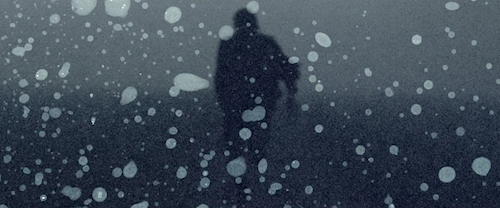
The problem, of course, was that Georgeson was in lockdown. He couldn’t go anywhere or shoot anything. “I slept on it, then dived into a some of my hard drives with B roll and archival stuff from other shoots. I put together a mood board of the direction I thought could be interesting for the song and sent it to Hania and her agent,” Georgeson recalls. They loved it.
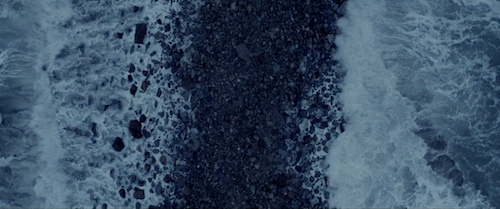
To make a music video, they needed an editor and it was critically important to Georgeson to find the right one. He sent a message to William Town, lead creative editor at Modern Post in New York. “I was meant to work with him on a commercial shoot a year ago. That didn’t happen so we’d never actually met. My message said I’d love to work with him. We spoke on the phone and he said he’d love to be involved. That was a big win-win.”
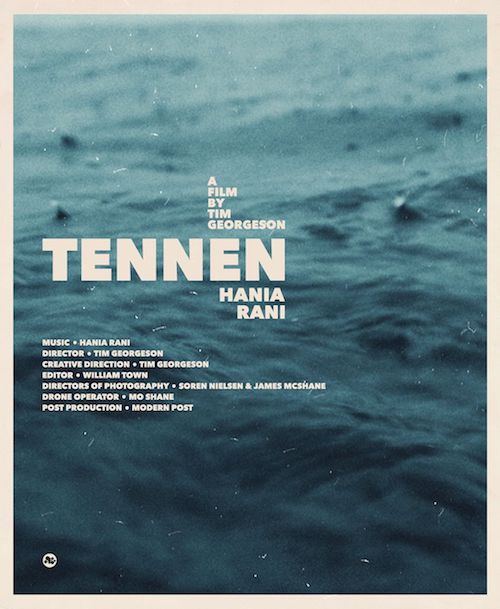
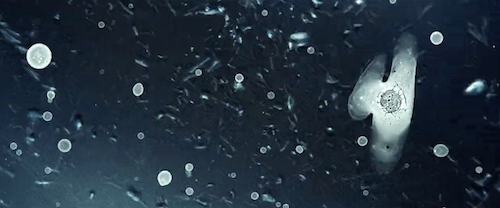
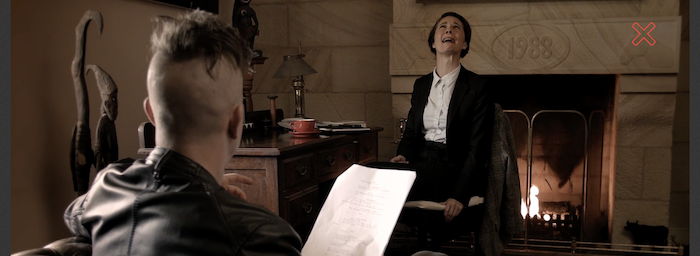
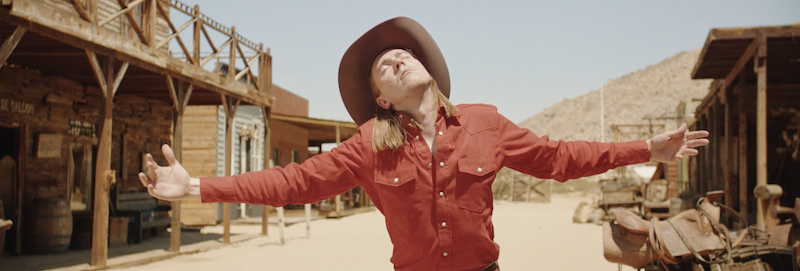
Here is the film:
“Now I’ve built a really inspiring relationship with Hania,” Georgeson adds. “She’s already starting to make some small composition pieces for content pieces I’m making with some of the fire content I shot in Australia and the film has led to another project with Will that I’m creative directing. It’s what happens when you ask yourself, ‘Do we sit there and say oh, shit or do we keep creating, do we stay creative?’”
Resilience and thinking on the fly were probably assets that Georgeson acquired early in his career, when he began as a photojournalist. He travelled around the world’s conflict zones shooting humanitarian stories, working on contract with Médicin sans Frontières and projects with the UN, as well long-term commissions for National Geographic, New York Times, Time and Newsweek.
There weren’t stable or strong opportunities for photojournalists in Australia, so he moved his young family to Paris, the epicentre of photojournalism and won a handful of World Press Photo awards. Then he moved to Amsterdam, his mum’s country of origin. That allowed him to create another silver lining. While he was judging the Dutch photographic awards, he met Erik Kessels. He became Kessels Kramer’s creator of choice, producing campaigns for the agency over a number of years and developing his directing skills.
Georgeson’s commercials retain the rawness and the “realness” that made him a top photojournalist. They gain power by being up close and very personal. “That I build strong relationships with people shows. There’s a strong emotional flow to my work. Today, my commercial work has a more contemporary aesthetic but it still recalls my grounding as a photojournalist,” Georgeson says.