There are many awareness campaigns about plastic polluting our oceans but the problem has even reached the world’s deserts. Plastic is a killer in the deserts of the Middle East. Leo Burnett Middle East and waste management and recycling services company, BEEAH Tandeef, have enlisted a camel called Oklah, to make the world aware of the devastating impact of plastic pollution on desert ecosystems, in a partnership with Dubai Camel Racing Club and a strikingly different campaign called Race for Life.
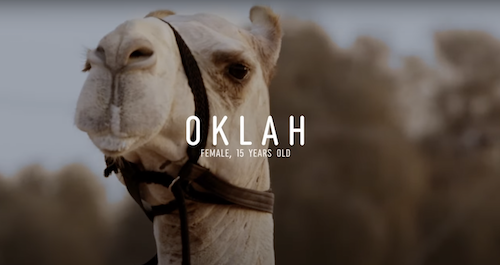
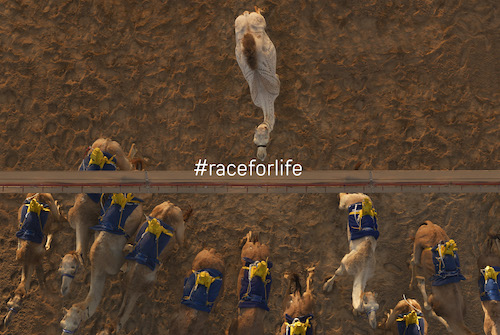
The partners enrolled Oklah into the world’s biggest camel race which is televised across the Middle East.
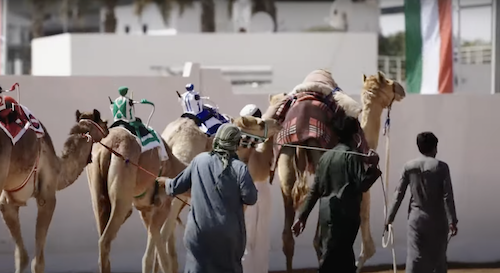
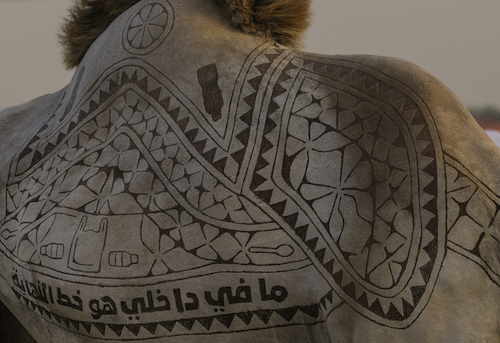
When the race began, Oklah stood still, drawing attention to the message on her body. My race is against what’s inside me, had been written with fur sculpting, which is also popular in the region. What’s inside camels like Oklah is a range of plastic items. Camels will eat anything. Plastic is often found inside the bodies of camels when they’ve died.
Kalpesh Patankar, chief creative officer at Leo Burnett Dubai, says:“Camels made life in the desert possible in the past, they are an important part of the Emirati culture. But these days, 50% of camels in the UAE are dying due to eating plastic litter. So, on World Camel Day, we revealed the story of a camel named Oklah who lost a race so that other camels don’t have to lose their lives.”
By standing still at the starting line, Oklah became a walking billboard in the desert, drawing everyone’s attention to a critical message using the traditional technique of camel body art. This decorative hair style dates back several hundred years and is still used as a cultural communication channel among people who raise and care for camels.
Rafael Sanjurjo Lopez, chief executive officer of BEEAH Tandeef, commented, “As a homegrown organisation, we consider it a priority to preserve the UAE’s rich heritage, including our deserts and indigenous wildlife. Littering in desert areas is a growing issue of concern, and the consumption of plastic waste is detrimental to the health of camels. We believe this awareness initiative will help people to understand and act responsibly to keep our wildlife and our environment safe and clean.”
Race for Life launched onWorld Camel Day (June 22), a day that celebrates the stamina and resilience of camels. This year it also highlighted the plight of camels, in line with BEEAH Tandeef’s mission of building a cleaner and more sustainable world for all.
Over the coming year, BEEAH Tandeef will install dustbins across a vast area of the UAE’s deserts in collaboration with Desert Safari organisers, encouraging tourists and campers to dispose of their trash safely. Oklah’s image will feature on the packaging of sustainable products to raise awareness of the harm caused by plastic pollution, while Race for Life will be made a part of the school curriculum, with kids learning about plastic pollution from an early age to understand why dead camels are often found with kilograms of plastic inside their stomachs.