
110 top creative have dissected and debated the excellence of this year’s AWARD Award entries. The finalists have been announced and the winners are soon to be revealed.
This year for the first time, AWARD will present its winners at CarriageWorks as part of the three day Semi-Permanent festival. That is to happen on Friday, May 27.
Linda Jukic, creative director at Hulsbosch, was chair of the Design category. The Stable asked her about the ideas, creative work and trends that made a special impact on her.
The Stable: What did you most notice about the design entries for AWARD?

Linda Jukic: That would definitely have to be the role of technology. So many ideas converged design with technology, with technology playing a critical role in the manifestation of the idea – Telstra Air’s Light up the night…

…and Keep Australia Fishing’s Underwater Billboard are good examples.
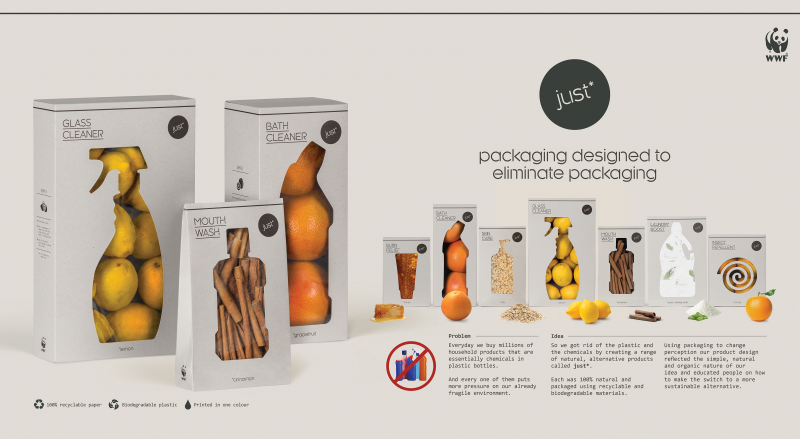
Social purpose and design for good were also strong themes among entries. This ranged from large-scale: WWF (World Wide Fund for nature) with its Just environmental packaging initiative and campaign…
…to really small scale: posters to support and promote the Crown Street School Fete.
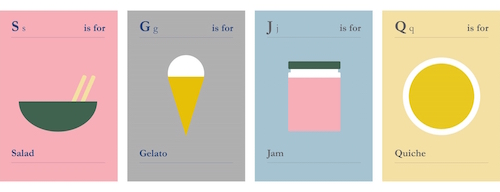
TS: What was it about BBDO Malaysia’s design work for KFC that made it dominate the finalists? What were the two or three other highlights for you?
LJ: Oh the KFC work. So much delight. It would have to be its simplicity and charm that won the hearts and minds of the jurors. Well, that’s certainly how it won mine.

The other highlight for me was the Set in Stone project for Crikey. You take promises of politicians during a state election, set them beautifully in stone in a smart typeface and place them on the steps of the Victorian State Library to create a powerful piece of social and environmental design. I’d love to see more work like this where a strong idea, good aesthetics and a social cause come together.
And if I had to choose another highlight, it would have to be The Underwater Billboard for Keep Australia Fishing.
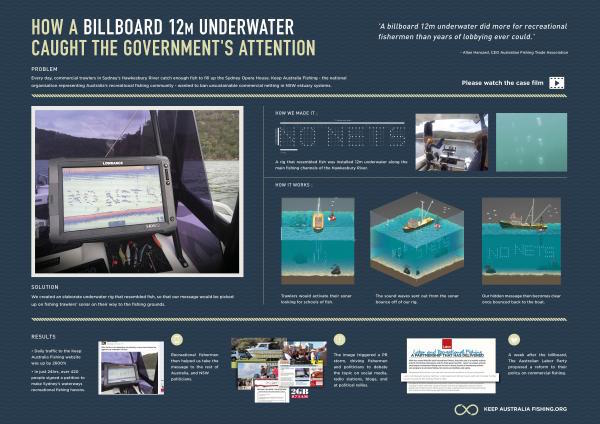
Unlike the Set in Stone project, this was not an elegant piece of design, but what it lacked in craftsmanship, it made up for in problem solving and design thinking. A 3D message rig resembling fish that sends a message via sonar to fisherman in boats to stop unsustainable commercial netting in NSW estuary systems. How clever!
TS: What are the obvious trends in design and what role is data playing in design’s evolution?
LJ: Besides the influence of technology and social cause, which I’ve spoken about, the other trend in design, coming through awards and beyond is definitely good, simple, pure graphic design. That is, a smart idea being so well considered in its execution and craftsmanship through colour, shape, form, type and language that it is utterly captivating, compelling and a pure joy to engage with. It shows that no matter how far we’re coming with technology, good design is timeless.
And your question about what role is data playing in design’s evolution? As with some of the examples I’ve spoken about, data is key in defining an insight in which a creative solution has been created to counter the finding. Data is also being integrated into design solutions themselves. The quantified self, personalised experience/engagement, dynamic design, all live and die by data. And then there’s all the talk about continual improvement and iteration in design, only possible with data to glean from and develop and improve designs accordingly.
So yeah, data is playing a role in design, but we shouldn’t be bound or rely on data. It should simply be a tool in our toolbox, among everything else we’ve always worked with to ideate and make great design happen.
TS: There is some disenchantment with awards. What is your attitude to awards and what, if anything, would make Australia’s design and advertising awards programmes better?
I’m really surprised to hear that there’s disenchantment with awards. Certainly in the industry circles I play in awards are seen in a very positive light – who doesn’t love a bit of recognition for a job well done?
For me. the role of awards is greater than applause and acclaim. Certainly, I see the local awards as an archive of the industry. Where, when and who else could record and aggregate creative work of the time? Creative awards are a great reference of the zeitgeist: social concerns, innovative initiatives and technology, visual styles and movements.
If there was anything Australia’s design and advertising awards programs could do better, would be to consider the role of the client. Work that goes on to win awards has come to be for many reasons – great idea, great execution, great creative talent – but also a client who backed themselves and believed and backed the idea, and for this, they should somehow be recognised or share in the success.
You might also like