Our digital way of life gifted us many things. It gave our curious children access to astrophysical discoveries. It united communities in the wake of tragedy at extraordinary speed and scale. It forced Big Industry to hold itself accountable.
What it also did was equip us marketers to ruin brands.
by Nina Kong, Senior Strategist, JKR René and Yolanda
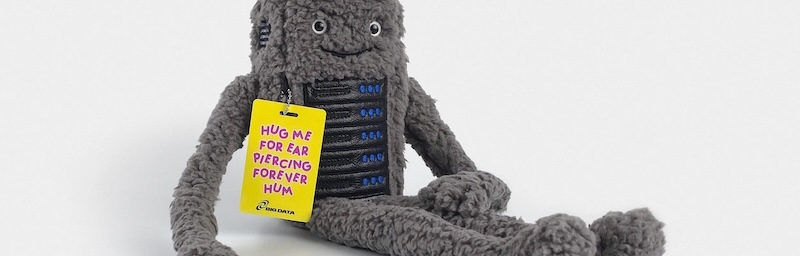
When “modern marketing” burst to life, we suddenly found ourselves with the unfathomable power to be in 100 places at once, blindly operating from the confines of our dark data towers. It became a feverish hunt to be in as many places as possible, and this obsession quickly took over the desire to be interesting. Inadvertently, we created a monster: Brand fatigue.
So here we are today, surrounded by, scrolling through, clicking past mounds of information – and yet how much of what we experience is inspiring, compelling, thrilling? And how much of it do we just impatiently skip, waiting for the actual entertainment to start?
I believe there is the antidote to help us all navigate through – and stop contributing to – today’s epidemic of brand fatigue. The antidote is as simple as it is complex:
Design.
Because design is the secret weapon that brands need in order to play a meaningful role in culture.
Exhibit A. In stark contrast to the quiet and submissive roles that convention dictates, category definers such as Nike are using design fantastically to shape an iconic visual language for women empowerment. The surge is particularly noticeable in Asian countries (relatively latecomers to the global conversation), where there is now a boom of bold, loud and unapologetic design, intended to challenge, to rally and to unite.
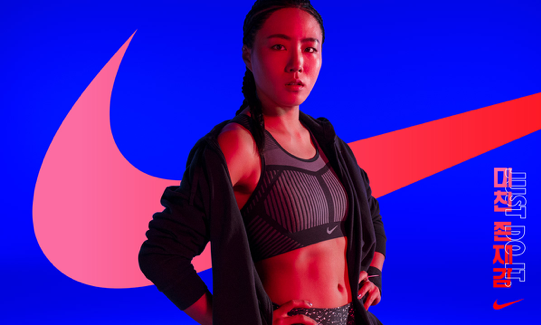
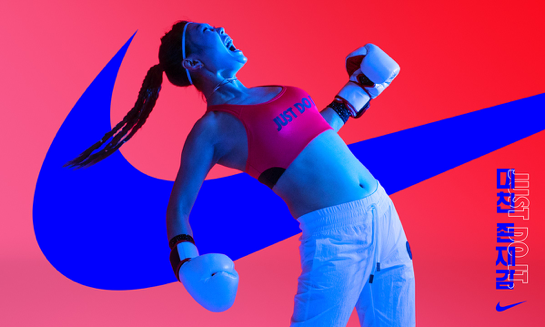
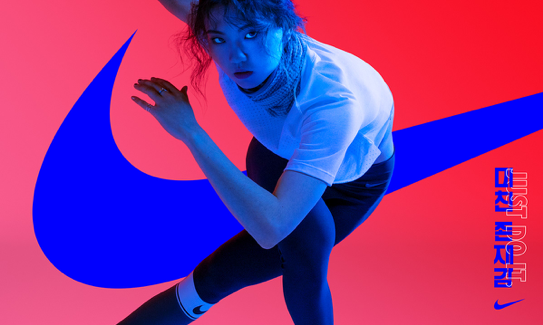
(Image: Nike Korea)
While crucial to creating visual identities for specific causes, design can also help ancient cultures find their identity once again in the modern world.
According to what modern Chinese aesthetic is telling us, there is an emergence of Chinese homegrown brands using design to break out of the shadows of its past (and Western counterparts) to define a unique identity for modern China.
Exhibit B. Harbin Beer, China’s oldest beer brand’s, rebranding signals a shift to define what modern Chinese design is – a concept as elusive as the fast-moving culture it strives to represent. Instead of modernising traditional elements, Harbin instead chose to harness the power of design to capture the spirit of the young Chinese generation, “translating” its sharpness and boldness into a visual language that can be universally recognised.
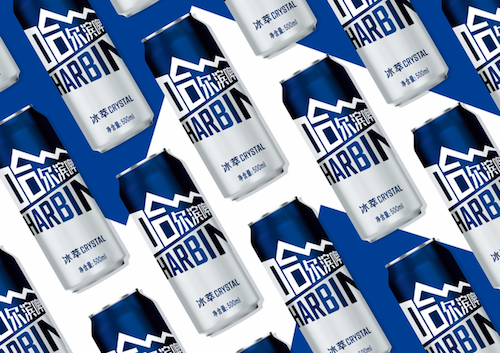
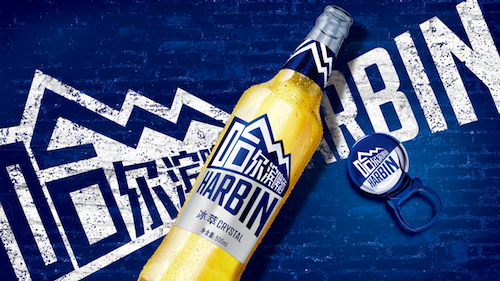
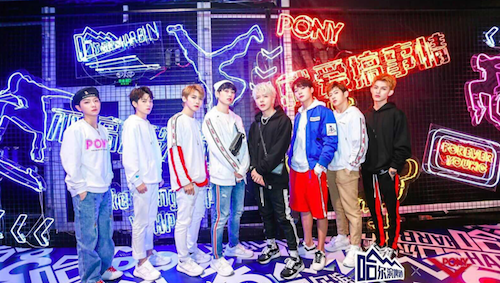
Harbin Beer’s collaboration with streetwear brand PONY at 2019 S/S Shanghai Fashion Week, further solidifying its role within Chinese youth culture (Image: Harbin official WeChat)
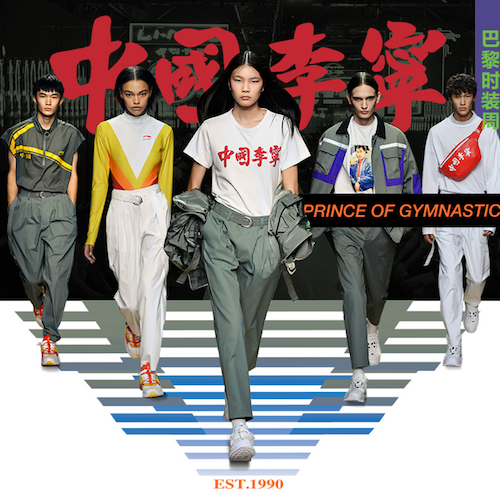
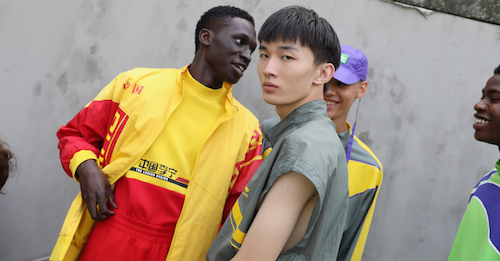
Exhibit C. With its recent success at New York Fashion Week this past February, Chinese sports brand, Li Ning, brought modern China’s newfound confidence to life, drastically transforming Made in China from an indication of low quality to a point of uniqueness and pride, fit for the global stage.
Last but not least, Exhibit D. Coca-Cola is the master of using design to reinvent itself continuously to stay relevant. The key to its success is the enviable rigour it has maintained in building its now iconic white ribbon. Having developed an unchallengeable design asset with infinite potential, Coke now has the space to focus on playing with it to keep viewers engaged across touch points, using clever design to deliver disarming commentary on cultural and societal issues.
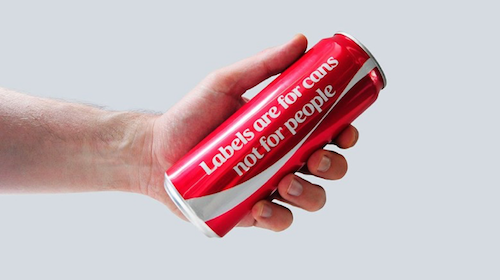
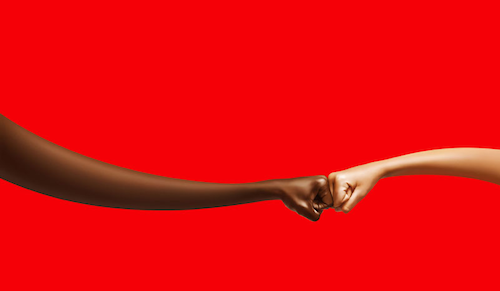
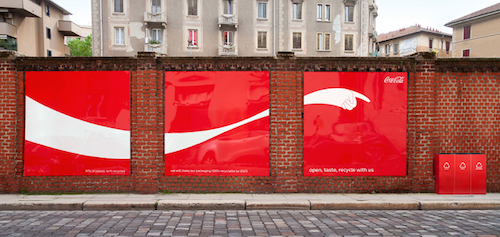
(Image: Coca-Cola)
Through cases like Nike, Harbin Beer, Li Ning and Coke, we get a glimpse into how design is the antidote to brand fatigue. When harnessed well, it can ultimately elevate your brand to play a meaningful role in culture. And at that level, what your brand delivers is no longer an advertising message, but instead it offers moments of solidarity, delight, and inspiration that can leave a lasting imprint.