When the bike appeared in the 19th century and began to become popular among women, it was a revolution. Suddenly, women could go further than their own neighbourhood. They could do so without permission and without asking anyone to take them. In fact, the bicycle became especially popular among suffragettes, becoming a symbol. Which some sectors of society did not take kindly to.
So, doctors at the time invented what would become known as Bicycle Face. A fictitious disease that supposedly affected women who rode bicycles and caused dark shadows under the eyes, generated masculine facial traits and even led to depression, breastfeeding difficulties and miscarriages.
However, they ignored the warnings. And women cyclists and women’s cycling in sports are currently experiencing a heyday, with the official celebration of the first ever Vuelta Femenina. An event that began in Torrevieja, Spain, on May 1 and finished with an ascent to the Covadonga Lakes on May 7. There is still work to be done, however, to remove the stigma of women in sports.
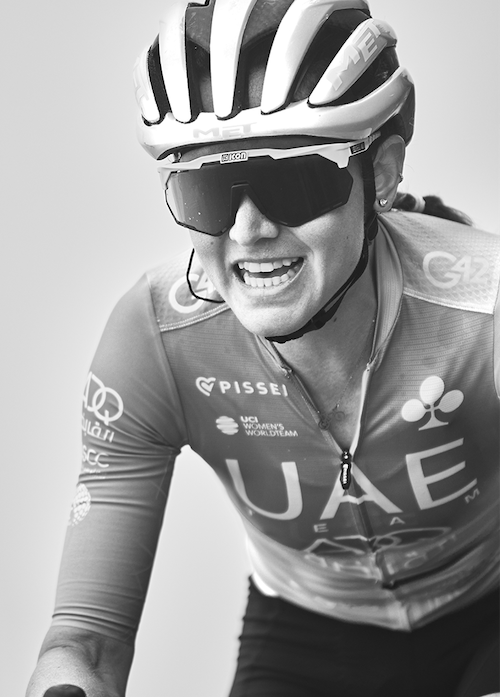
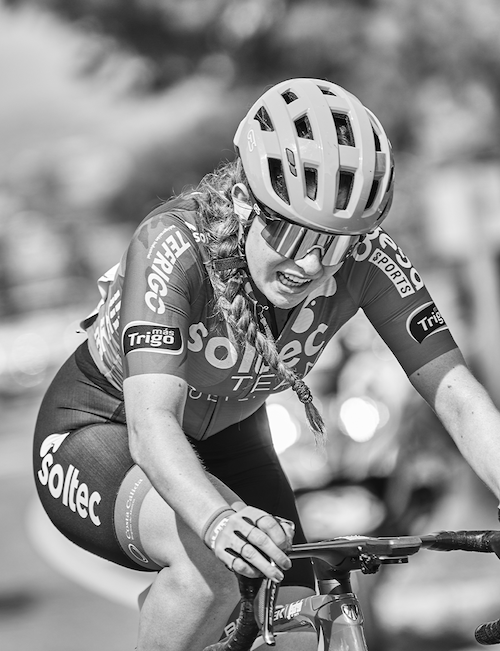
So to mark the Vuelta Femenina, official sponsor, Škoda, and Proximity Barcelona came up with an initiative to celebrate the fact that women never stopped cycling and that women’s cycling has been becoming more and more popular over the years. So, they are launching a photography project to redefine, positively, what Bicycle Face means in 2023: a face showing the effort of getting to the top of a hill, the satisfaction of finishing with the best time or, in other words, the face of empowerment on two wheels.
The work began at the start of the competition. Sports photographers, Naike Ereñozaga and Lara Ortiz de Zárate, took on a photographic challenge – to take moving portraits of the cyclists as they raced to show all of the competition’s faces. The result of this photographic report can be seen at www.bicycleface.es
Ereñozaga commented, “I have witnessed what it has taken for women’s cycling to get here. We’ve come a long way, but there is still further to go.” And Laura acknowledged that, “It is an honour to be able to take part in this project, to be a part of the change, and to have the opportunity to immortalise these moments struggling to win the race that represent the female attitude.”
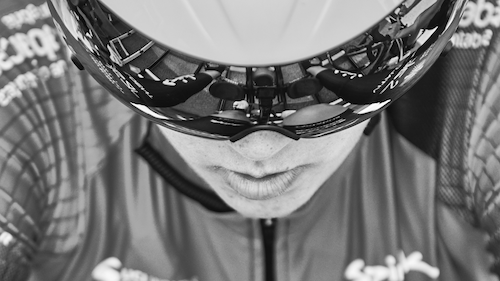
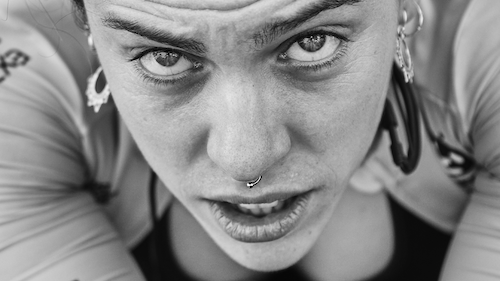
With this project, Škoda Spain is reaffirming its commitment to women’s sport. And, particularly, to cycling.
Miguel Piwko, Škoda Spain marketing director, commented, “Škoda has always had strong links with the bicycle sector. It’s in its DNA. And it’s natural for us to support women’s cycling, just as we sponsor the women’s football teams RCD Espanyol and Valencia CF. Only with everyone’s support will we ensure that women, in sports too, get all the acknowledgement and visibility they deserve.”
Ramon Caba, executive creative director of Proximity Barcelona, added “We’re in a moment in which brands have the obligation to commit, more than ever, to their values. This campaign reinforces what Škoda has been doing for women’s sport and cycling for years.”
Credits:
Client: Škoda
Client Team: Esther Pérez, Miguel Piwko
Agency: Proximity Barcelona
Executive Creative Director: Ramón Caba
Creative Directors: Laura Cuni, Anna Soler
Copywriter: Federico Narbón
Art Director: Ana Garin
Account Manager: Arantza Bilbao
Account Supervisor: Aida Mateo
Producer: Astriz Menéndez
Photographers: Naike Ereñozaga & Laura Ortiz De Zárate
Social: Fiorella Diaz & Alex Benito
Public Relations: Laura Carrillo
Media Agency: PHD Media