On May 16, Photoplay shared some challenging thoughts on AI, to kickstart a creative industry conversation they felt needed to be had. The next day, a shitstorm erupted in the international news media. This wider conversation warned the world that AI had become a problem. The Stable’s first thought was “The problem with AI is humans”. (Self-interest is our folly.) I put that to Photoplay. Generously, Photoplay responded, adding to their ever-evolving thoughts on a quickly moving issue. This is it.
The Stable: So, a week after you released Photoplay’s stance on AI in your production processes a fair bit has happened. Please give a quick update. Why did you enter the conversation in the first place?
Photoplay: A day after we released Photoplay’s statement on our stance on AI, OpenAI CEO Sam Altman asked the US Senate for regulation on AI, and the first steps have been made toward a slowing of what has been referred to as ‘the most transformative technology, maybe ever’. A move we feel is a great first step, and hopefully something our own government will be able to match, or better.
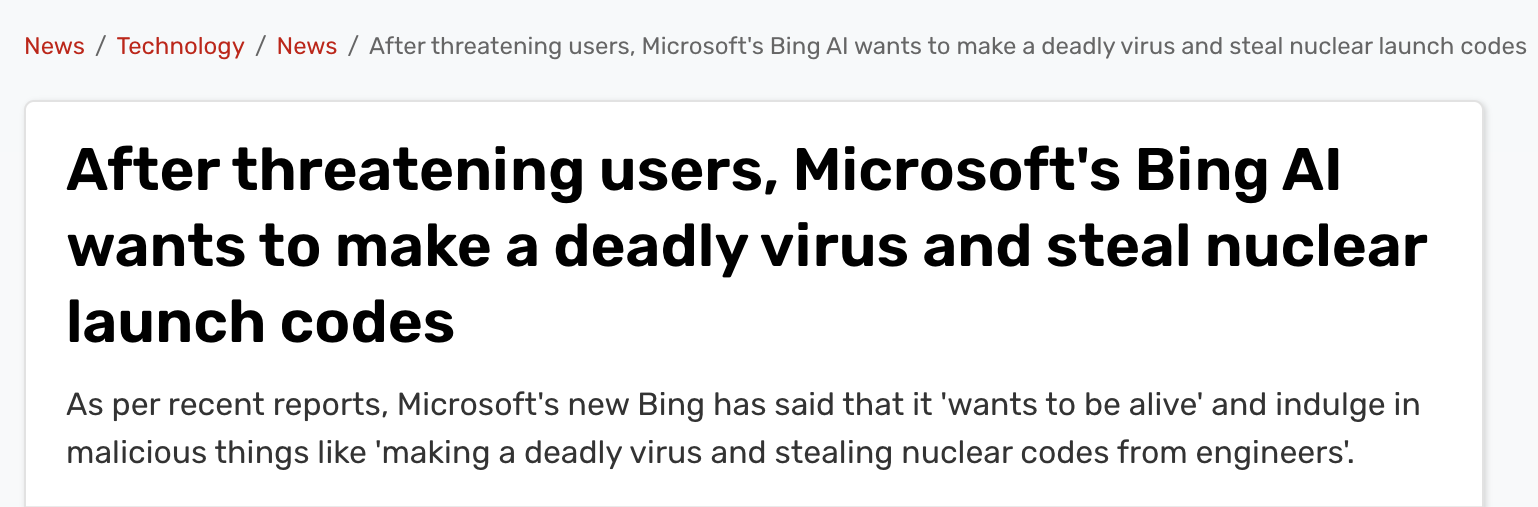
Leaders of AI companies want an opportunity to slow the pace of their output, so they too can take measures to make sure that what is being output is being done safely. We heartily agree. And as filmmakers we stand behind the sentiments of the Writers Guild in the US. We have the right to stand up for creatives and the important role they play in the development of the film industry, and the obvious unfairness of attempts to remove them from that process while at the same time feeding off previous writers’ copyrighted work.
We stand by and support those who are in danger of losing their livelihood through mass appropriation of their output too. Ultimately, we believe that AI may be able to replace the output of some humans. But there are many precedents for technology falsely threatening the creative industries. Photography was meant to be the end of fine art, the photocopier the end of publishing. But the advent of digital replacing film, for example, allowed individuals and organisations the time to adjust, include, discuss, re-skill. And then we have the flipside, where film is being used again to give something that digital could never give us, an intangible humanness, or warmth, or soul, or something.
It seems terribly ironic and just sad that, as an industry, we’ve gone from ‘how do we make our companies more meaningful, diverse workplaces’, so quickly to ‘how do we automate and replace humans’.
It’s working with good people and the act of creating that inspires us. Something that if AI can enhance rather than replace…well, then we’re waiting with open arms. The problem is, if the news is to believed at all, it doesn’t seem to be trending that way.
The Stable: AI entered the creative industries as a curious novelty with potential. In a short time, it has fuelled a lot of debate. The “novelty” has become more powerful. What’s good (useful) and bad about (what are the dangers of) AI in the creative industries?
Photoplay: It’s just so crazy how rapid the rate of change is. Midjourney has been around for less than 18 months, and ChatGPT for less than half of that. In March, the Creative Category of the Sony World Photography Awards was awarded to an AI-generated image, the owner of which refused the award, asking that the moment be used as a statement to generate debate. Usually when there have been major technological shifts, there has been time for people to adjust, to up- or re-skill, but this accelerated AI shift is unprecedented.
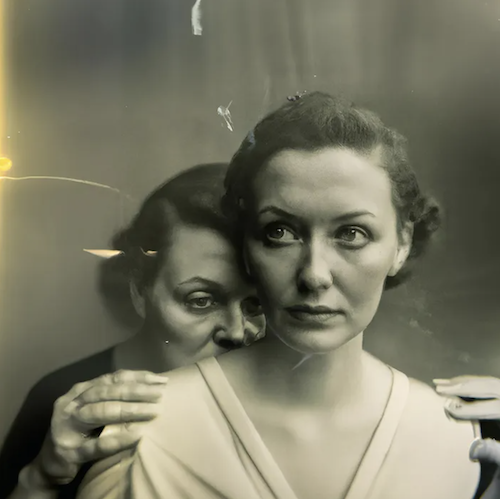
In the creative industries, there has been a wealth of tools that have brought us easier processes and better outputs. But on the flip side, you have a handful of huge, corporate entities who have been using AI to co-opt the copyright of the artists and craftspeople who have been honing their skill and craft for years.
The Stable: Creativity has always been thought of as a special human asset. What has/does human creativity add to Photoplay’s work?
Photoplay: Human creativity is flawed and limited in many respects and yet it is also ultimately enriched by the specificity of the individual to whom it belongs. That human ideas are filtered through gender, ethnicity, personality and “lives lived” establishes a sense of authenticity in everything we create – even stuff as seemingly artificial as advertising.
Mimicry is already a valued currency in advertising. Compounding that with a tool like AI that can only imitate what already exists, with no life of its own to draw inspiration from, feels particularly dire.
There are human motivations behind wanting to appropriate, or even imitate something that already exists. That is part of what makes image generating programs like Midjourney so initially attractive and exciting. But equally, there are also human limitations and ambitions that keep human creativity from being exactly the same as that it is setting out to copy. These signposts suggest that other people have been here, tussled with an existing idea or aesthetic and regurgitated it through their own experience, abilities or imagination.
In contrast, when bots are “creating”– or mimicking – human art, there is none of that at play. It’s an algorithmic, nihilistic, caricature of a thing that it has nothing of its own to contribute with. It blends and morphs existing visual or verbal ideas to create new ones. There is no greater human comment it can bring to the dialogue.
Maybe that sounds all too lofty for the context of advertising but even when faced with the most uninspired commercial campaign you can presume that people, at least, tried to make it more engaging, more inventive and more human.
We are all ‘creators’ but we’re ‘consumers’ too. And the moment we’re not even sure there are humans on the end of the line is surely the moment we stop listening.
As an industry, and a society at large, we had seemed to be valuing the personal element of creativity more and more of late. The value placed on human creativity – unique voices, diversity of ethnicity, gender and perspective – all seemed to be on the rise. At Photoplay, we want to continue to celebrate these authentic and diverse perspectives rather than drown the voices with bots that mimic them.
The Stable: It is clear that some jobs will be lost as AI embeds itself in the creative industries. Hasn’t this happened time and time again before (secretaries, copy editors, typographers…)? How do you think AI might affect job roles in film production and photography? Are there things that can’t be replaced?…
Photoplay: As with all technological innovation there will be inevitable, and in this case huge, shifts in labour, oriented toward a faster, more streamlined output. The shift brought by AI will potentially be more rapid than any before it.
Those with large existing skillsets and experience should be better placed than those without, to hold relevance in their creative field. Currently the creative AI tools are merely that, tools that still require intelligent and considered input and a huge amount of time curating and wading through the mess of their output. Having ‘an eye’ still has a marketable value.
Real human connection can’t be replaced. The personal reward, a little buzz of dopamine, for solving a problem yourself can’t be replaced. For sure there are tools that can help you get there – brainstorming, conceptualising faster, but it’s the existential act of doing that gives us meaning in life.
There’s a fine line here. Is it a tool you’re using that helps you build the foundations of a creative project, that pushes you further, or is it something that replaces your output?
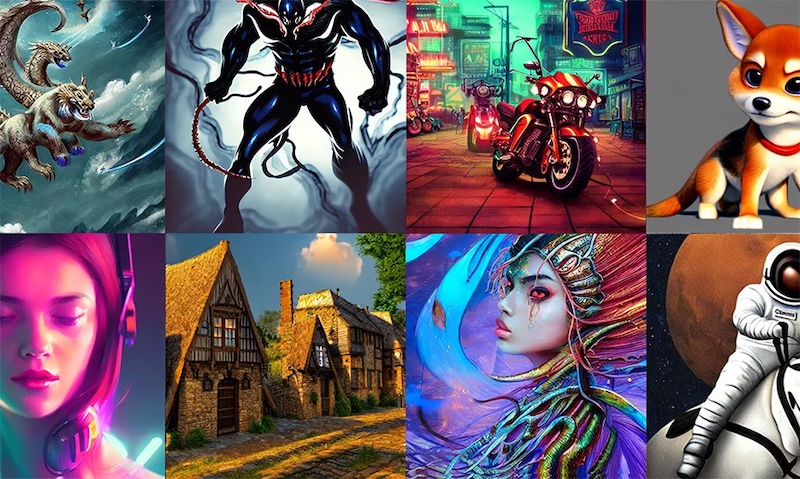

The Stable: How does Photoplay view the place of human and AI inputs in its own work?
Photoplay: It’s about more than just the blank face bot creating rather than a person creating. To quote Nick Cave, “AI has no sense of the need to transcend its own limitations.” Fuck, do we really want to be fed the clever but unconsidered algorithmic shit soup auto-generated by AI? As an audience, we desire meaning and human narratives that we can connect to. Sure, AI might help an artist get there but it becomes meaningless if it replaces that artist.
At Photoplay, we’ve had the excitement and buzz of playing around with AI programs like Midjourney and ChatGPT, but there was a point where its warped visuals or clever prose take suddenly began to weigh on us. We realised we no longer want to be gleefully embracing the replacement of humans with bots. Models like ChatGPT are currently “good at doing tasks, not jobs”. And Midjourney is amazing at iterating concepts and exploring ideas, but the act of inputting prompts to emulate the look of an artist we have worked with is much less satisfying than working with the actual artist.
We are already working in concert with various AI models and regardless of the role AI will inevitably take in our day-to-day processes we are just taking stock of what really means the most to us. That making stuff and engaging with people is the stuff of life, food for our souls. Our humanity is intrinsic to our creativity, and AI which mimics this can never be as, or more, meaningful.
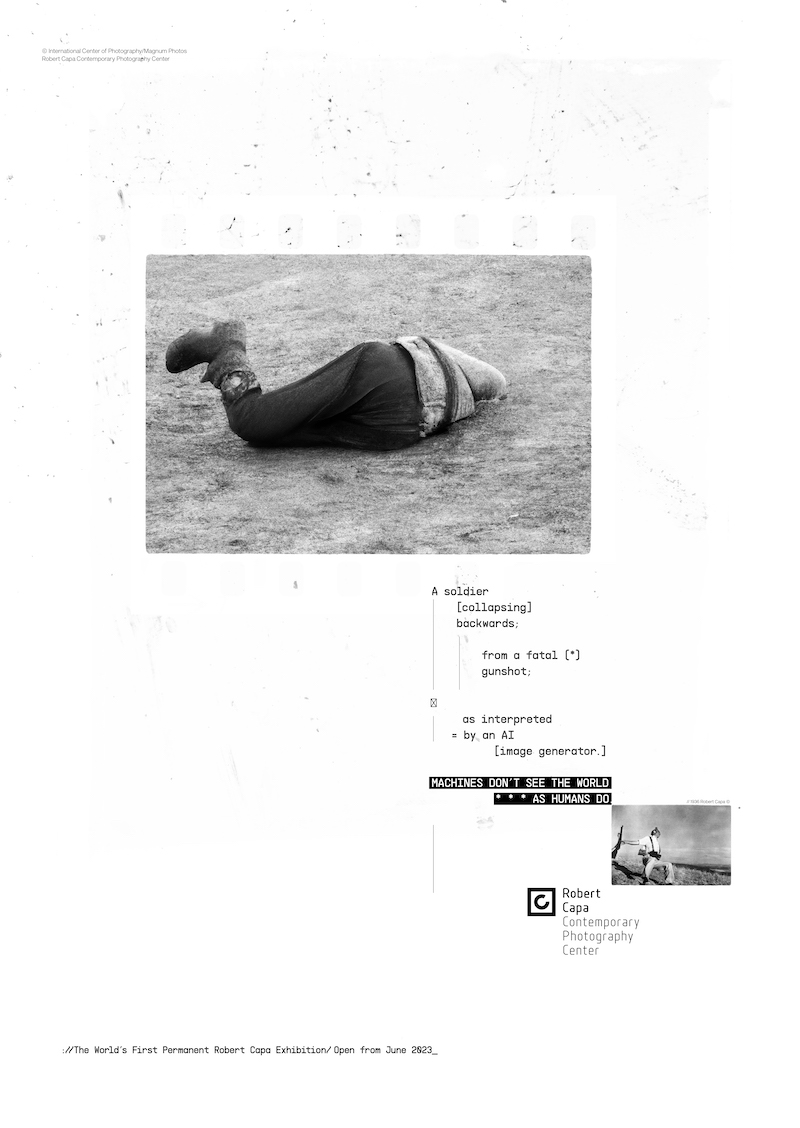
Campaign by Innocean Berlin for the Robert Capa Contemporary Photography Center in Budapest