This is the other half of The Stable’s debate, which is really a conversation that’s aiming to be helpful. The Stable asked a group of top agency creatives, “How can production get the best from agencies,” and asked production people, “How can agencies get the best from production companies.” These are production people’s views. (Agency creatives’ views are in the story that is linked below.)
Oliver Lawrance, managing director & executive producer Photoplay / Playtime.

The dream is… a creative brief from an agency to a production company with freedom to elevate their concept, that you collaborate with and go on a journey together where client listens to the best ideas and there’s a relationship of trust, and the final film is much better than any of you imagined… bigger than the sum of parts. Yet we work in a creative field where just one missing link brings the whole film down. So how do we all collaborate to get to great films that cut through and actually work for all stakeholders?
Early Collab. Creative conversations need to happen as early as possible. As soon as agencies have scripts or concepts, involved your production partners early on as sounding boards on approaches, solutions and ballparks and sense-checks. This is what creative producers love to do, solve problems and bounce ideas on how best to bring something to life. We can brainstorm multiple ways to execute an idea that could perhaps inform the script or creative, best approaches to work within the frameworks of budgetary and time constraints, or strategies on how to pitch options to client.
Another crucial element to the success of any campaign is about taking an integrated approach to ideas and considering all touchpoints early on in an integrated fashion for films, stills, outdoor, socials. Why can’t all these elements be worked out together? So often, stills and social components are briefed out much later and expected to be tacked onto the back of TV shoots, with very little forward notice given to production companies and with little planning, putting pressure on already tight shoot schedules and ultimately impacting creative output for TVC, and not necessarily in the most cost-effective manner either. At Photoplay, the film side of the business works in tandem with the photography side, meaning we can provide not only production efficiencies but also cohesive and integrated creative output from the outset.
Let’s plan for film and stills to work together in early pre-production stage. Great photos aren’t made from shooting the shit out of everything and great films can’t happen if they lose talent for hours. Ensure photographers also attend the tech recces and create a space in pre-production where these worlds collaborate and work together.
Finally, trust is the most crucial ingredient to true successful collaboration. Trust means giving the production company, directors and photographers the space to respond with solutions or ideas when client questions or other curveballs arise. We can help but we need to be a meaningful part of the conversation.
Some Examples of early collaboration and trust:
Dropbear’s work for Department of Community Services with Ogilvy Sydney:
The agency came to us early in creative development, with a creative concept attached to an extremely challenging schedule, and together we brainstormed the scenes to formulate a script that suited the creative technique and was realistically achievable in their tight schedule.
Scott Otto Anderson’s work for Pauls Milk, agency The Monkeys.
With this client, all work is subject to a rigorous and lengthy research process, so it was decided to bring in director very early, to be involved in developing the storyboard animatic that would go through research. Scott Otto Anderson worked in collaboration with the creatives, to create storyboard animatic with his set designs and camera angles built in, so when it passed research we had a clear path to take that was informed by the director from the outset.
Roy de Giorgio, founder & executive producer 13CO
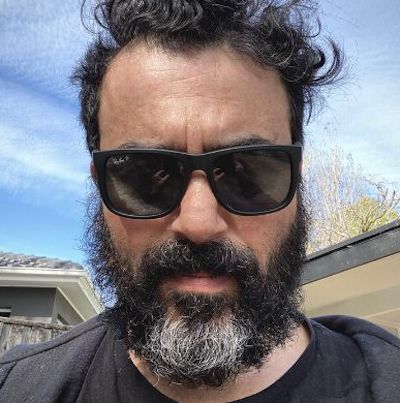
Production is where the collaboration of minds come together to make magic. The culmination of an on-point strategy, a flawless brief, the perfect creative idea and the right director to encompass the vision.
And the director’s vision is what you are entrusting to production. Agencies have done their due diligence in choosing the right director based on their reel, their passion in the written treatment and commitment to the project. Following this must be the trust. Trust that production will pull everything within their resources to deliver on this vision. Trust that the director’s vision is their part of the collaboration. Trust that their experience in film craft is the reason that they got the job to produce. Trust that their eye for detail and vision for the look and flow of the film will be created in the light that they presented.
We always strive for the best possible film. Each production is a ride, totally focussed on the final outcome. Always grateful for the opportunity and trust to deliver above and beyond what was expected. This is where the magic happens.
Anna Fawcett, executive producer, Filmgraphics

Every project brings together an eclectic bunch of personalities. It’s really important that everyone is part of the same team; that’s what makes for a good production. Choose a director who shares your vision, it’s helpful to tell the director the work that you like on their reel, to give them an idea of the tone or look you are after. The agency should let the production company in on how the client likes to work, any red flags to watch out for. What their expectations are.
Allow time for the creative process to take form with discussion of ideas. Go through the treatment again. Sometimes directors write what they think the agency wants to hear, to win the job. But they may have some ideas that take your project to the next level. Clients want this too, so discuss with them. Communication is vital these days with so much correspondence being in emails that can be misinterpreted or misread. Pick up the phone.
Agency and client need to find the time to enable them to contribute as much as they can before the shoot, to go over casting, storyboards, etc. in detail. Leaving this until the shoot day when we now have to do so much in one day, is putting the production at a disadvantage. And give the director the chance to set up the shot before the comments start. It’s not formulaic what we do. Trust your director with some of their choices.
Before presenting a script to client, speak to your production partners to get an idea of what it will realistically cost to make. And together work out what can be done for what the client’s budget is. And please remember we are all in business. If we trust each other, and have total transparency with budgets then the end result will not only be a better job but the experience of working together will be enjoyable.
Greg Fyson, executive producer, Sweetshop
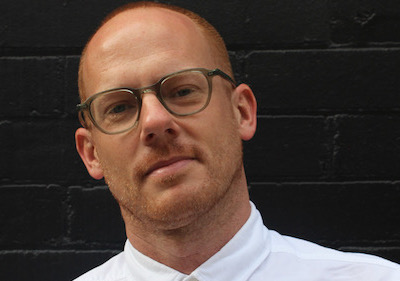
As the mantra goes, “to pitch is a privilege”. Sweetshop is here to solve problems and help bring fantastic creative ideas to life. Writing to a budget can sometimes be a hurdle for agencies, but by scoping work before a script has been client approved or formally treated this challenge can be overcome.
A great example of this was Sweetshop’s recent production directed by Jared Daperis for Leo Burnett and Lifeblood.Close collaboration throughout the creative development of the spot with both agency and client helped to get the very best out of the resources available.
Agencies should never hesitate to share concepts in their infancy. We are honoured to help with top-line ballparks and put our heads together on budget and or production challenges to get a script to a place where we can all make great work.