“Texting is brilliant but it’s important to remember that there are other ways to connect.” This may be the saddest comment about modern life ever uttered. It was said during Uncommon’s latest edition of its Britain get Talking campaign with ITV.
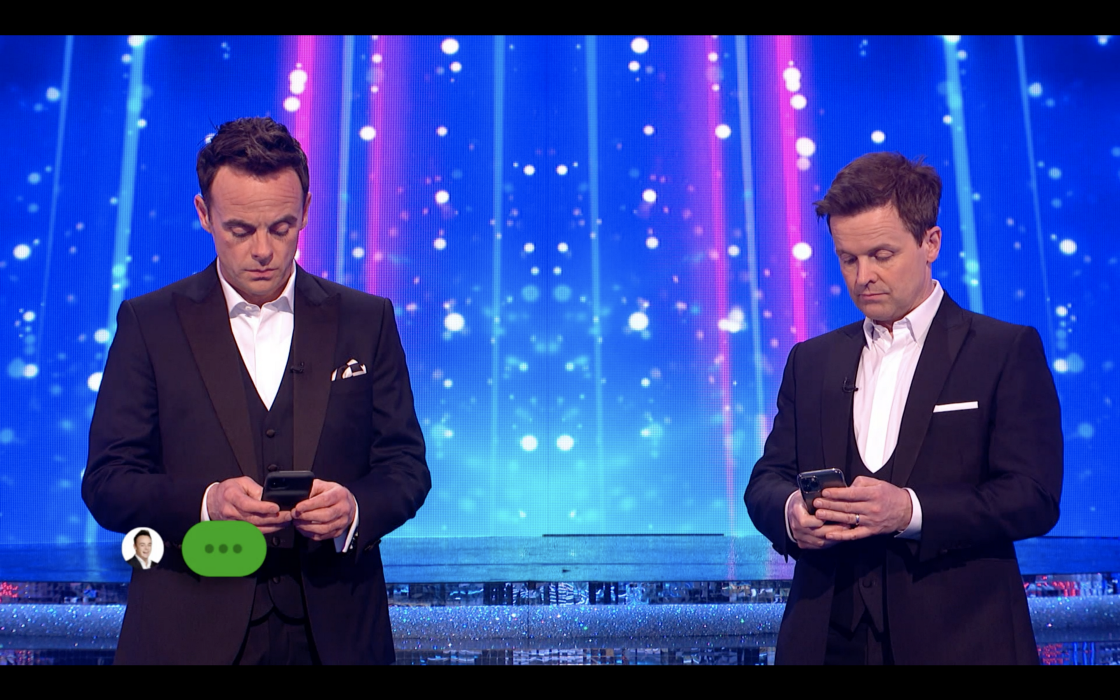
In the Easter holiday edition, Ant & Dec tried to interview Olympic athlete, Sir Mo Farah, by text on their show, Saturday Night Takeaway. Auto-correct and long pauses while people were typing made the interview awkward and stood in stark contrast to the usually lively chatter and energy of the show. The aim was to highlight the importance of having better quality conversations. Aim achieved.
Ant and Dec, who have supported Britain Get Talking since they launched it in 2019, commented, “We are really proud to support the Britain Get Talking campaign which has already encouraged millions of people to connect. This latest part of the campaign is a reminder to think about, not just how much we’re chatting, but what kind of conversations they are. After the year everyone’s had, the message of Britain Get Talking couldn’t be more important.”
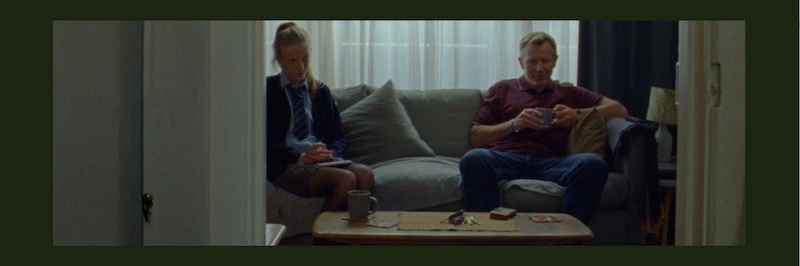
Uncommon’s new edition to its campaign, which is supported by Mind and YoungMinds will be followed by a new creative idea, running in ITV airtime called The Britain Get Talking How to Chat Show, a series of 30 second ads that will also include longer content on ITV Hub. The campaign and interview series emphasises the same theme of how better conversations can help with the line, The better you talk, the better you feel.
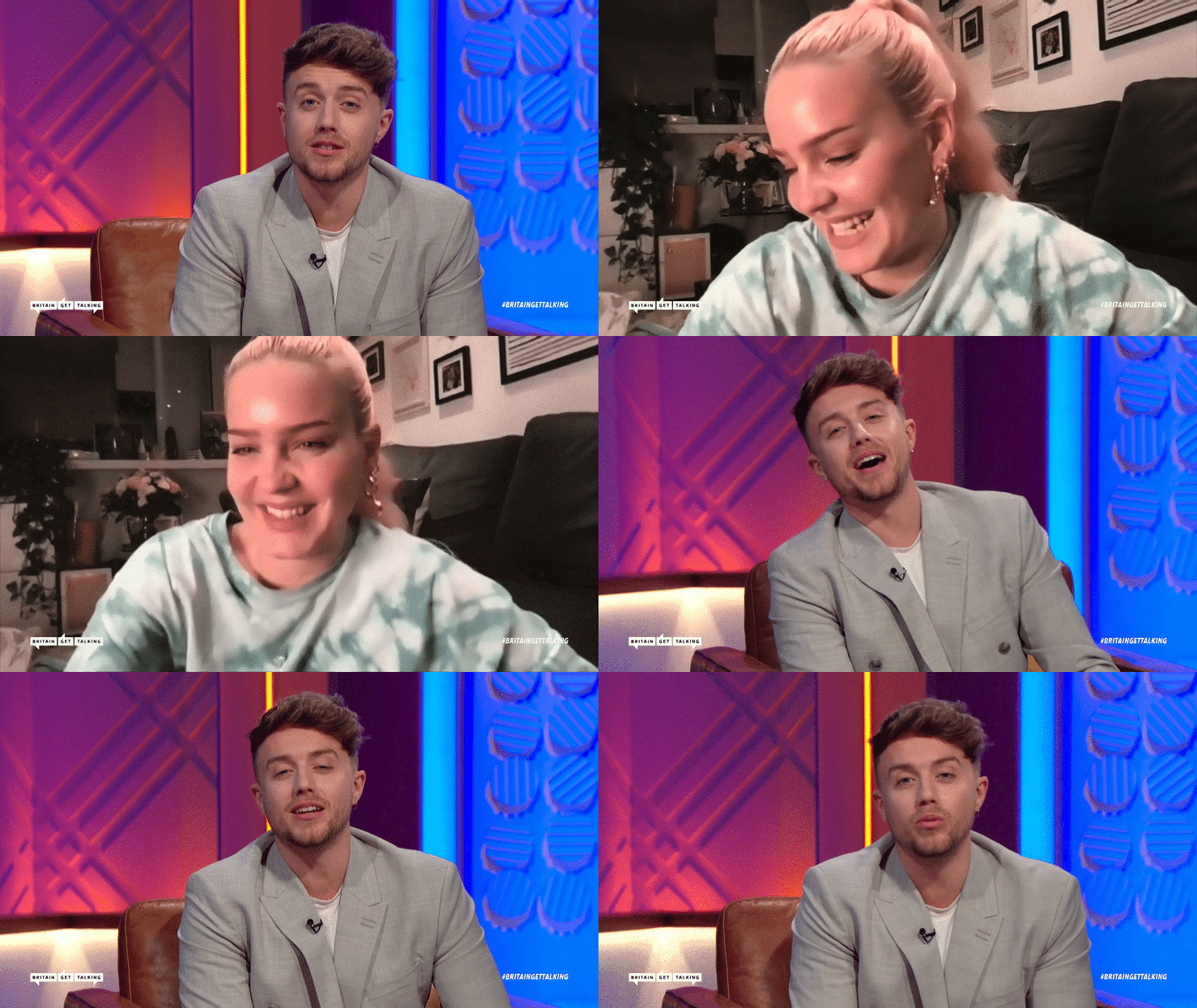
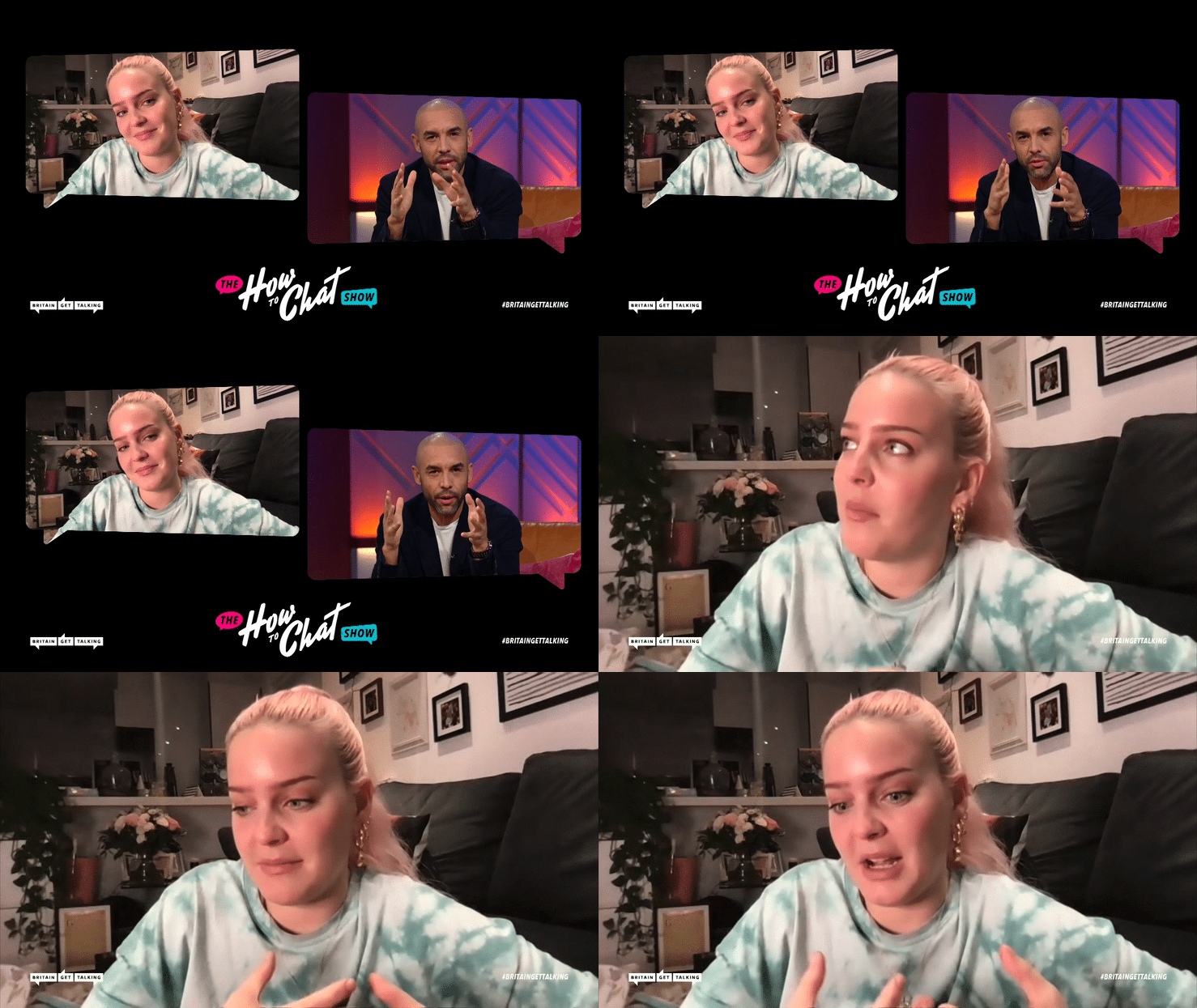
The Britain Get Talking How to Chat Show series will be hosted by Roman Kemp, Alex Beresford and Rochelle Humes, and feature Anne Marie, Charlene White, Dr Ranj, Nicholas Pinnock and Sanjeev Bhaskar. It will dive deeper into overcoming barriers and techniques for having better quality conversations through real experiences and stories shared by the celebrity guests.
Singer-songwriter and The Voice judge, Anne-Marie, gives her top advice for having a good conversation, “You need to listen most when people aren’t saying anything. Even if they look like they’re doing okay I just ask them anyway.”
Unforgotten actor, Sanjeev Bhaskar, stated, “We were brought up by society to believe that as blokes we fix things. My son is 15 and one of the things I encourage him to do is that if he can’t talk to me then talk to someone else. Vulnerability shared is actually a strength.”
Britain Get Talking originally launched in October 2019, by pausing Britain’s Got Talent to give people the time back to talk. The initiative launched as part of ITV’s ongoing objective to encourage 10 million people to take action and improve their mental or physical health by 2023. When the pandemic hit last year, ITV ran campaigns continuously around mental wellbeing and put Britain Get Talking back at the heart of the channel, encouraging people at a time of physical isolation, to stay connected and keep talking, which was more important than ever, throughout the multiple lockdowns the UK faced.
Since Britain Get Talking re-launched in March 2020, 6.4 million people have made calls or sent texts to friends and family as a result of the campaign and last year the campaign also raised £1.4 million to support mental health charity helplines, including donations from the Department of Health and Social Care. Britain Get Talking continues to be the UK’s most recognised mental health campaign.
Susie Braun, head of strategy for ITV Social Purpose, noted, “Connecting with other people is one of the best ways we can look after our mental wellbeing. Britain Get Talking has got millions of people to have a chat since it first launched — so in this next campaign we’re focusing on not just quantity but quality too. A good conversation can make the world of difference, especially after the tough year we’ve all had.”
Paul Farmer, chief executive of mind, added, “However you choose to do it, taking the time to check in and really engage with friends and family is important. The last year has been tough for many of us. Our coronavirus survey of 16,000 people showed that over half of adults and two thirds of young people said their mental health got worse during the pandemic, with many developing problems for the first time. Even as lockdown is easing, we know that many of us will still be feeling the impact. By having open and meaningful conversations with our loved ones we can support each other when we need it most.”
Emma Thomas, chief executive of YoungMinds, concluded:, “We know from young people and parents we work with how hard it can be to open up about the pressures you face, and how important it is to know how to respond when someone does. We’re really pleased that Britain Get Talking is encouraging open, supportive conversations across the country. Even as restrictions begin to lift, this is a challenging and uncertain time for lots of young people and parents. Good conversations with friends and family can make a huge difference, backed up by more specialist support for those who need it.”
The Britain Get Talking website also hosts information on how to have better quality conversations, as well as sources of support for viewers who can’t rely on family and friends. ITV and Uncommon have been working in collaboration with Britain Get Talking charity partners, Mind and YoungMinds, in developing the campaign, alongside SAMH in Scotland.