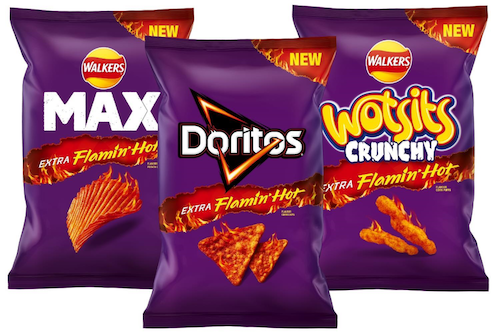
Extra Flamin’ Hot is the new trend in Pepsico snack foods. It’s spread across the company’s Walkers MAX, Doritos and Wotsits Crunchy ranges. For many, it’s the hottest new taste thrill, but for some, it’s too darned hot
So on April 1, Pepsico began selling sell milk miniatures alongside its hot-hot snacks in a campaign by VCCP London. The Not Extra Flamin’ Hot Milk will be on sale in the UK for “as long it takes for the British taste buds to mature to the spicy new flavour,” stated Dalila FopsRoy, Extra Flamin’ Hot’s, head of brand innovation. “We’ve examined the data and there are certain parts of the country that, to put it lightly, can’t take the heat.”
Extra Flamin’ Hot has also taken the unprecedented step to release data in the form of a Heat, heat map, showing those parts of the country that can, and can’t, handle the heat of the spicy new snack. Research reveals that Glaswegians are the biggest lovers of spice in the UK, with two thirds (67%) claiming to either like or love spicy food, while those in Belfast like it the least. Just under half (44%) said they either liked or loved spice, while over a third 34% said they either disliked or hated it. Scots also come out on top when it comes to how they physically react to the burn. According to the data, Edinburgh has the greatest tolerance to heat, while just over half (54%) of the spicy residents of Aberdeen said it was ‘the physical reaction I get from eating spicy food that gives the most pleasure’.
Dr Paolo Salify, Extra Flamin’ Hot’s director of heat transference, noted, “We have been considering a milk miniature to sell alongside Extra Flamin Hot Wotsits Crunchy, Doritos and Walkers MAX for some time. With the arrival of this new data, we decided to expedite that decision and get it on the shelves to help cool the burn Brits are reporting as quickly as possible.”
Not Extra Flamin’ Hot Milk will go on sale in Belfast initially, where 41% have either a low, no, tolerance to spicy food. A nationwide rollout is expected to come in the coming days and weeks, with the most heat intolerant parts of the UK being prioritised.