“We know that achieving a world where everyone is connected and is protected from suicide is a long way off – but we remain undaunted and ever-committed to doing more, doing it better, and making a real, lasting difference.” Rebecca Lewis, campaign director, of R U OK? is continuing the work begun seven years ago by Gavin Larkin.
R U OK? started as the passion project of this one man. Its aim was to protect other families from feeling the pain, loss, confusion and hurt that occurs after a suicide death. R U OK? now known by 70% of Australians and 1 in 5 of these did something to mark last year’s R U OK?Day.
STW and now WPP AUNZ are also undaunted and ever-committed to doing as much as an agency network can. The networks have been from the start of R U OK? Mike Connaghan, for example, is still on the R U OK? executive team. Their campaigns have supported R U OK?’s successes, and underpinned its growth. It now operates R U OK? at Work and R U OK? at School, for example.
“While we are pleased with the traction so far – and delighted the brand sentiment is overwhelming positive – we are anything but complacent. We don’t see awareness as an end in itself. Rather, we want to transform awareness into intention (that is, a commitment to reach out to family and friends on a more regular basis), and then transform intention into action (people having regular, meaningful conversations throughout the year),” Lewis commented.
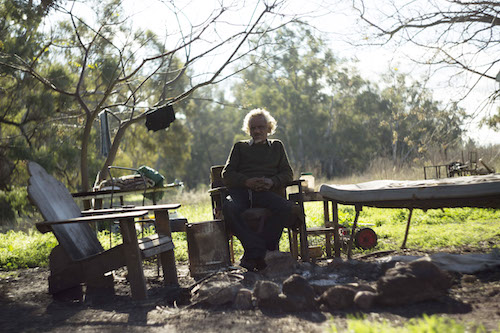
Frank (Riverbank) Doolan, who is features in this year’s R U OK? campaign. Cover image, Justin Geange (left) and Michael Huxley (right) from the campaign.
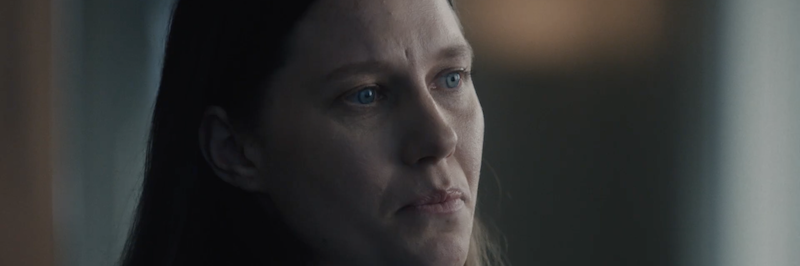
This want led to a very different campaign this year. A content campaign by Y&R, spearhead by creative director, Sam Yeomans, and directed by Tim Marshal. A very simple content campaign that captured complex emotions. R U OK? reunited three pairs of long-lost friends. Their stories were deliberately moving, raw and inspiring – so that anyone watching was motivated to follow their lead.
The Stable: What was the thinking behind the 2016 campaign?
Rebecca Lewis: This year, we wanted to emphasise the importance of strong relationships. Strong relationships make it much easier to initiate conversations about life’s more troubling and upsetting moments. These relationships also help us notice the changes that suggest someone might be struggling and need a bit of support from the people around them. So this year we focused on the power of reconnection.
To capture people’s imaginations and inspire them to reconnect with people in their world, we knew that our TV ad campaign had to be gutsy, ballsy and emotional. We knew the talent had to be genuine and the stakes of their reunion had to be high. That’s why we found three pairs of long-lost friends who wanted to be reunited after a long separation – but needed our support and guidance to make it happen.
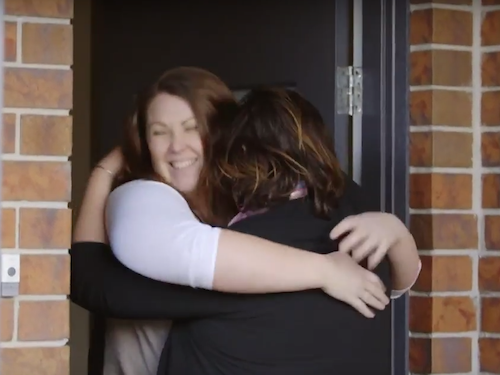
Jay and Sam
TS: How did you find the pairings and what was it about the three “couples” that made you choose them for the campaign?
RL: We went out to the R U OK? supporter community via Facebook and our newsletter database. This largely ensured that people were genuine and understood what we’re about and hoping to achieve. As we went through the screening process, we also had to ensure that everyone understood what it meant to be part of a TV ad campaign, particularly if their reasons for being separated were related to mental health issues. We had to know that they were prepared to share openly and honestly what this person meant to them and how they were feeling about the reunion itself. And against all this, we also wanted to make sure that the talent reflected some of Australia’s wonderful diversity. It was a hard balancing act – but I think we got there.
These six people are real heroes because they were prepared to lead by example on a national stage. That takes courage and incredible generosity.
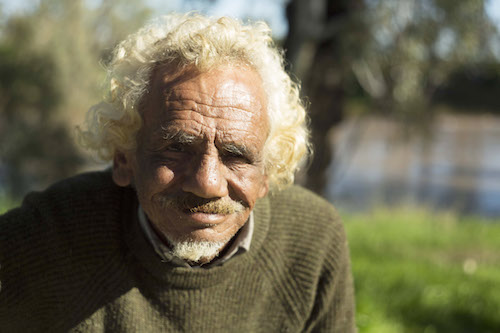
Riverbank Frank
TS: What were the goals for the production?
RL: The principal goal was authenticity. The stories had to be believable because we wanted people watching our ads in their own homes to aspire to a similar outcome, and hopefully pick up the phone that very day. To help achieve this, the crew was relatively small (so we didn’t overwhelm the talent) and our director (Tim Marshall) had numerous conversations in the lead-up to the shoot to establish a rapport, trust and understanding between himself and all the people being interviewed. The biggest challenge was absolutely finding the talent (because it’s a big ask of someone), but once the couples were confirmed, it all fell into place (with the exception of horrendous drab and dull weather in most locations).
TS: There must have been some “magic moments”?
RL: My favourite magic moment was the reunion of Justin and Mike. It was so raw. These wonderful men had been separated because Justin had made an attempt on his own life – and didn’t have the energy to explain what he was feeling to others. And Mike didn’t know how to start a conversation with someone who had always seemed so bright and gregarious, but was ultimately struggling with so many dark thoughts. I cannot emphasise enough the bravery and courage on both sides. It was a reunion that was healing and so, so moving. I was tucked away in a room and out of sight but could hear the tears, the back-slapping as they engulfed one another in a giant bear hug – and I could not help but to start crying myself.
What does connection – and its corollary, reunion – mean to people? Riverbank Frank was happy to tell:
Frank Doolan: “Without trying to put too fine a point on it or to be too cosmic, the reunion for me was spiritual and special. My friendship with Warwick has always been. It’s something we both know and feel. The reunion was a nice reminder of the need, the real need, for everybody to reconnect. Even if you’re sure of your friendship it’s still vital to maintain contact. The reunion was in many ways the highlight of my year.”
This is his reunion story:
You might also like